
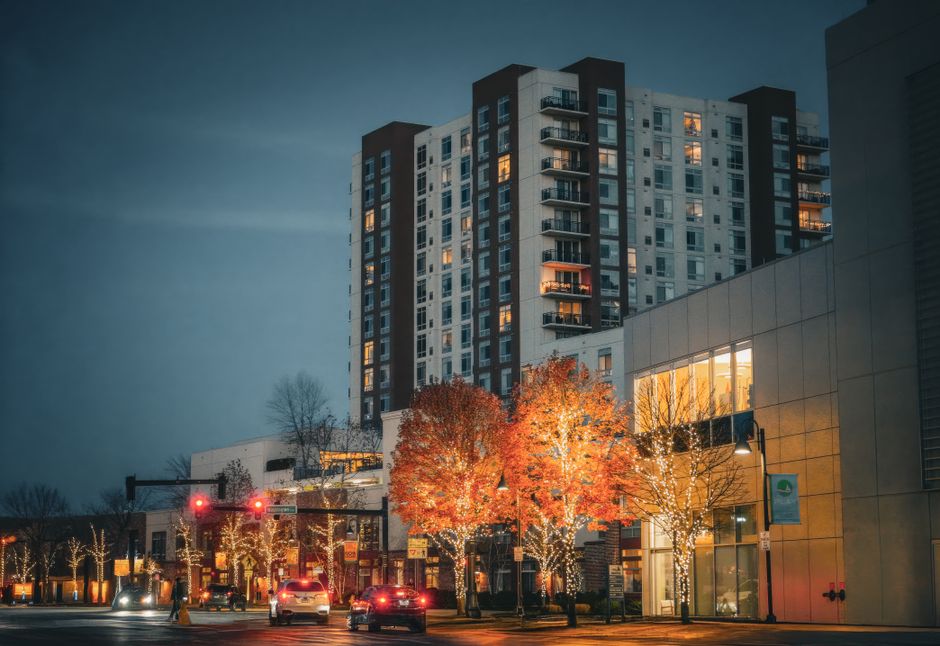
I rolled into Charlotte on a Thursday afternoon expecting another sprawling Southern city where you need a car to buy coffee. What I found was more interesting than that. The city's not without its rough edges or traffic problems, but there are a handful of neighborhoods worth staking out for a few nights that actually have something resembling a character.
The Airbnb game here is different from, say, Asheville or Charleston. You're not paying peak-season prices, and you don't have to choose between a historic neighborhood with zero nightlife or a downtown corridor that dies at 9 p.m. That said, not all of Charlotte's neighborhoods are created equal for short-term stays. Location matters, and I've spent enough time walking these streets after sunset to have opinions about which ones feel like real places to inhabit versus which ones just feel like you're passing through.
Plaza Midwood: Where Young Charlotte Actually Hangs Out
Plaza Midwood is the neighborhood most travelers should probably start with. It's the closest thing Charlotte has to a real urban quarter—tree-lined streets, independent restaurants and bars, actual foot traffic past 8 p.m. The core retail strip runs along Central Avenue, and while it's more accessible than romantic, it gets the job done.
Walkability here is solid. You can get groceries, coffee, dinner, and drinks without a car. The bar scene leans craft cocktail and beer-focused, which is fine if that's your thing; it skews younger and can feel a bit precious on weekends. Nighttime safety is generally fine on the main drags and one block over, though like any urban neighborhood, you keep your wits about you. The quieter residential blocks two or three streets away from Central are peaceful enough for sleeping.
Nightly Airbnb rates run $90–$150 for a decent one-bedroom or studio, higher if you're booking near the main strip or during special events. It's the most expensive of the walkable neighborhoods I'd recommend, but you're paying for actual things to do within a ten-minute walk.

South End: The Newer Play, Louder Vibe
South End feels like what Charlotte's trying to become—newer construction, breweries, young professional crowd, weekend energy that borders on party atmosphere. If you want to be where something's actually happening on a Saturday night, this is it. The Stonewall Street corridor has the density and foot traffic.
Walkability is good along the main stretch; quieter the moment you venture a couple blocks away. The neighborhood doesn't have the residential texture of Plaza Midwood—it's more "entertainment zone" than "actual neighborhood"—which matters if you're hoping to just exist quietly during the day. Nightlife is reliable and plentiful. Safety is comparable to Plaza Midwood, though the crowds and bar-close time activity make it feel busier and busier-feeling isn't always the same as safer. Still, plenty of people here every night.
Expect $100–$160 per night. It's newer development, so you're renting newer-construction units, which has its own appeal if you prefer that over character. The trade-off is you're in a neighborhood that was basically invented by developers five years ago, which some people like and others find a little sterile.
NoDa (North Davidson): Artsy and Uneven, but Real
NoDa stands for North Davidson, and it's where Charlotte's creative class actually congregates—galleries, live music, thrift stores, that whole thing. The vibe is bohemian without being a complete costume, and the neighborhood has actual history beneath the newer development.
Walkability is decent on Davidson Street itself and a few blocks in either direction; it thins out quickly. The character is genuine—you'll see genuine corner bars, local artist spots, and the kind of restaurants that feel like they exist because someone wanted to open them, not because a developer told them to. That translates to the Airbnbs too; you're more likely to rent from someone who actually lives in the neighborhood and cares about the space.
Nightlife is real but quieter than South End. There are bars, but they're less about high volume and more about actual beer or live music. Late-night safety is fine on main streets; I wouldn't wander five blocks into residential areas alone after midnight without reason. That's not a dire warning—just the normal city sense. Nightly rates hover around $85–$130, making it the most affordable of the walkable options. You're paying less and getting more neighborhood feel, but you need to be comfortable with uneven sidewalks and the occasional unfinished lot.

Dilworth: Quiet, Tree-Heavy, Less Action
If you want walkability without the scene, Dilworth is worth considering. It's Charlotte's oldest surviving suburb—tree-lined streets, single-family homes, coffee shops and a few good restaurants scattered throughout. It's where you go if you want to live like someone actually lives in Charlotte, not visit like a tourist.
You can walk for coffee and groceries and decent meals. There's a real neighborhood feel—you see the same people, there's actual street activity. But there's no nightlife to speak of. A few bars exist, but nothing happens at them. If your idea of an evening is reading on a porch or catching up on work, Dilworth's excellent. If you're hoping to go out most nights, it's not the move.
Nightly rates run $75–$110, the cheapest of my recommendations. Safety is solid; the neighborhood has a residential, well-maintained feel. The main trade-off is that you're somewhat removed from the parts of Charlotte where things actually happen. Walkability is good, but there's not much to walk to after 7 p.m.
Uptown: Convenient but Impersonal
I'm including Uptown mainly to tell you not to book here unless you have no other choice. It's downtown Charlotte, technically walkable, technically safe during the day and reasonably safe at night with the usual urban caution. But Uptown is all office towers, hotels, and corporate restaurants. An Airbnb here feels like you're living in an airport terminal.
The foot traffic is business-hours traffic. The bars are expensive and forgettable. The few restaurants are chains or expensive independent places that don't have much personality. You can walk places, but nowhere worth walking to unless you're attending a specific event at the arena or convention center.
Rates are comparable to South End ($100–$160), sometimes higher. You're paying downtown prices for a neighborhood that has no neighborhood. The only reason to stay here is if you have a specific reason to be downtown constantly—a conference, a family obligation, work meetings. For any other kind of trip, pick somewhere else.

Logistics and General Notes
Parking is free on most Charlotte streets, though it varies by neighborhood—check when you're booking. You'll want a car for most of Charlotte; don't book an Airbnb thinking you can Uber everywhere. The few neighborhoods I've mentioned are the exception, and even then, a car is useful.
Weather: Charlotte's humid in summer, which matters if you're traveling June through August. Spring and fall are genuinely excellent. Winter's mild but sometimes damp.
Booking window: This isn't peak-price territory like Asheville. You can often find decent rates three to four weeks out. Weekends run higher than weekdays, but not by the insane margins you see elsewhere. If you're flexible, mid-week stays will save you money without sacrificing neighborhood choice.
The real question is what you actually want to do. Plaza Midwood and South End offer the most reliable nightlife and walkable dining. NoDa gives you the most character and the best price. Dilworth is the cleanest choice if you want quiet and civilization without wanting to be around other tourists. Uptown is fine if you have a specific reason to be there, but otherwise it's a waste of your Airbnb budget. Make your choice based on what you came to Charlotte to do, not based on what sounds best on paper.



