
I came to Fresno expecting the usual Central Valley pit stop—maybe some chain restaurants and not much else. But I made the mistake of actually staying for three days, which is how I ended up walking the wrong way out of my hotel and stumbling into a version of the city that most people driving through never see.
Fresno has a reputation problem. It's the middle of California's agricultural corridor, sprawling and car-dependent, easy to write off. But once you stop treating it like something to get through and actually poke around the neighborhoods, you realize there's real character here—the kind that doesn't announce itself loudly. These are the spots I found worth your time.
Forestiere Underground Gardens: The Weirdest Thing You'll See in Central Valley
This is the kind of place that makes you question whether you read the description correctly. An Italian immigrant named Baldassare Forestiere spent decades—and I mean *decades*—hand-digging an underground network of tunnels, rooms, and courtyards beneath the streets of Fresno starting in 1906. You go down 60 feet into what amounts to an underground palace that he basically willed into existence using a pickaxe and the kind of stubborn determination that makes you tired just thinking about it.
The guided tours are the only way to see it, and honestly, they should be. Your guide will take you through sitting rooms, bedrooms, a kitchen that never gets above ground temperature, and a small shrine. There are skylights he dug up through the street level so plants could grow underground. It's genuinely bizarre and low-key beautiful in a way that's hard to explain until you're standing in a 110-year-old tunnel hewn out of clay and silt.
Tourists absolutely come here, but not *many* tourists, and you'll understand why it's not packed—it's not an obvious photo stop. It's a commitment. You're investing an hour or more, and you're going deep into the earth in a place that was built on faith and excavation. It's exactly the kind of thing that makes you feel like you actually traveled somewhere instead of just hitting checkmarks on an itinerary.

Kearney Park and the Kearney Mansion: Where Fresno's Old Money Lives in Quiet
Head southeast and you'll find a part of Fresno that feels genuinely removed from the commercial sprawl. Kearney Park is built around the Kearney Mansion, which was the home of Martin Theodore Kearney, one of California's big raisin magnates back when that meant something. The mansion itself is a museum, and yes, you can tour it, but what surprised me was how livable the grounds feel. There's an actual sense of landscape here—oak trees, open space, pathways that don't have a gift shop at the end of them.
The mansion tour gives you solid context for understanding Fresno's agricultural wealth and how that translated into infrastructure and property. But the real gift is just walking the park afterward. It's maintained without being sterile. You'll see people actually using it—locals walking dogs, families picnicking, nobody performing for Instagram. The admission is reasonable, and the house staff knows their material without being stuffy about it.
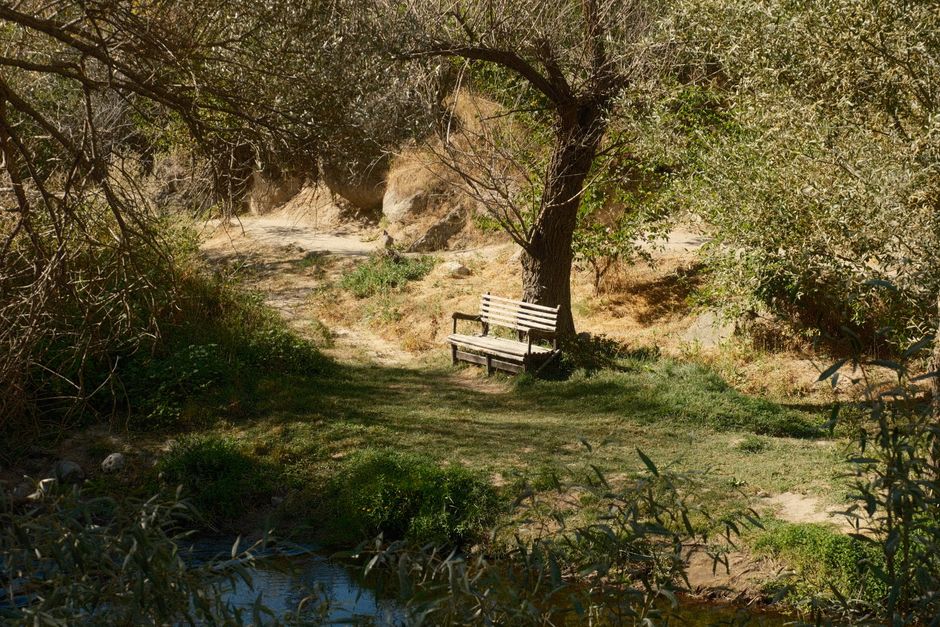
On hot days (and they are hot), the trees provide actual relief. I sat on a bench near the oaks and actually read a book for two hours, which I never do on trips. That's the measure of how removed it feels from downtown's hum.
Fresno Art Museum: Smaller Than You'd Expect, Better Than You'd Assume
Don't go to the Fresno Art Museum expecting a world-class collection that competes with SF or LA. Go because it's an honest museum in a town that isn't overflowing with them, and because they don't pretend to be something they're not. The permanent collection centers on California artists and Chicano art, and there's a specific point of view that comes through—not apology, but clarity about what the museum actually is and who it serves.
I spent maybe 90 minutes there, and I wasn't bored. The staff is helpful without hovering. The building itself is clean and walkable. They rotate shows, so what you see depends on when you visit, but the baseline is solid. The gift shop stocks actual local work, not just postcards of the collection. And the café is fine—nothing fancy, but it's real.
It's the kind of museum that makes sense to add to your Fresno time if you're there for a day or two, not the kind that justifies a trip on its own. But that's being fair to both the museum and to you. It doesn't overpromise.
The Historic Tower District: Actually Historic, Actually Local
There's a stretch along Olive Avenue where Fresno actually looks like a place where people built something intentional. The Tower District—named for the old water tower that's still there—has brick buildings from the early 1900s, independent shops, restaurants that aren't chains, and the kind of walkability that makes you realize how much of the rest of Fresno is designed for cars.
I grabbed coffee at one of the local roasters and watched the neighborhood wake up on a weekday morning. There's a theater, some vintage shops, bookstores, enough small restaurants to actually suggest a food culture. It's not precious about being historic, and it's not been fully gentrified into irrelevance either. People actually live and work here.
Walk it at a normal pace. Stop in places that look interesting. This is where locals spend time when they're not at work or home, and that's always the telling detail about a neighborhood. The tower itself is viewable from the street, and the district hosts a farmers market. Nothing groundbreaking, but everything authentic.
Shinzen Japanese Garden: Quiet to the Point of Suspicion
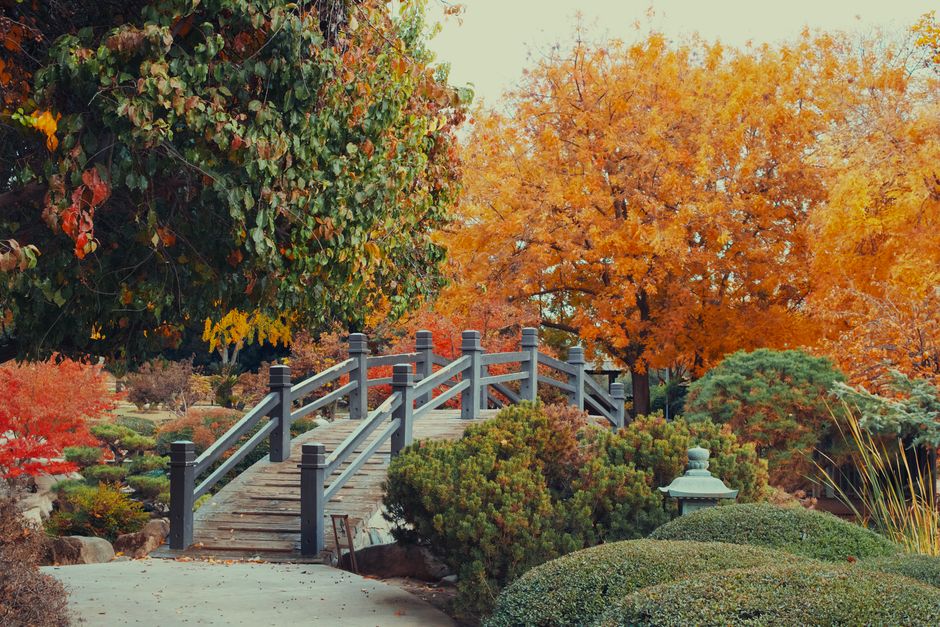
On the campus of Fresno State, there's a Japanese garden that barely anyone seems to know about. I walked in expecting a small university project and instead found myself in a genuinely serene space that took about 45 minutes to properly walk through. It's maintained beautifully, there are benches, and—this is key—there are almost never crowds.
I showed up mid-afternoon on a weekday and had it mostly to myself. There's a small entry fee, and the gate is easy to miss if you're driving. The garden is built around water features, pathways that make you slow down naturally, and plantings that change seasonally. It's not huge, but it's designed well enough that it doesn't feel small.
This is the kind of place where you can sit for 20 minutes without feeling watched or weird. The campus setting means it has actual maintenance and care behind it, not the patchy upkeep of some public gardens. If you need to reset during your Fresno time, this is where you do it.
Fulton Street Between Shaw and McKenzie: Just Walk It
This isn't a destination exactly. It's a corridor in the central part of the city where small businesses have held on—Vietnamese restaurants, Mexican groceries, vintage shops, barbershops that have clearly been there for decades. The storefronts aren't restored or curated. They're just operating, often in older buildings that haven't been trendy-fied.
I walked it twice because the first time I was moving too fast. The second time I stopped for lunch at a place I couldn't have found online, just a sign in Vietnamese and Spanish. The food was direct and real. The owner didn't act surprised to see me. That's the experience—you're not a tourist attraction, you're just another person eating.
This is what a city actually is when you step away from the areas that have been decided for you. It's not perfect or Instagram-ready, but it's functional and lived-in. That matters.
The Practical Reality of Fresno
All of this is to say: Fresno doesn't perform. It doesn't have skylines or waterfronts. It's not beautiful in the obvious way. It's hot, it's sprawling, and yes, the air quality matters depending on the season. But if you're willing to slow down and actually look—really look—there's a city here with specific history, specific culture, and specific people who've made it their home. You won't feel like you conquered Fresno in a long weekend. You might feel like you actually understood a small part of it, which is better.
Bring water. Bring sunscreen. Drive or plan routes carefully—it's not a walking city in the traditional sense, though the Tower District and the park areas offer walkability in pieces. And skip the expectation that Fresno is going to deliver the experience you could get anywhere else. It won't. That's the point.



