I showed up in Memphis on a Wednesday afternoon with the usual plan: Graceland, Beale Street, maybe the Civil Rights Museum. Standard tourist homework. But after three days of walking those routes, I realized I was moving through a Memphis that didn't feel like Memphis at all—just a overlay of what visitors expect to find. So I stopped following the map and started following the neighborhoods.
That's when the city actually opened up. Not in some precious "hidden gem" way. Just in the way a place does when you're willing to get genuinely lost and sit with what you actually find. What follows is what I stumbled into. Some of it is small. Some of it is quiet. All of it felt more true to the city than anything I could've bought a ticket to.
Shelby Farms Park: Where Memphis Exhales
Most people I talked to had never heard of it. That's the whole story, really. Shelby Farms is a 4,500-acre park east of downtown—big enough that you can spend a full afternoon there and never feel crowded, which in Memphis in summer is worth its weight in something.
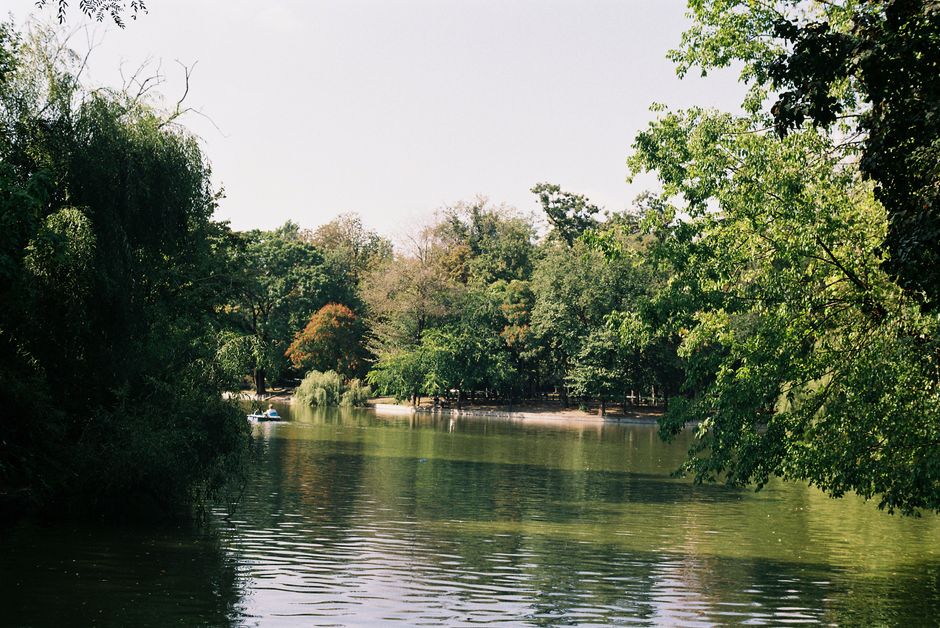
I rented a bike from the pavilion near the entrance and spent two hours on the trails. The lake is there. The paddleboat rentals are there if you want them. But the real draw is the sheer space to move without purpose. I watched people fishing off the dam, families scattered across the green in small clusters, a guy sitting alone on a bench reading a paperback. It's where Memphians actually go when they want air and quiet, not where tourists are herded.
The park has an animal sanctuary too, if you're into that. I skipped it. But the trails themselves—really well-maintained, easy to navigate—are enough.

The Memphis Brooks Museum of Art (and the Garden Around It)
This one caught me off-guard because I assumed it would be a small regional museum, the kind where you walk through six rooms in forty minutes. It isn't. The collection is real—real paintings, real depth, actual work happening. And it's free, which Memphis does right.
But here's what mattered more than the galleries: the grounds. The Brooks sits in Overton Park, and the museum garden is the kind of place that makes you understand why someone wanted to build a city here. Quiet, layered plantings, benches actually positioned so you can sit and think. I spent longer in the garden than in the building, which feels like the intended secret.
The museum itself gets maybe a fraction of the foot traffic that Graceland pulls. That means when you're in there, you can actually stand in front of something for as long as you want without someone's shoulder bumping you. The light comes through real windows. It's a functioning museum, not a monument to tourists.
Cooper-Young District: Where the City Experiments
This neighborhood—basically the blocks around Young Avenue between Cooper and Morrison—is where people who actually live in Memphis go to eat, shop, and spend money. It's gentrifying, sure, and you'll see the signs of it. But it hasn't calcified yet into a theme park version of itself.
I had lunch at a place that changes its menu based on what's available. Walked into a bookstore and actually talked to the owner about what she stocks. Bought coffee from a roaster who was genuinely particular about their sourcing. These aren't experiences designed for tourists—they're just what happens when you have a neighborhood where people have decided to stay and build something.
The street itself is walkable in a way that matters. You can see into spaces. There's activity in the middle of the day on a weekday, which Memphis's downtown doesn't always manage. If you want to understand how a city moves and what it values, spend an afternoon wandering here.
South Main Historic District: The Memphis That's Still Figuring Itself Out
South Main is undergoing one of those slow urban transformations where you can still see both versions of the place at once—the Memphis that was, and the Memphis someone is betting on. It's neither fully abandoned nor fully claimed.
I spent an hour just walking the blocks, looking at the converted loft buildings, the murals, the coffee shop in what used to be something else. Some storefronts are empty. Some are genuinely interesting. A vintage shop here, a gallery there, spaces that feel like experiments rather than established destinations. That unfinished quality is exactly what makes it worth seeing. You're watching a neighborhood make decisions in real-time.
The Scale & Shell, if you want food, is the kind of old diner that hasn't repositioned itself for tourists—it just exists, serves breakfast and lunch, doesn't advertise much. That's the vibe down there. You have to want to be there. Once you do, it reveals itself.
The Mississippi River Greenbelt and Mud Island
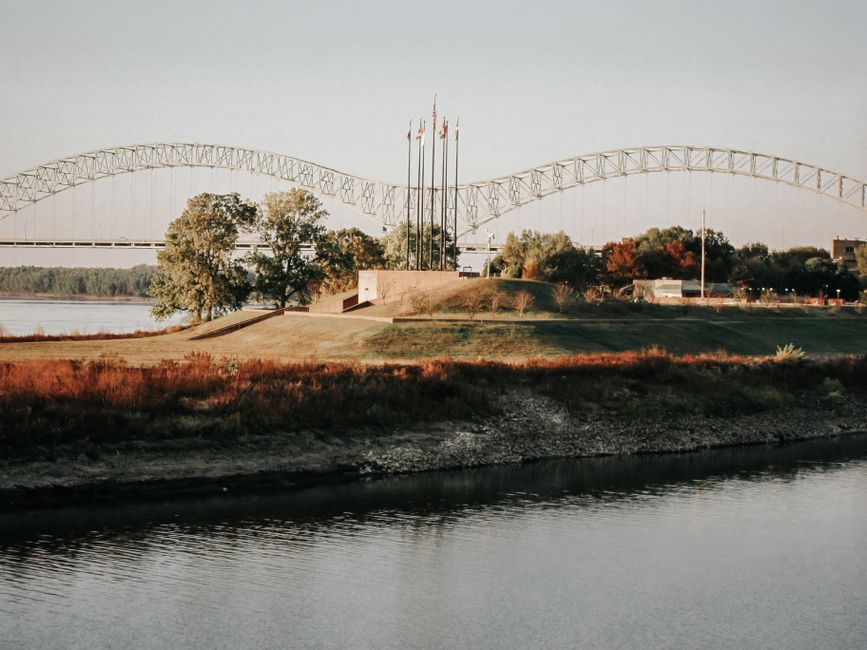
I took the monorail to Mud Island because I was curious and had an hour to kill. The whole setup feels frozen in 1990s Memphis—the monorail especially, which is either charming or slightly eerie depending on your mood. But the island itself, particularly the greenbelt that runs along it, is where you actually see the river. Not framed for a photograph. Just the water, the scale of it, the current moving.
Mud Island has a scale model of the Mississippi that runs for five blocks—it's odd and specific and apparently beloved by a very dedicated subset of visitors. I walked it once, more out of completeness than genuine interest. But the actual greenbelt beyond that, the path along the real river, is where Memphis's geography makes sense. You understand why the city is where it is. You see the barge traffic. You feel the river's mass.
There's a small amphitheater down there too, occasionally hosting performances. Mostly it's empty, which means you can sit on the steps and just look at water and industrial landscape, which is its own kind of show.
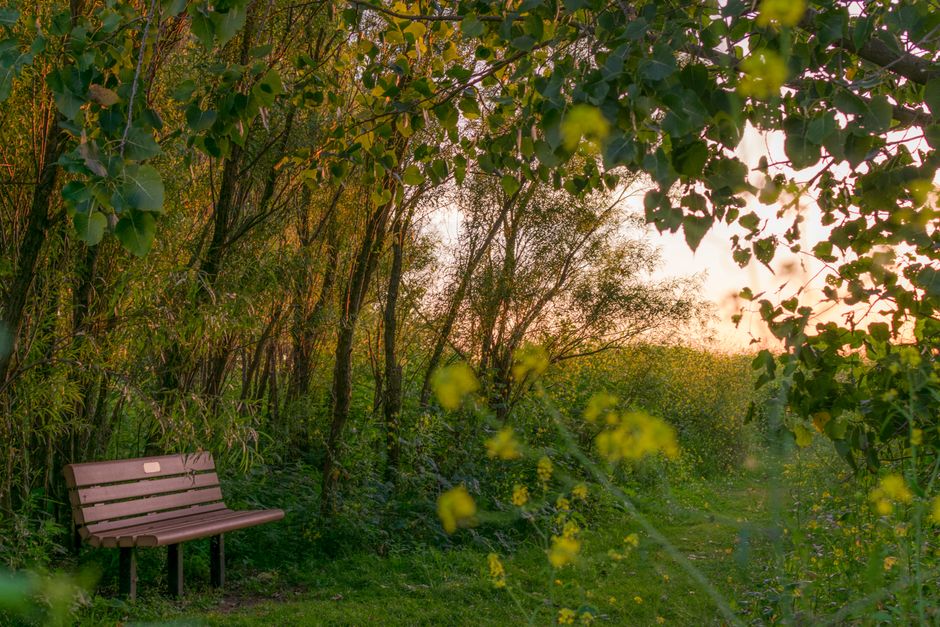
Dixon Gallery and Gardens
Another art space—I get it, I went to two. But this one is in a house in a neighborhood, which changes how it feels. Dixon is an old mansion filled with real art, surrounded by actual gardens, operated with the kind of care that suggests someone genuinely loves it rather than maintains it by mandate.
The collection is small enough to absorb in a couple of hours. The house itself is worth seeing—the bones of how Memphis's money lived, which tells you something about the city's history without needing someone to explain it. The gardens are maintained, thoughtfully, in ways that make you want to sit down.
What stuck with me was the quietness. I was literally alone in some of the rooms. That's not common in tourist cities, and it changes how you experience art. You can think. You can look as long as you want. The experience doesn't feel like consumption.
Why This Matters
Memphis's tourist economy is built on specific things: Elvis, Beale Street, the Civil Rights story. Those things are real and worth engaging with. But if that's all you see, you're missing what makes the place an actual city where actual people live.
The spots I spent time in aren't secret, exactly. They're just not packaged. They don't charge admission or have marketing budgets or tours scheduled. That's the difference. A hidden gem usually just means something that hasn't been optimized yet for transient attention. Once you understand that, a city opens up. Memphis did, for me, once I quit looking for what I was supposed to find and started paying attention to what was actually there.