
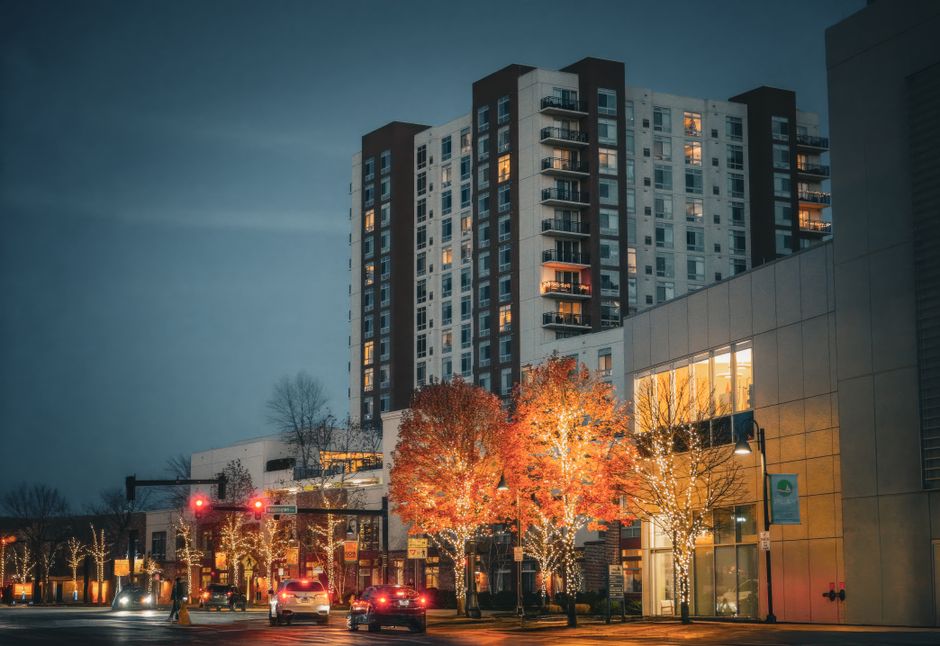
I landed in Memphis on a Thursday evening with no real plan beyond "figure out where to actually stay." I'd done the usual Google search—Downtown looked glitzy in photos, Midtown had that artsy reputation—but I wanted to know which neighborhoods I could actually walk around at night without feeling like I was making a mistake. After a week of moving between a couple of Airbnbs and walking these streets myself, I've got a clearer picture of where solo travelers and small groups actually end up being comfortable, and where your money stretches furthest without sacrificing the ability to leave your door and find something interesting.
Memphis neighborhoods aren't dramatically different from each other the way Brooklyn differs from Staten Island, but there are real distinctions in pace, foot traffic, and what kind of evening you're signing up for. The city's also still affordable enough that you can afford to be choosy.
Midtown: The Safe Bet for Activity and Walkability
Midtown is where most short-term visitors end up, and for good reason. It's centered roughly around Madison Avenue and Cooper Young Avenue, and it's the only neighborhood in Memphis that feels genuinely walkable in the evening without overthinking it. You've got bars, restaurants, record shops, galleries, and enough foot traffic that you're not the only person outside after dark.
The neighborhood leans younger—lots of students, creative types, people who deliberately moved here instead of leaving. Cooper-Young Avenue itself is legitimately worth a walk. There's a brewpub, a taco place that actually knows what it's doing, vintage furniture shops, and a bookstore. The Memphis College of Art campus is here, which contributes to the energy without making it feel like a college town in the bad way.
Airbnbs in Midtown typically run $80–$150 a night depending on the season and whether you're getting a whole apartment or a room. Safety-wise, you're fine. Nightlife exists but it's not aggressive—you can have a quiet evening if you want one, or you can find a bar. The main downside is that it can feel a bit insular. If you're here for the Mississippi River or the soul of old Memphis, you're staying in a neighborhood that's sometimes more concerned with its own story than the city's.

Downtown: Quieter Than You'd Think, Sprucing Up
Downtown Memphis has been in semi-recovery mode for years, and an Airbnb here feels like you're betting on the city's future in a way that's either optimistic or awkward depending on your mood. The good news: it's genuinely walkable now in stretches. Beale Street is the obvious anchor—live music everywhere, crowded, loud, tourists everywhere. But if you stay even a few blocks off Beale, you get quiet residential blocks, newer restaurants, and a genuine sense that things are shifting.
You're close to everything: the Mississippi River (actually worth seeing), the Rock and Soul Museum, the Peabody (where they do the duck march at 11 a.m., which is as silly and charming as it sounds). The Bluff City neighborhood, which has upscale apartments and a growing food scene, borders Downtown proper.
Nightly rates downtown cluster around $70–$140. It's probably the best value in the city if you're willing to accept that some blocks still feel empty and some buildings are half-vacant. Safety is fine—I walked around at night without incident—but the emptiness of some stretches can feel isolating rather than peaceful. You're not in danger, but you might feel like you're the only person outside.
Cooper-Young: If You Actually Like Neighborhoods (Not Just Nightlife)
Cooper Young is technically part of Midtown but distinct enough to deserve its own section. It's the intersection of Cooper Avenue and Young Avenue, and it's become the hub for Memphis's creative community in a way that doesn't feel forced or self-conscious. You've got vintage shops, coffee places, galleries, and restaurants that range from casual to genuinely good.
The neighborhood has the advantage of being walkable and active without feeling like you're in someone's carefully branded district. A lot of the shops and restaurants are actually owned by people who live here, which matters more than it sounds. There's a jazz bar, a comedy venue, decent cocktail places, but the dominant vibe is daytime wandering, eating, looking at art, buying old books. If nightlife to you means 2 a.m. dancing, you're in the wrong spot. If it means a good dinner and drinks within walking distance, you're in the right one.
Airbnbs run $85–$155 a night. The neighborhood is safe, populated enough that walking at night feels normal, quiet enough that you can actually sleep. The main limitation: there's not a ton of accommodation options compared to Midtown proper. You'll be searching more carefully, but that's partly because fewer Airbnbs means fewer transients and more residents, which keeps the neighborhood from feeling like a hotel zone.

South Memphis: Worth It If You Know What You're Getting
South Memphis—particularly around Vance and the areas running toward Sun Studio—is cheaper ($55–$100 a night) and has real character if you're interested in actual Memphis history rather than curated Memphis aesthetics. This is where a lot of the city's most important music history happened. Sun Studio is here. So is Graceland, if that's your thing. You're in the neighborhood where a lot of the musicians who created Memphis sound actually lived and worked.
The trade-offs are real. The neighborhood is less walkable than Midtown; you'll want a rental car or be comfortable with rideshares. It's not unsafe, but it's not retail-district-safe in the way Downtown and Midtown are. Evening walks are less obviously comfortable. If you're the type of traveler who wants to walk out of your Airbnb and immediately find a coffee shop, this isn't it. If you're here specifically for music history, Sun Studio, or Graceland, and you don't mind being car-dependent, you'll appreciate both the lower costs and the authenticity.
Booking here means accepting that you're in a working neighborhood, not a tourist zone. Which, for some people, is exactly the point.
Harbor Town and Mud Island: For a Quieter, More Spacious Stay
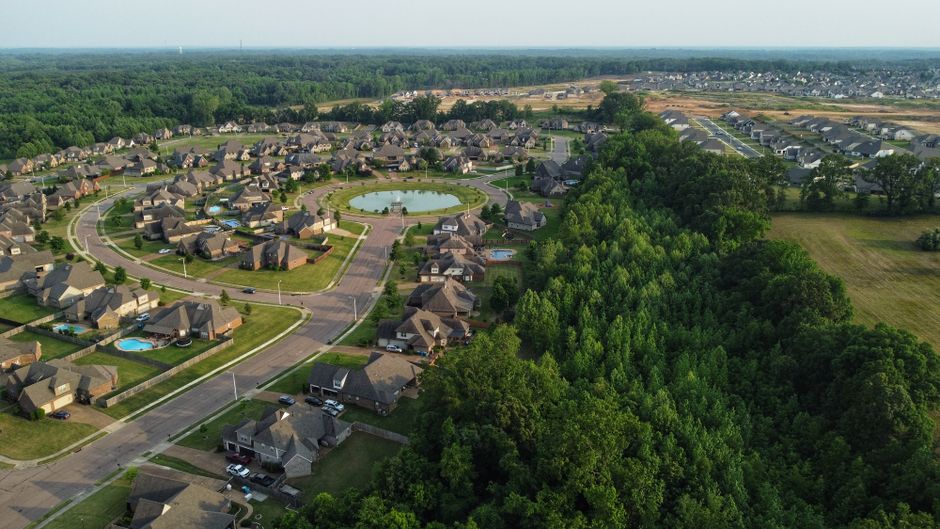
Harbor Town is on a peninsula west of Downtown, and it's almost a separate city from Memphis—quieter, more residential, more expensive, and genuinely walkable along the waterfront. If you want your Airbnb to feel like an actual retreat rather than a home base for exploring, this is the neighborhood. There are a couple of restaurants, a small grocery, river parks. You're isolated in a way that can feel either peaceful or boring depending on what you came for.
Airbnbs here are typically $120–$180. You'll need a car to get anywhere meaningful, so it's better suited to people staying longer (3+ nights) who want space and quiet over walkable exploration. Mud Island, which has a river museum and some residential areas, is similarly positioned—more peaceful, further from the action, more car-dependent.
These neighborhoods make sense if you're working remotely or if you came to Memphis specifically for rest rather than immersion. They're safe, quiet, and spacious. But they're not where the city's energy lives.
A Few Practical Notes on Booking and Getting Around
Memphis is compact enough that you're never more than 15 minutes by car from anything, which means your Airbnb choice is more about vibe and walkability than access. If you rent a car, stay anywhere. If you don't, stick to Midtown, Downtown, or Cooper-Young. The bus system exists but isn't frequent enough to be your primary transit.
Book earlier rather than later during festival season (Memphis in May, Beale Street Music Festival). Summers are humid and crowded. Fall and spring are sweet spots. Winter is mild and quieter.
The Airbnb market here isn't as saturated as in other cities, which means there's a decent selection but less pure volume. You might not get your first choice, which means having a backup neighborhood in mind is worthwhile. Most listings are legitimate; the scam rate is lower than in bigger cities.
The Bottom Line
Pick Midtown or Cooper-Young if you want to walk around easily and don't want to overthink it. Pick Downtown if you want river views and you're comfortable with some emptiness. Pick South Memphis if you're here for music history and don't mind the lower walkability. Pick Harbor Town if you want quiet and space over exploration.
Memphis isn't trying to trick you with neighborhoods that are better than they seem. What you see is what you get. The city doesn't have a neighborhood that's dangerous-but-worth-it or edgy-but-actually-thriving in that familiar urban way. It has decent neighborhoods that are honest about their character, which is refreshing. Pick the one that matches what you actually came to do, and you'll be fine.



