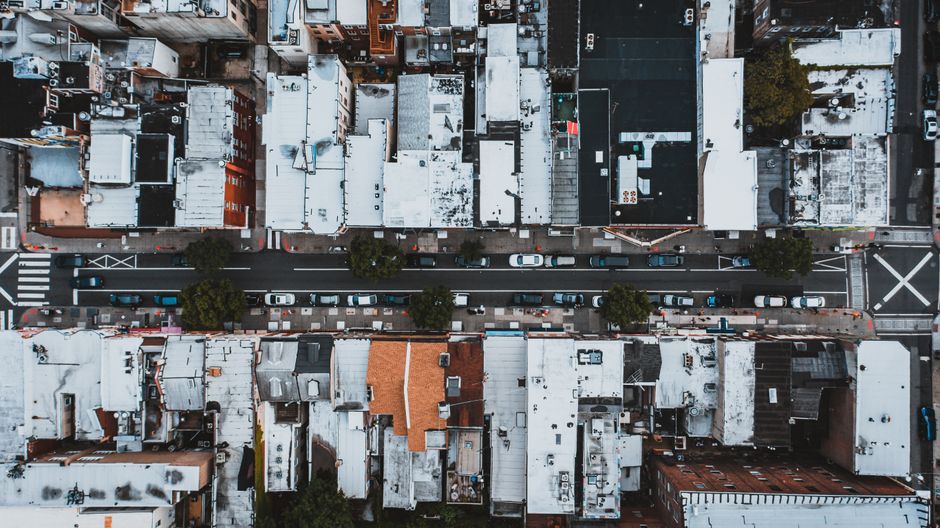
I rolled into Omaha on a Friday afternoon expecting the standard Midwest checklist: Old Market, Henry Doorly Zoo, maybe a steak dinner. But after my first walk around downtown, I realized the real city wasn't on any postcard. The tourists were all in the same three blocks, and everything interesting seemed to radiate outward from there. So I spent the next few days doing what I always do when a place disappoints at first glance—I got lost on purpose.
What I found was a city that makes more sense the farther you walk from the visitor center. Omaha isn't trying to be cool or Instagram-friendly. It's just a working Midwestern town with tree-lined blocks, intact neighborhoods, and spots that locals actually use instead of just showing up for. Most of these places are fifteen or twenty minutes from downtown. None of them charge admission. All of them beat the standard tourist trap by a mile.
Lauritzen Gardens: The Actual Quiet Spot
Everyone talks about the zoo. Nobody talks about Lauritzen Gardens, which is maybe twenty minutes south of downtown and operates like a secret. It's thirty acres of botanical gardens—rose garden, Japanese garden, arboretum, the whole thing—and on a weekday morning I had entire sections to myself.
The Japanese garden is the real draw. It's small enough to walk through in thirty minutes but designed so well that you don't want to rush. Stone lanterns, water features, a bridge that actually photographs well if you're into that. The rose garden blooms late spring through early fall, and the staff clearly cares about the place. Admission is around fifteen dollars, which seems cheap for three hours of actual peace.
Parking is easy. The paths are smooth. There's a cafe if you need coffee, but I didn't see anybody camping out there like you'd expect at a tourist spot. Just people actually interested in gardens.
Benson: The Neighborhood Nobody Mentions
Benson is northwest, a fifteen-minute drive from downtown, and it's the kind of residential area that doesn't appear in tour guides because nothing flashy happens there. But that's exactly why it works. Maple and Military Avenue are the main drags, and they're lined with local restaurants, vintage shops, and the kind of businesses that have been there long enough to stop trying.
I grabbed lunch at one of the taco spots and then spent an hour browsing used bookstores and coffee shops. Lot of young families, artists, people who moved to Omaha on purpose rather than ending up there. The vibe is post-industrial but not gentrified—nothing feels precious or designed for outsiders. There are murals on the buildings, but they're not "Instagram murals," just people painting what they wanted to paint.
Benson also has a decent music venue if you're there on a weekend, and several bars that don't cater to bachelorette parties. It's the kind of neighborhood where you can actually see how people live, which beats a manufactured tourist experience every time.
Riverfronts South Overlook: The View That Works
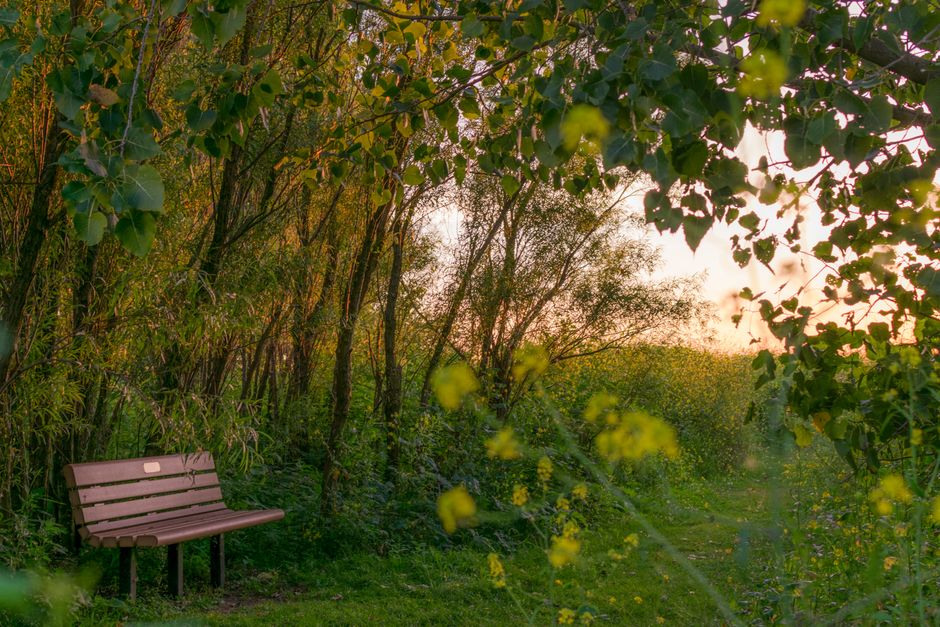
Most people know about the Bob Kerrey Pedestrian Bridge, which crosses to Council Bluffs and is fine if you like walking alongside heavy foot traffic. I found Riverfronts South Overlook by accident—it's a small park area south of downtown with benches, trees, and a genuine vantage point over the Missouri River. Not crowded. Not charged. Not mentioned on most websites.
It's useful if you want to actually sit and look at something instead of posing for pictures. The river moves fast here, and on a clear day you can see far enough to understand why the river mattered historically. There's no concession stand, no gift shop, no plaques telling you what to think. Just a decent vista and some space to breathe.
I went late afternoon when the light was good, and I was the only person there. That's the kind of thing that tells you something about a place—when the real views sit empty while people queue up for the manufactured ones.
The Durham Museum: Small But Sharp
The Durham Museum is in the old Union Station building downtown, and while that's technically on the tourist radar, most people rush through it or skip it entirely for the zoo. I spent a solid two hours there and could've spent more. It's a local-history museum done right—not trying to compete with big institutions, just doing deep work on Omaha specifically.
Railroad history, Native history, settlement patterns, building architecture. The museum is arranged by theme rather than chronology, which means you're connecting ideas instead of just walking through time. The staff actually knows the collection and seems happy when someone asks a real question. Admission is cheap, and the building itself—the restored station—is worth the walk-through.
On a rainy day or when you want something slower-paced than a zoo, this hits different. It's the kind of museum that makes you understand a place better rather than just giving you something to check off a list.
Memorial Park: Where Locals Actually Go
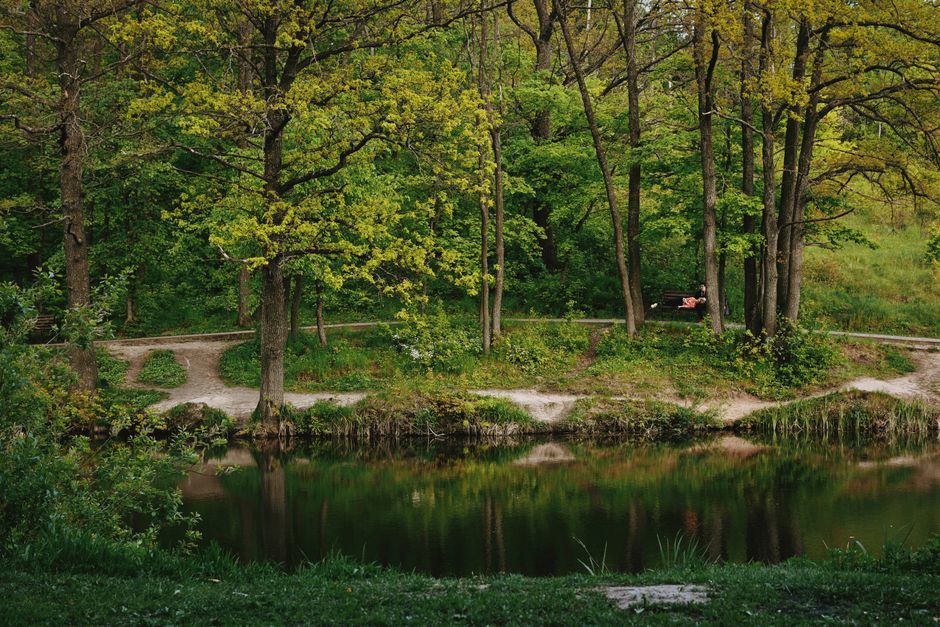
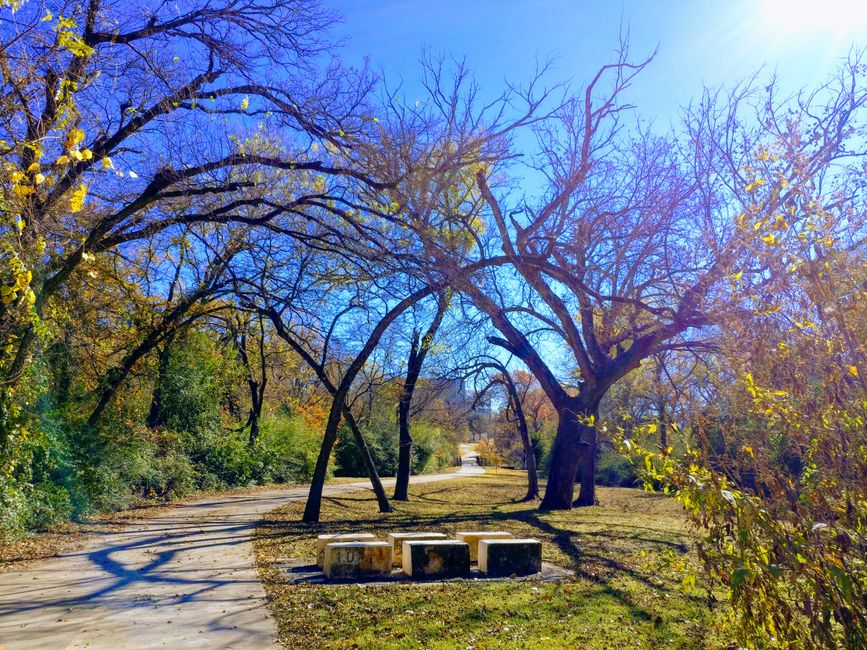
Memorial Park is west of downtown, maybe ten minutes, and it's the park that shows you how Omaha residents actually spend free time. Not a manicured tourist park—a real neighborhood green space with a mix of families, people running, teenagers hanging out, all the normal uses.
It's bigger than you'd expect, with walking paths, open fields, some tree cover. There's a pool in summer, which drives family traffic. The surrounding blocks are residential and interesting—older homes, tree-lined streets, the kind of Midwestern architecture that builds character over decades. If you walk the park and then wander the neighboring streets, you get a real feel for how the city functions when tourists aren't around.
I sat on a bench for twenty minutes watching people use the space. Kids on skateboards, an older couple walking slowly, someone practicing frisbee throws. Nothing spectacular. Just real.
Blackstone District: The Emerging Part Everyone's Ignoring
Blackstone is southeast of downtown, roughly ten minutes away, and it's in that transition phase where it's becoming more interesting but hasn't tipped into full gentrification yet. Some new development, some old buildings being restored, some businesses thriving and others closing. That in-between state is actually the most honest version of a neighborhood.
There are shops and restaurants clustered along Blackstone Avenue. A bookstore that specializes in used and local titles. Several good coffee spots. A few bars that don't feel like they're performing for a specific demographic. The brick buildings are old enough to feel real without being so polished they lose character.
What made Blackstone interesting to me was that it didn't feel like a place marketing its own authenticity. The businesses seemed like they were just there because the location and rent made sense, not because they were trying to build a "cool neighborhood brand." That's rarer than you'd think in American cities right now.
Eat at Local Places, Walk the Side Streets
The real value in Omaha comes from treating it like a place people actually inhabit rather than a collection of attractions. Walk east from downtown toward the Old Market area, but skip the touristy restaurants and find the places where construction workers and office people eat lunch. Walk north into the Dundee neighborhood, which is residential but walkable, and see how the streets are organized and maintained.
Omaha's not going to blow your mind with dramatic scenery or world-class museums. What it offers is accessibility and the chance to see how a Midwestern city actually functions. That's more valuable than you'd think if you're tired of places designed specifically for visitors.
The neighborhoods are walkable, the people are friendly without being pushy about it, and there's enough old architecture to suggest the city has history without plastering it everywhere. Spend a day or two off the main drag, and you'll understand the place better than most people who visit.
Frequently Asked Questions
what is there to do in Omaha besides the zoo
Omaha has several overlooked parks and neighborhoods worth exploring—Lauritzen Gardens for quiet botanical spaces, the Benson neighborhood for local food and shops, Memorial Park for real neighborhood life, and the Blackstone District for emerging restaurants and vintage businesses. The Durham Museum offers deep local history in a restored train station. Most of these require minimal admission or are free.
are there walkable neighborhoods in Omaha
Yes. Benson and Blackstone are both walkable areas with local restaurants, shops, and genuine neighborhood character. Dundee is also tree-lined and accessible on foot. These are residential areas that function as working neighborhoods, not manufactured tourist zones, which makes them more authentic than downtown tourist districts.
what neighborhoods should I visit in Omaha
Benson is known for local restaurants and vintage shops, Blackstone is emerging with new businesses alongside historic buildings, and Dundee offers tree-lined residential streets and a slower pace. These areas reflect how people actually live in Omaha rather than how the city markets itself to tourists.
Which spot would you check out first?