
I landed in Savannah on a Tuesday morning expecting to spend three days doing what everyone else does—wandering through Forsyth Square, eating pralines on River Street, maybe catching a ghost tour if the mood struck. But by afternoon, I'd already hit a wall with crowds and decided to get lost on purpose. What I found wasn't mysterious or undiscovered in any grand sense, but it was genuinely quieter, more rewarding, and the kind of thing you only stumble on if you're willing to leave your phone's GPS on but your expectations loose.
The city has this forgiving layout once you understand it. The squares form a loose grid, and if you just pick a direction and walk, you'll either find water, trees, or locals going about their day. Most visitors cone themselves off to the Historic District's spine—River Street, the cathedral, maybe Bonaventure Cemetery if they're feeling adventurous. But step two blocks sideways from any of those, and the dynamic shifts entirely.
Forsyth Park's Quieter Neighbor: Daffin Park
Everyone sees the fountain at Forsyth Park, buys a photo there, maybe sits on the grass for twenty minutes. What they don't do is walk the extra eight or nine blocks west to Daffin Park, which is larger, actually has shade, and hosts maybe a tenth of the human traffic.
I wandered over one afternoon and found a genuine neighborhood park—families actually using the playgrounds, old guys fishing in the pond, the air full of oak trees instead of the low-level hum of tour groups. There's a small swimming pool complex (seasonal), a decent network of walking paths, and you can sit under the big shelter without feeling like you're part of an Instagram photoshoot. The vibe is entirely local. If you're in Savannah with time to kill and you want to do something real, Daffin isn't far but it requires actual intentionality to find yourself there.
Bonaventure Cemetery, After Hours (Sort Of)
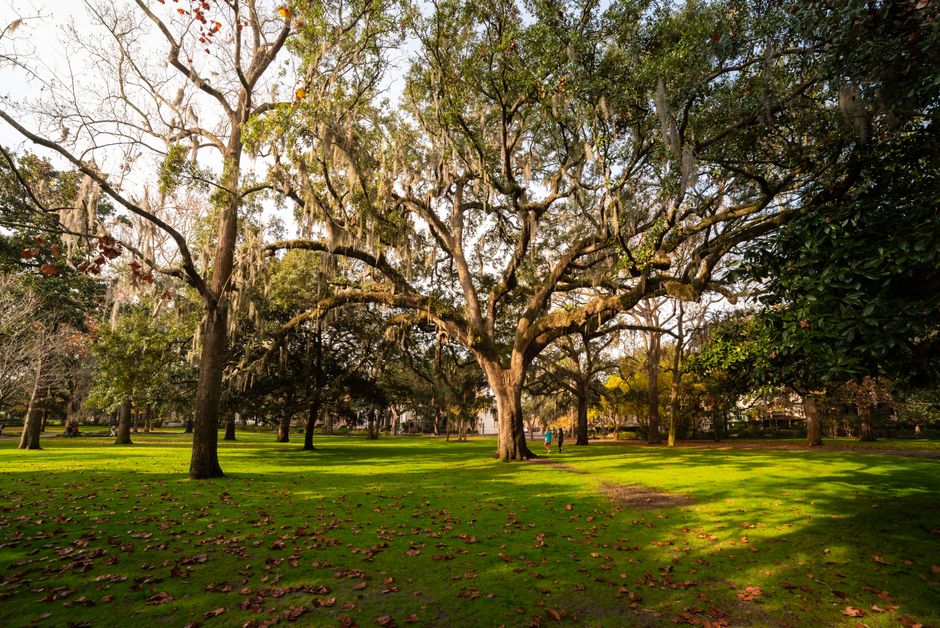
I know, I know—cemeteries aren't typically the move. But Bonaventure sits on a peninsula south of downtown, and people visit for the moss-hung oaks and Civil War history. What most don't realize is that you can get there outside the peak crush of afternoon tourism, and the place transforms into something genuinely meditative.
Go early, like 8 or 9 in the morning. The air is cooler, the light hits the moss differently, and you've got the gravel paths mostly to yourself. There's a small parking area, and the walking loop is maybe three-quarters of a mile. Some of the graves and monuments are legitimately interesting if you take time to read them—old Savannah families, soldiers, people whose whole lives are compressed into three lines of granite. It's not creepy if you're not expecting it to be. It's just quiet.
The Massie Heritage Center and Why It Matters
This one is tucked on Bull Street near the cathedral, and I almost missed it entirely because the storefront doesn't sell anything and there's no exterior signage that screams "museum." But it's a legitimate repository of Savannah history that doesn't cater to the tour-bus crowd.
The staff is small and actually knowledgeable—not scripted, but genuinely interested in talking about the city's past. They have maps, artifacts, photographs, and design elements that show how Savannah was physically built and rebuilt. You learn about the grid system, the squares' actual purposes, why certain neighborhoods developed the way they did. It's the kind of place where forty-five minutes turns into ninety because you actually want to know more. The admission is reasonable, the building itself is historic (a 19th-century schoolhouse), and you'll be the only person in there on most days.
Laurel Grove Cemetery and the Oak Avenue Walk
North of downtown, across what locals call the "wrong side" of the historic core, sits Laurel Grove. It's actually two cemeteries—one for Black residents, one for white residents, a physical manifestation of segregation that the city is slowly documenting and acknowledging. It's a real place, not a tourist attraction, and I mention it specifically because walking through there offers something genuine and sober that the more famous Bonaventure doesn't.
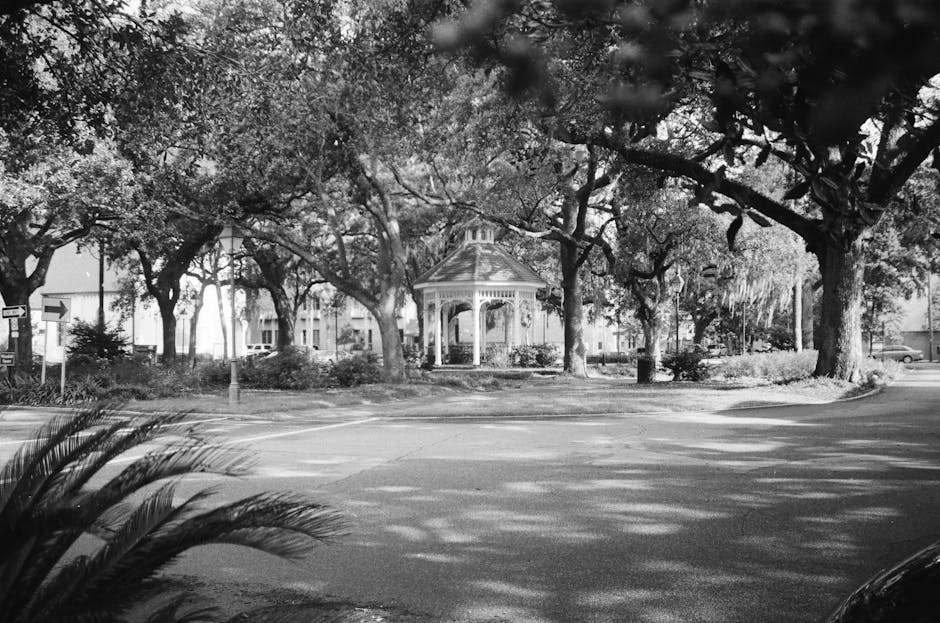
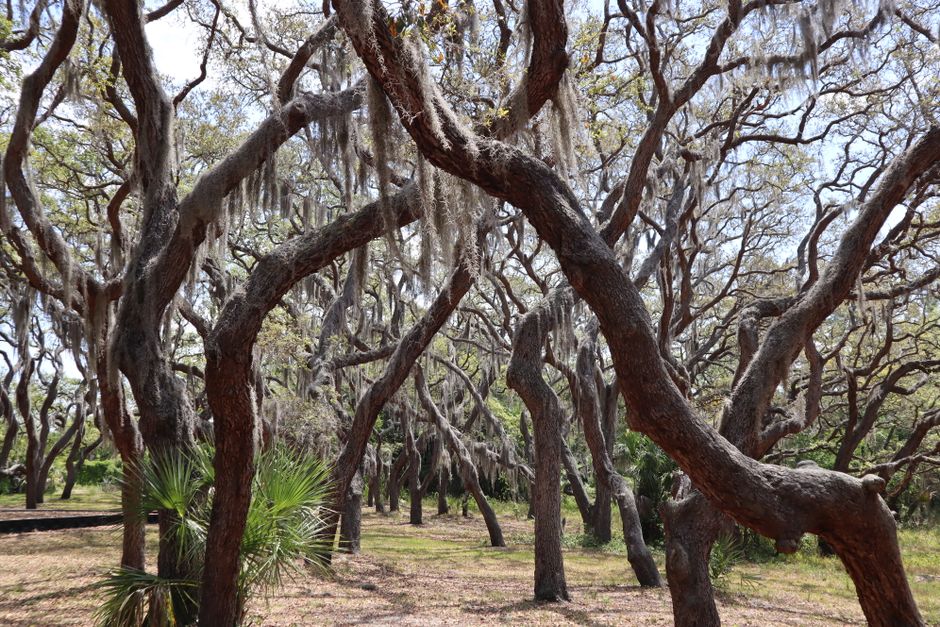
The approach itself is worth the trip. There's an avenue lined with massive live oaks that's legitimately stunning in a way that doesn't feel performed. I walked it on a quiet afternoon and saw maybe three other people the entire time. Some of the graves are simple, some are elaborate, and all of it is human in a way that tourist spots can't quite manage. If you're interested in the actual history of the place—not the sanitized, beautiful version—this is worth half an hour of your time.
The Pin Point Historic District and a Meal at Local Spots
Pin Point is technically outside Savannah proper, but it's where Justice Clarence Thomas grew up, and the historic district preservation area is small, genuine, and almost entirely missed by visitors. It's a drive south from downtown, maybe fifteen minutes, and it's a working waterfront community that's still figuring out how to balance history with actual life.
There's a museum, but the real value is just being there—walking on streets that are mostly empty, seeing the old buildings, understanding how coastal communities in Georgia actually function outside of the tourist economy. Eat somewhere local if you can. These are the neighborhoods where you find real food, real prices, real rhythms. It's not romantic or performatively quirky. It's just where people live.
Small Bookstores and Antique Shops Off the Beaten Path
I found a used bookstore on Victory Drive by accident, wandered in because the door was open, and spent two hours there without checking my phone. It wasn't precious or Instagram-worthy. It was just a narrow room crammed with books, a woman behind the counter reading, and the kind of disorganization that means you actually find things.
There are several of these scattered through the residential neighborhoods—antique shops, used-record stores, place that sell things because locals need them, not because tourists will photograph them. They're easy to find if you walk. They're invisible if you don't. That's kind of the point of this whole city if you're willing to see it that way. The memorable parts aren't in the marketing.
What Doesn't Make the Tourist Map
Three days in Savannah taught me that the best part of the city isn't hidden—it's just quiet. It's the parks that aren't the famous one. The cemeteries where people are actually buried, not performed. The small museums run by people who care more about accuracy than throughput. The neighborhoods where families live regular lives and don't expect to be watched.
None of this requires secret knowledge or a local friend or some special access. It requires walking past the obvious spots, letting yourself be bored for a minute, and choosing to spend time on things that don't photograph well. That's not a hidden gem. That's just what happens when you stop treating a place like a checklist.



