
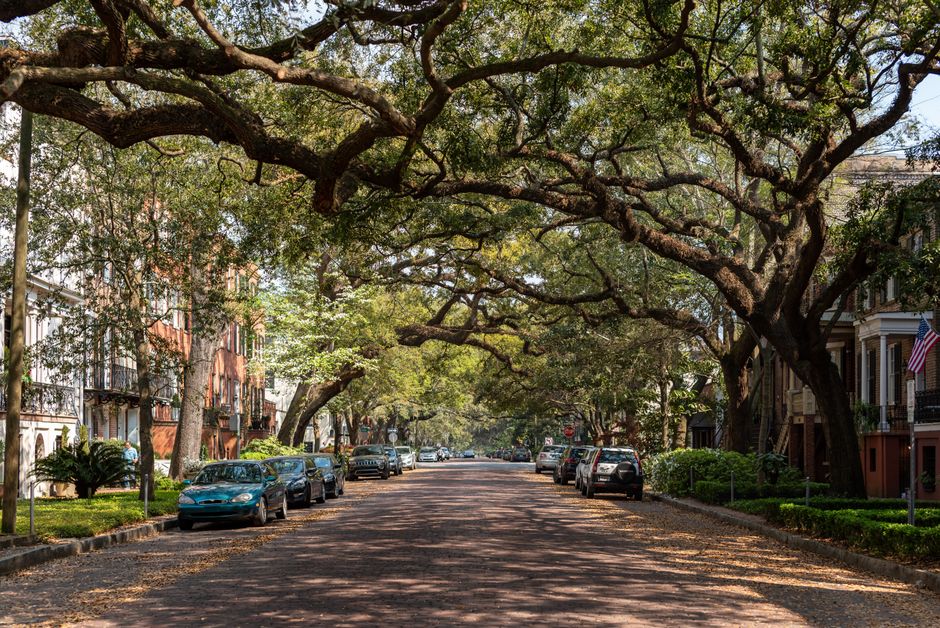
I arrived in Savannah on a Thursday afternoon with no real plan beyond finding a place to stay and figuring out if the city's reputation for atmospheric wandering actually held up. Walking from the parking lot toward the historic district, sweating through my shirt in August humidity, I realized pretty quickly that where you plant yourself here matters. Savannah's neighborhoods have distinct personalities—some are all moss-draped oaks and church bells, others are young and loud, a few are genuinely quiet. After six days of bouncing between rentals and spending way too much time sitting on park benches reading reviews, I've got some real takes on where to actually stay.
Historic Downtown and Forsyth Park
This is the obvious choice, and honestly, it earns it. You're steps from everything—restaurants, bars, the river, squares that look like they were designed specifically for Instagramming. Forsyth Park itself is genuinely beautiful, especially early morning before the crowds. The trade-off is noise. You will hear people at 2 a.m. You'll hear them on Wednesday nights, not just weekends. If you're a light sleeper, upper floors facing away from the main drag help, but there's no escaping it entirely.
Safety here is fine. I walked around at night without issue, and the police presence is noticeable. Walkability is obvious—that's the whole point. Most studios and one-bedrooms run $120 to $250 a night, though prices spike during peak season and festivals. If you book a place on a quiet side street off one of the main squares, you'll pay a bit more but actually sleep better. The neighborhood works best if you want nightlife on tap and don't mind some noise as part of the deal.
Midtown and Victory Drive
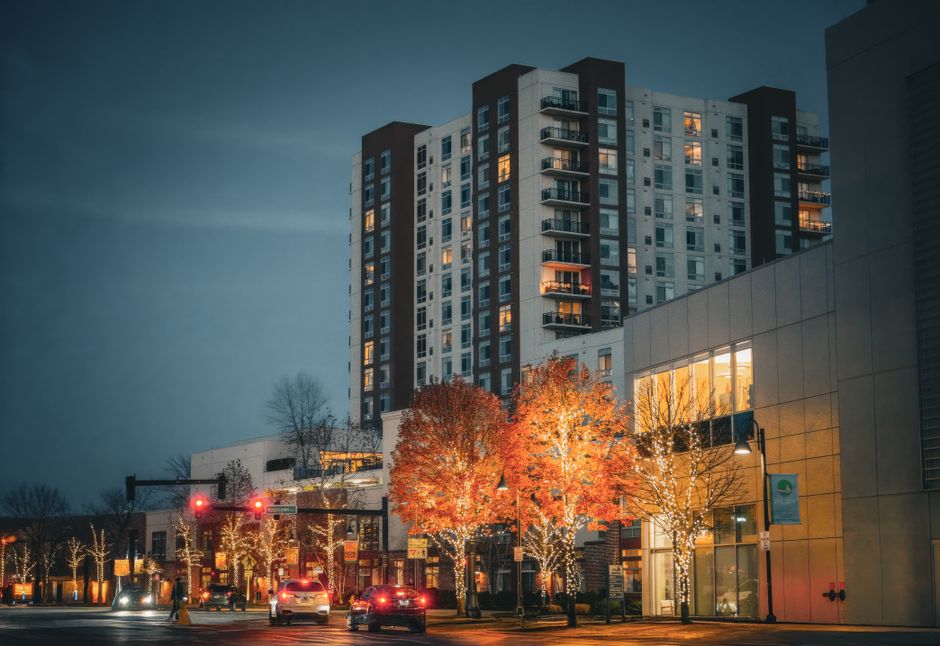
This area sits north of the historic center, along Victory Drive, which used to be the main commercial drag before downtown got all the attention. It's walkable but in a different way—you're not tripping over tourists, and there's a genuine neighborhood feel. Local restaurants, antique shops, some real character that doesn't feel designed for visitors.
It's quieter than downtown without feeling isolated. Nightlife is more low-key: craft bars, live music at smaller venues, places where you might actually have a conversation without shouting. I felt safe walking at dusk and at night, though like any city, using basic sense matters. The area attracts young professionals and older residents who actually live here year-round, which changes the vibe.
Nightly rates typically run $80 to $160, making it the better value if you want walkability and amenities without paying downtown premiums. The location is smart if you plan to spend time in the historic district but also want to escape it. Ten minutes by foot or five by bike gets you back downtown; it's far enough to feel separate but not far enough to feel marooned.
Bonaventure and the Isle of Hope
If quiet is your actual goal—not quiet-with-bars-nearby, but actually quiet—this is where to look. The Isle of Hope is south of downtown, separated by water and marsh, with a slower pace and residential character. The river is beautiful here, less touristy than Riverfront proper. You've got live oaks, Spanish moss, the actual sound of water and birds instead of bachelor parties.
Walkability depends on your rental's specific location. The core around Bonaventure Cemetery and the historic homes is pleasant for strolling, but it's more spread out than downtown. You're not going to walk to dinner easily; a car or bike becomes useful. There's almost no nightlife in the traditional sense—this isn't the neighborhood you pick if you want to bar-hop. It's the neighborhood for early mornings on the water and reading on a porch.
Safety is not a concern. It's residential, well-maintained, and quiet because there's less foot traffic, period. Nightly rates run $90 to $180, depending on whether you're renting a historic home or something newer. This area works if you've already done Savannah before, or if you came here specifically to slow down rather than sightsee.
The River District and Warehouse Row
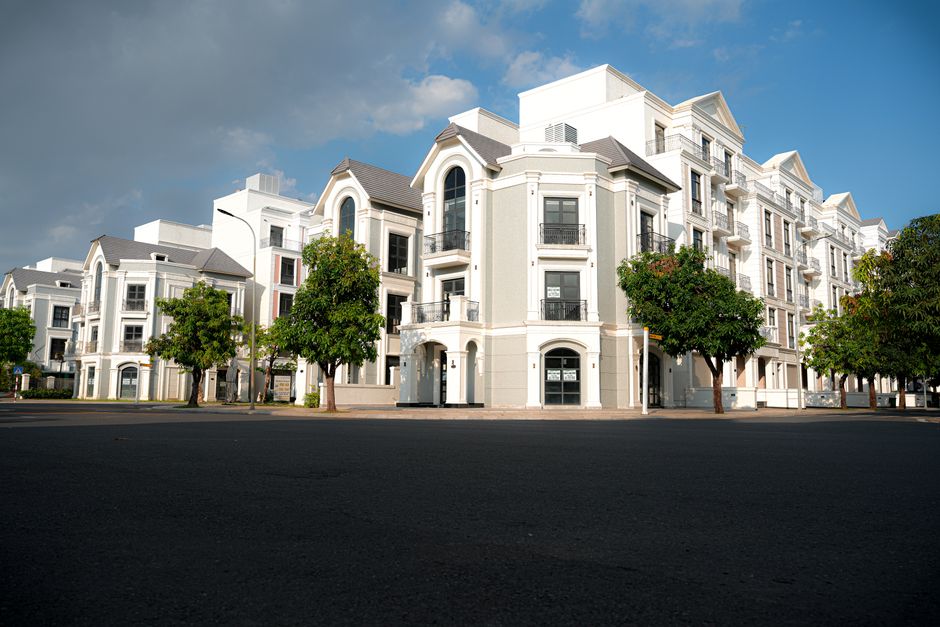
The cobblestone stretch along the Savannah River has undergone real change in the past decade—less genuinely historic, more developed, but undeniably energetic. It's walkable, packed with restaurants and bars, the kind of place where you can spend an entire evening just moving from one spot to the next. The energy is lighter than downtown proper; fewer bachelorette parties, more mixed crowds. River views are the main selling point, and they're legitimately nice, especially at sunset.
Nightlife is abundant but not overwhelming. Bars here tend toward craft cocktails and local beer rather than shots-and-karaoke. It's younger in feel but not aggressively so. Safety is solid, especially along the main drag, though side streets are less lit. I didn't feel uneasy, but it's more commercial-corridor than residential-safe.
Expect $110 to $210 per night for most rentals. You're paying for location and newness; it's not the cheapest option, but it offers a middle ground—walkable and social without downtown's chaos. This is where I'd send someone who wants to feel like they're in an actual neighborhood but also wants easy access to food and bars.
Starland and East Savannah
This is the emerging neighborhood, the one where actual Savannah residents are moving when they can't afford downtown anymore. Starland is an old industrial area being slowly, carefully converted into studios, galleries, and restaurants that feel genuinely local rather than packaged for tourism. The vibe is artistic and young without being pretentious about it.
Walkability is developing but uneven. You can walk a three-block stretch for coffee and groceries, but you'll want a car for broader exploring. Nightlife exists in pockets—live music venues, breweries, small bars—but it's not concentrated. You're not going to stumble from one bar to the next. Safety feels fine, more residential-bohemian than sketchy, though the area is still in transition, which means some blocks feel more built-out than others.
Nightly rates are the lowest I found: $70 to $140 depending on the space and exact location. This is the neighborhood for writers, artists, and travelers who want to avoid the tourism grind entirely. It requires more intention—you can't just wander and find dinner like you can downtown—but it's Savannah without the theater of it all. It's also the least stable recommendation, because it's changing quickly. That's precisely why it's interesting.
Practical Notes Before You Book
A few things I wish someone had told me upfront: summer is hot and humid enough to make walking unpleasant unless you're a heat person. Spring and fall are genuinely perfect. Winter is mild and less crowded. August was a solid choice for low prices and high discomfort.
Parking matters more than I expected. If your Airbnb doesn't have dedicated parking, factor in nightly garage costs or the frustration of hunting for street spots. Downtown is particularly tight. Restaurants and bars don't require reservations often, which is nice, but popular spots fill up by 8 p.m. Breakfast places have lines. Coffee shops are crowded before 10 a.m.
Walk the neighborhood at night before you book if possible, or at minimum, pull up Google Street View and scroll through recent photos and reviews that mention nighttime noise and foot traffic. Savannah's neighborhoods can feel entirely different at 6 p.m. versus 2 a.m. Your experience depends less on which neighborhood you pick and more on what you actually want from a trip—which sounds obvious until you're lying awake listening to somewhere you chose.



