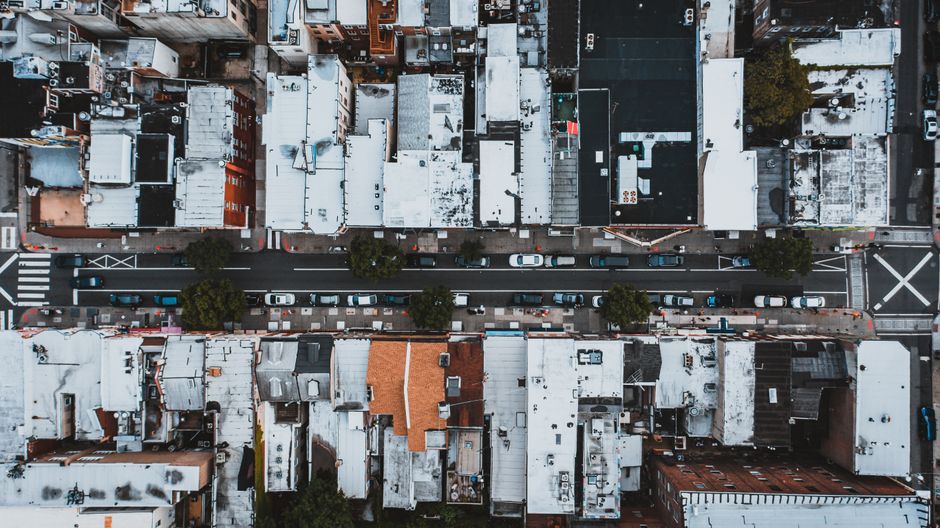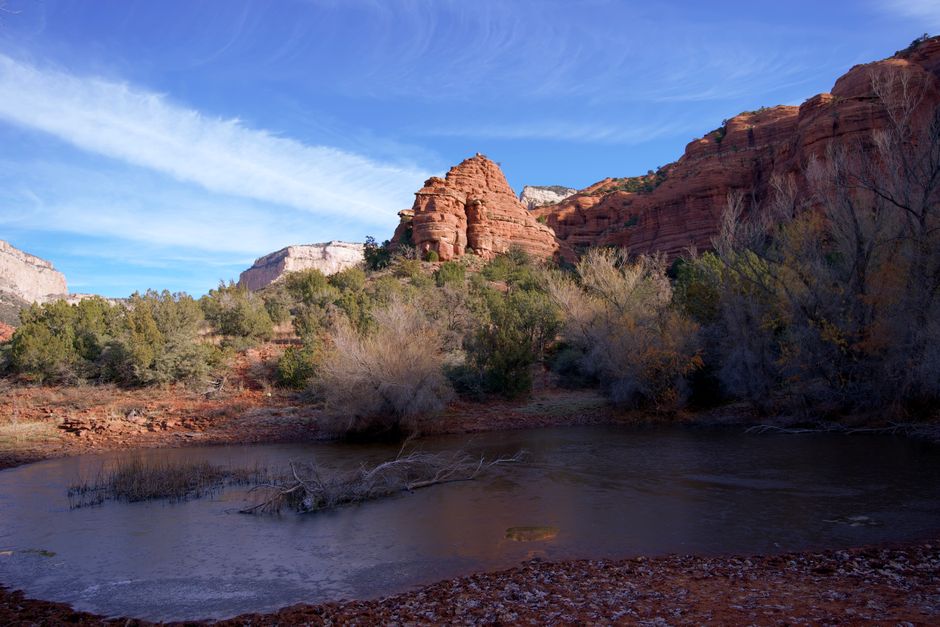
I landed in Tucson on a Friday afternoon with the usual tourist intel: Arizona-Sonora Desert Museum, Mission San Xavier, downtown's touristy blocks. Fine places, sure. But I've learned that a city doesn't actually reveal itself until you walk the blocks nobody's posted about on Instagram. By the second day, after ducking into a used bookstore on a whim and getting lost in the tree-lined neighborhoods north of the university, I realized the real Tucson was humming along just past the main tourist drag.
The city has this refreshing middle-ground quality—big enough to have substance, small enough that you can stumble into genuinely good things without a reservation or advance planning. No velvet ropes. No crowds. Just people living their lives, and a traveler lucky enough to wander through.
University Neighborhoods: Where Actual Tucsonans Spend Saturday
The grid of neighborhoods around the University of Arizona campus—Fourth Avenue, University Boulevard, the surrounding blocks—is where I stopped trying to visit "attractions" and started actually enjoying the city. It's not undiscovered, exactly, but most tourists never drift this far north from downtown.
Fourth Avenue itself is worth an hour of aimless walking. The vintage clothing stores feel genuinely curated, not tourist-trap versions of vintage. I found myself in a record shop that had actual organization and staff who knew their stock. Coffee shops here are the kind where people work on laptops or read without anyone minding how long you stay. The murals are everywhere—actual street art, not painted-on murals designed for photos.
Wander the residential blocks off University Boulevard and you'll see why people actually want to live here. Older Craftsman houses, fruit trees hanging over sidewalks, front porches where neighbors actually sit. It's the kind of walking that doesn't feel like sightseeing.
Arizona State Museum: The Real Reason to Visit Campus
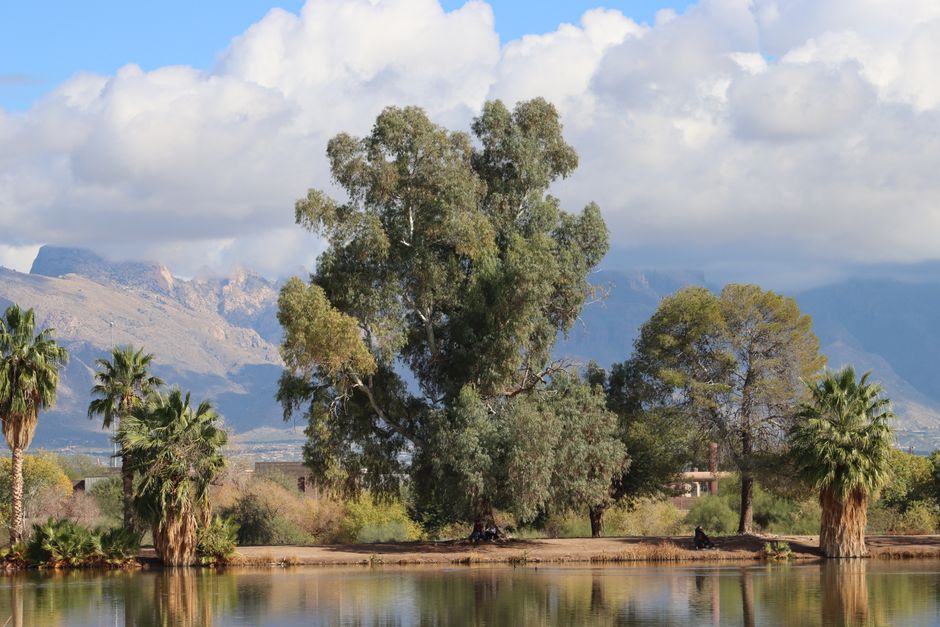
Most tourists hit the Desert Museum, which is fine if you have four hours and thirty dollars per ticket. I spent two hours at the Arizona State Museum on the UA campus, paid eight dollars, and saw indigenous pottery and textiles that most people in the Southwest have never actually looked at closely.
The museum is serious and unglamorous—no dramatic lighting, no gift shop theater. You're looking at Ancestral Puebloan ceramics and Navajo weavings in straightforward display cases. There's a whole section on the region's anthropological history that doesn't feel dumbed down. The staff seemed like people who actually cared about the material, not tour guides reading a script. I spent longer in there than I expected, and walked out with the kind of understanding that comes from paying actual attention, not rushing through highlights.
Sabino Canyon: The Hike Everyone Skips
Northeast of the city, Sabino Canyon is in every guidebook, so everyone assumes it's overrun. I went on a Tuesday morning and shared the main trail with maybe six other people. The canyon itself is genuinely dramatic—sheer rock walls, a creek running clear and cold, enough shade that you're not dying in the Arizona heat.
Take the tram to the end if your knees are shot. I walked partway, climbed down to the creek in a couple spots, sat on a rock for twenty minutes watching water. The easy part of the trail is busy enough to feel safe and solo-friendly, but most of the canyon was quiet. The payoff is real: you get the landscape, the solitude, and the clarity that comes from physical movement through something larger than yourself. No photo ops designed in. No kitschy structures. Just a canyon that's been there for a while.
Colossal Cave Mountain Park: An Actual Cave, Not a Curio Shop
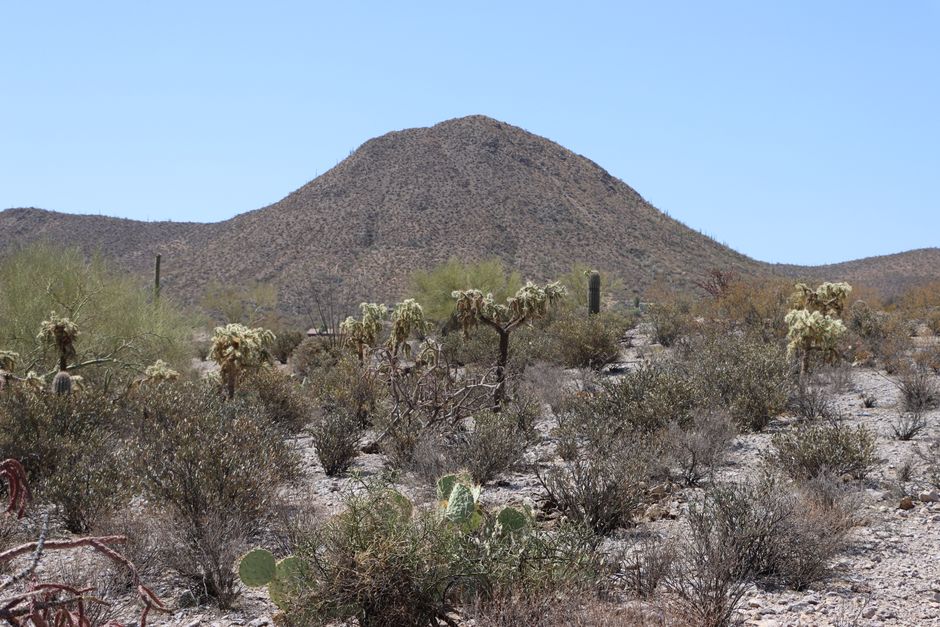
South of the city, Colossal Cave is advertised as a tourist attraction, and it technically is—there are guided cave tours available. But the real draw is the hiking trails that lead around and above the cave itself. You can hike up to the natural entrance without paying for the guided tour, and the view of the canyon system from the ridge is the kind of reward that feels earned rather than packaged.
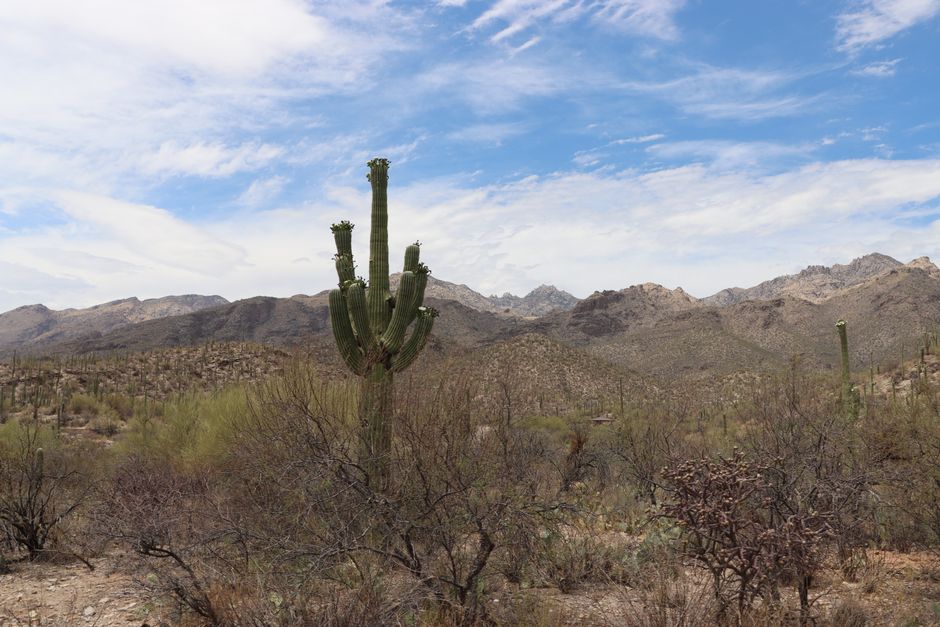
I paid for parking and hiked for maybe ninety minutes, gaining elevation gradually, moving away from the small visitor center area into actual quiet. The landscape is classic Sonoran high desert—saguaros, paloverde trees, the rock formations that make southern Arizona visually strange in the best way. If you do take the cave tour, it's straightforward and actually educational. But the hike is better—less narration, more thinking time.
Maynards Market and Kitchen: Where Tourists Don't Eat
Downtown Tucson has the usual restaurant churn, but Maynards, housed in a converted grocery building on South Stone, isn't trying to impress anyone. It's a market, café, and bakery where the ambition is feeding people well, not documenting food on Instagram.
I grabbed a pastry and an espresso one morning and sat in the industrial-modern space watching the kitchen move. The bread is real—the kind of loaf that's actually harder than the air-filled stuff most bakeries sell. The people working seemed to know the regulars by name. It's the kind of place where you understand a city's actual food culture rather than its tourist version. Prices are reasonable. No wait required. Just good work being done in public, and you're welcome to watch and eat.
The Fort Lowell Park Neighborhood: Quiet Enough to Think
North of downtown, the neighborhood around Fort Lowell Park is leafy and residential in a way that doesn't announce itself. The park itself has hiking trails that loop through wash areas and higher ground, with saguaros and mesquite scattered through. It's not dramatic like Sabino Canyon. It's just a neighborhood where people walk their dogs and you can walk there too.
I spent an evening walking the streets around the park, watching the light change on the Catalina Mountains to the north. This is the Tucson that people move to for quality of life rather than novelty. No attractions. No photo ops. Just streets where you could imagine staying a while, finding a long-term rental, knowing where to buy good bread. That might not sound like a tourist recommendation, but for a certain kind of traveler—the kind who gets bored quickly with the official attractions—it's exactly the right kind of place.
A City That Doesn't Try Too Hard
Tucson's real advantage is that it's never fully committed to the tourist game. You can visit Mission San Xavier and see impressive colonial architecture. You can hike actual desert. You can eat well without reservations. You can wander neighborhoods where people actually live and work and seem reasonably happy. The city isn't in competition with itself. There's no manufactured urgency to see everything before you leave.
I stayed six days and never felt rushed. That's the thing about a place that doesn't lean too hard into tourism—you can actually relax there. You can walk streets without a plan and end up somewhere worth being. You can have a coffee without it being part of an experience. And if you're the kind of traveler who gets more from moving through actual neighborhoods than checking boxes on a list, Tucson's happy to let you do that at your own pace.