
I rolled into Providence on a gray afternoon expecting the usual New England college-town checklist: Brown University, the State House, maybe some Rhode Island history museum. What I got instead was three days of deliberately getting lost in neighborhoods where the real city actually lives.
The first thing that struck me was how vertical everything is. Providence climbs. You can stand in one neighborhood and look up to see three others stacked above it, connected by streets that don't appear on the tourist map. Most visitors stick to Kennedy Plaza and the downtown corridor. Once you start hiking up College Hill or wandering toward the Jewelry District, the crowds vanish. The city starts to feel like something other than a weekend destination.
Roger Williams National Memorial
Okay, technically this isn't hidden—it's a National Park Service site, so it's official and documented. But ask ten tourists where it is and you'll get blank stares. It sits at the edge of North Main Street, overlooking the Providence River, in a space most people don't realize is even accessible.
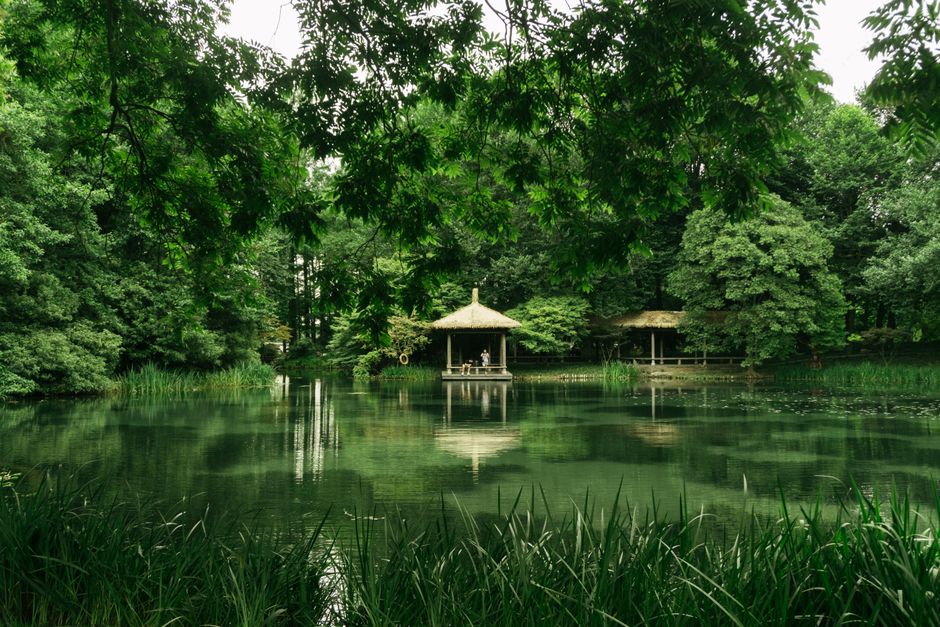
I went expecting a typical colonial-era monument. Instead I found this strange, contemplative park with a shallow reflecting pool and a columned shelter designed to frame the water view. The memorial itself is understated—just a small stone marking the landing site. What matters is the quiet. On a weekday morning, it's just you and the river and the sound of water.
The surrounding area is worth an hour of walking. The India Point neighborhood down toward the water has this industrial-historic mashup that photographers seem to know about before casual visitors do. Old textile mills converted to apartments, working waterfront still visible in patches. It's the kind of place that reminds you Providence was actually built on industry, not just imagination.
Slatersville and the Blackstone Valley
Nobody talks about this. The guidebooks point you to the West Side, College Hill, maybe Federal Hill if you want Italian food. Slatersville is north, about fifteen minutes by car or a solid transit ride, and it's one of the first planned mill communities in America. The Samuel Slater Mill Historic Site sits there alongside the Blackstone River.
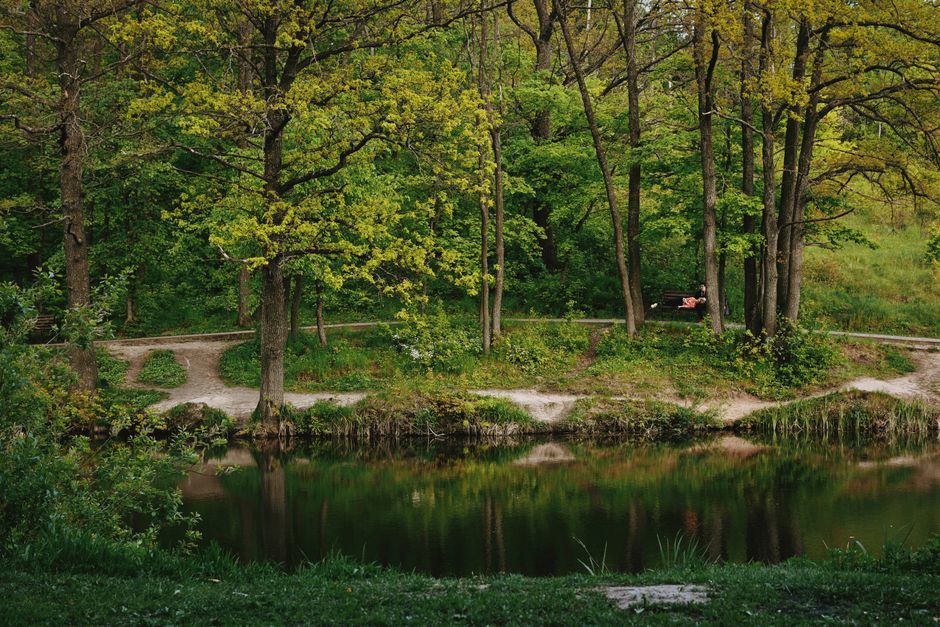
I wasn't expecting to spend three hours there, but the place has this eerie, preserved quality. The mills themselves are still standing—not always pristine, but real. Not theme-park versions. There's a working textile mill you can actually watch operate on certain days. The river below is the centerpiece, and in the warmer months you'll see people kayaking through sections that feel genuinely removed from anything resembling a city.
The nearby Slatersville Village has older homes, some storefronts, the kind of architectural consistency that only happens when a single person or company built everything at once. It's been restored in pieces but not aggressively sanitized. This is what New England industrial history actually looks like when you're standing in the middle of it, not reading about it in a museum placard.
The Landscape Arboretum at Blithewold
Blithewold sits in Bristol, adjacent to Providence, and it's a mansion-and-grounds situation that most people skip in favor of Newport's estates. I almost skipped it too. Then I walked the grounds and realized why you should spend an afternoon here instead of fighting crowds in Mansion Row.
The arboretum part matters more than the house. There are mature trees—big, old-growth specimens—arranged across maybe thirty acres that slope down toward Narragansett Bay. In fall the place is almost overwhelming. In summer it's just green and quiet. You can actually sit on benches without someone's tour group stopping directly in front of you.
The house itself is early twentieth century, less ostentatious than the Newport palaces, filled with the kind of furniture and art that suggests people actually lived there rather than performed living. The gardens have structure but they don't feel manicured into submission. If you're the type who likes walking through old estates but finds the famous ones unbearable, this is where you go.

The Preservation Society's Nickels-Sortwell House and the Benefit Street Museum Climb
Benefit Street is where Brown and the Athenaeum and the historic houses are clustered. Everyone knows that part. What fewer people realize is you can spend a half-day just dropping into individual properties, and the Nickels-Sortwell House is often empty of other visitors.
It's a federal-era mansion, early 1800s, preserved in a way that shows how someone actually wealthy but not palatial lived during that period. The rooms aren't enormous. The decorations are refined but not excessive. Walking through it feels like being let into someone's actual home, which is probably the point but it's rare to feel that way in these places.
What I loved was doing the street itself. Walk up Benefit Street from downtown and just keep your eyes open. There are plaques and historically significant homes every fifty yards. The Athenaeum is there—the old library, genuinely atmospheric and genuinely not packed with tourists. The First Baptist Church is worth stepping inside. Just walk slowly. This is where Providence's merchant and intellectual class lived. The architecture tells you something about the city's self-image during its prosperous years.
The Jewelry District and Coro Center
Providence has a jewelry industry that very few visitors know about. The Jewelry District is south of downtown, clustered around Kennedy Plaza, and it's still an actual working area—not a themed commercial district. Coro Center is the heart of it, a cooperative that studios and small manufacturers actually work in and sell from.
I showed up on a Saturday afternoon expecting to find maybe a few vendors with display cases. Instead I found actual jewelers at workbenches, production happening in real time, individual makers and small collectives selling directly. Some of the jewelry was experimental, some was traditional, some was the kind of thing you'd see in museum collections. Prices ranged from what independent makers in any city charge to genuinely affordable work that doesn't feel derivative.
The surrounding neighborhood is worth wandering. There are still working manufacturing spaces, old industrial buildings, restaurants that serve the people who work there rather than people who showed up because a food blogger wrote about them. It feels like the kind of place a city needs but rarely builds space for anymore. I bought a pair of earrings from a maker who explained her process while she was installing a final stone. Conversations like that happen in real working neighborhoods, not in tourism zones.
Betsey Williams Cottage and the East Side
The East Side of Providence is residential, where people actually live, and most tourists never see it. Betsey Williams Cottage sits there—a very old house from the 1700s, now maintained by the Society of Colonial Dames. It's not advertised heavily. You have to call ahead to visit.
What makes it worth the effort is the specificity. This isn't a grand estate mansion. It's a colonial homestead where a colonial-era family lived, and the interpretations focus on daily life rather than prominent historical figures. The grounds include a kitchen garden that demonstrates what people actually grew and ate. There's a sense of how limited space was, how differently people used and moved through their homes.
The East Side itself repays wandering. Elm Street and Prospect Street have tree-lined stretches that feel genuinely removed from the downtown. There are neighborhoods of older homes and quiet blocks, parks with water views, a rhythm that's nothing like the tourism core. If you want to see what Providence looks like when it's not putting on its best face, this is where you go.
What the Detours Teach You
Three days of walking Providence's non-obvious places, I kept noticing the same thing: the city is genuinely more interesting when you're not following a predetermined path. The State House is fine, the museums are solid, the history is real. But the character of the place emerges when you're standing in a park that nobody has turned into an attraction yet, or watching a jeweler work, or walking past homes that have been lived in and maintained for two centuries without ever being professionally restored.
Providence sprawls across hills in a way that forces you to move through neighborhoods rather than strip-circuit a downtown. Use that. Walk the stairs. Take a bus to somewhere unfamiliar. The city reveals itself in the gaps between marked attractions, and that's where you'll understand why people who live here actually choose to stay.



