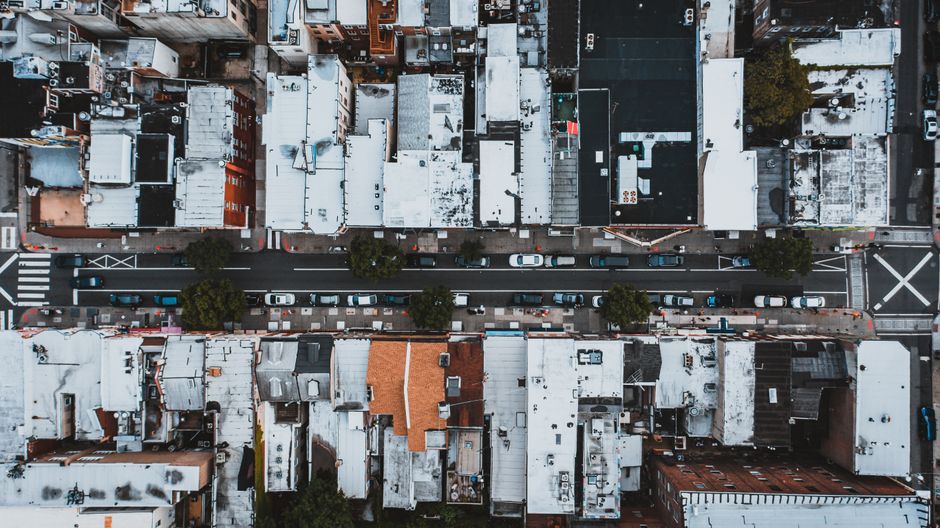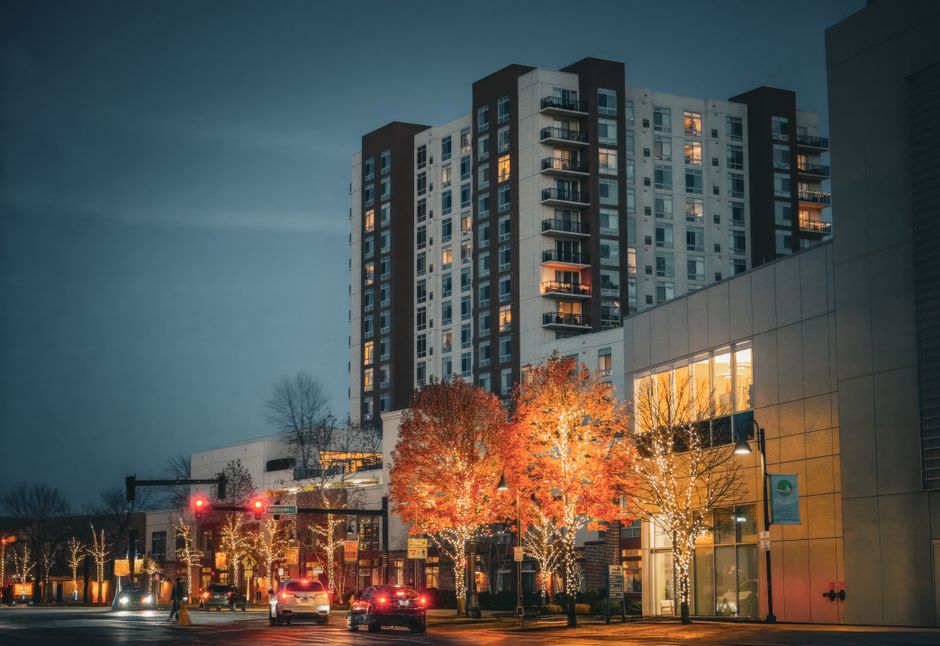
I rolled into Providence on a wet Thursday evening last fall, fresh off the train from Boston, and immediately understood why people actually choose to spend time here. It's not a city that announces itself. There's no waterfront postcard moment, no obvious landmark pulling your eye. Instead, you get these small calibrations—the brick buildings catching late-afternoon light, the way locals actually fill the sidewalks downtown, a theater district that feels lived-in rather than curated.
Finding the right neighborhood to base yourself matters more here than it does in bigger cities. Providence is compact enough that you're not hostage to location, but the vibe swings enough between pockets that three blocks can feel like different cities. I've spent the better part of a month across these neighborhoods at various times, and what follows is honest ground-truth about where to actually book an Airbnb if you want to feel like you're somewhere worth being.
Federal Hill: The Obvious Choice, and Mostly for Good Reason
Federal Hill is the first neighborhood people point to when you ask about Providence. It's walkable—genuinely so, with restaurants and shops spilling across Atwells Avenue and side streets without the careful curation you'd see in a gentrified neighborhood. Italian restaurants still outnumber farm-to-table spots by a comfortable margin. There's a real neighborhood underneath the tourism layer.
What makes it work for short-term stays is the infrastructure. You can walk to the mall for groceries if needed, hit a dozen restaurants in an evening, and not feel like you're trapped in tourist theater. The street-level energy is there most nights. Parking is tight but doable if you arrive early. Evenings feel safe enough that you won't second-guess heading out for dinner alone.
The trade-off: it's popular. Airbnb availability bounces around season to season. Expect to pay $110–$160 per night for something decent, more if it's spring or fall. The neighborhood doesn't empty out at night, which is good for safety and foot traffic but means you'll hear kitchen noise from adjacent units and street activity until past midnight on weekends. It's not quiet, and it's not meant to be.

College Hill: For Walkability and Young-Ish Energy
College Hill sits above downtown, anchored by Brown University and RISD. If you want actual walkability without feeling like you're performing tourism, this is it. Thayer Street is the spine—coffee shops, used bookstores, bars where people are actually having conversations instead of making content. You'll see students, sure, but also neighborhood regulars who've been coming to the same places for fifteen years.
The neighborhood walks differently than Federal Hill. It's more intimate, quieter during the day, livelier in the evening once classes end. There's a used bookstore culture here that feels genuine. The coffee shops actually close at reasonable hours instead of running the late-night shift. If you want to work from somewhere with character, you won't struggle.
Nightly rates run $95–$145 depending on proximity to Thayer Street. Closer to the university means pricier and busier; a few blocks off the main drag gets you quieter and cheaper. Safety is fine during evening hours—students are everywhere—but the neighborhood empties by midnight most nights. It's not sketchy, just genuinely quiet. Parking is challenging but usually available if you hunt. The real limitation is that it can feel more like a college town than a city at night if that's not your thing.
Downtown and Kennedy Plaza Area: The Ambitious Play
Downtown Providence has changed noticeably in the last five years. There's a theater district that actually functions as a district. The riverfront has real pedestrian infrastructure now, the way it should have always been. The Arcade, this stunning old marketplace building, runs actual events and hosts galleries. It's not Times Square theater-district energy; it's something quieter and more real.
Booking an Airbnb here makes sense if you want to minimize car use or spend time doing actual things—catching shows, sitting in cafes, walking the riverwalk at odd hours. It's walkable by definition. Safety at night is fine on the main corridors and around the theater district; like most downtowns, you get your bearings quickly and stick to well-lit routes. The neighborhood has genuine after-work bars where people still congregate, which helps maintain street-level activity.
The catch is that it genuinely quiets down after the show lights shut off. You're not getting nightlife in the sense of late-night venues unless there's a performance happening. Rates are similar to Federal Hill, $110–$155 depending on exact location and how recently the building was renovated. You'll hear building noise more acutely here—this is downtown, full stop. It's not for people who need silence, but if you want to be where things actually happen, without the noise complaints that come with Federal Hill's restaurant scene, it's the move.
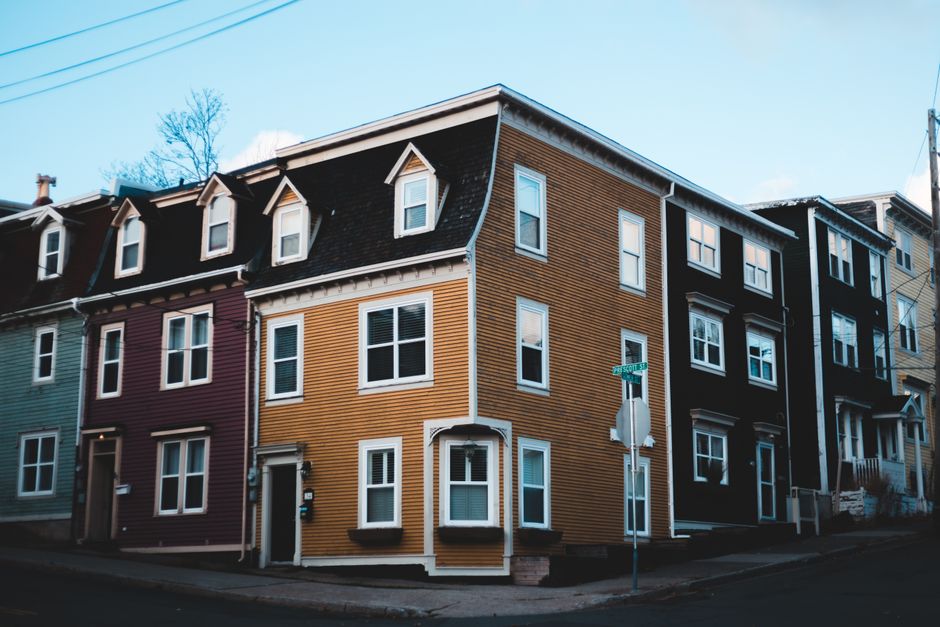
Wayland Square and the East Side: Quiet with Teeth
Wayland Square is where you go if you need a neighborhood that actually feels like a neighborhood and you're willing to walk five minutes to get anywhere interesting. It sits east of downtown and has its own commercial spine. There are actual independent restaurants here, the kind that survive because locals eat at them regularly, not Instagram tourists. The density is lower, the pace is slower, the whole vibe says you're somewhere people actually live.
Walkability is good but not downtown-adjacent—you'll walk to restaurants, coffee, bookstores on the square itself, but to get to downtown proper or Federal Hill, you're looking at 15-20 minutes or a short ride. It's a neighborhood you can explore on foot, but you're probably taking a Lyft if you want to hit multiple nightlife venues in an evening. Safety at night is fine; this is a genuinely residential area with foot traffic, not empty sidewalks.
Nightly rates are $85–$130, lower than the main tourist corridors and lower than comparable East Side properties that are closer to downtown. The nightlife-to-quiet ratio tilts hard toward quiet. If you want to live like a local for a week, drink at neighborhood bars where everyone's reading the room, and have actual silence at 11 p.m., this is your neighborhood. It's not for people chasing energy or who need everything within walking distance of a theater district.
Olneyville: If You Want Real Cheap and Don't Mind Edges
Olneyville is west of downtown, and it's the neighborhood where you actually save money without moving to a completely separate city. Nightly rates can dip to $70–$110. The trade-offs are real, though. It's genuinely residential, which means less foot traffic at night, fewer bars and restaurants within walking distance, and a different economic profile. The neighborhood isn't dangerous in any functional sense—people live here, work here, have built lives here—but it doesn't have the evening infrastructure that makes short-term stays comfortable for most travelers.
I'd only recommend Olneyville if you have a specific reason to be there or if you're comfortable with being more car-dependent. If you're working remotely for a week and just need a clean place to sleep cheaply, fine. If you want to walk out your door at 7 p.m. and hit restaurants and bars, you're in the wrong neighborhood. It's the kind of place where Providence natives actually live, which is cool in theory but means visitor infrastructure is minimal. The real value of booking there is purely financial, and you're trading every other neighborhood advantage to get it.

On Logistics, Because People Actually Care
Providence is small enough that a car is genuinely optional for most short-term stays in Federal Hill, College Hill, or downtown. Parking is one of those things—tight but solvable if you're willing to hunt or pay. Airbnb listings vary wildly on what they offer. Some include parking that's actually their responsibility; some point you vaguely toward street parking. Ask specifically.
Season matters for pricing more than it should. Fall weekends run peak rates. Winter is cheaper. Summer is mid-range—tourists come, but not in overwhelming numbers. Tuesday nights are consistently cheaper than weekends across neighborhoods. If you're flexible on dates, you can save real money.
The neighborhoods I haven't mentioned—like parts of the South Side or North End—exist and have Airbnbs, but they're either very far from anything relevant for a short stay or they're in transition in ways that make recommendations feel premature. The five I've outlined cover the realistic range for someone spending a week here without a car and wanting to actually do things.
Why You're Here in the First Place
Providence doesn't sell itself hard, which is part of why it actually works. You come for RISD if you care about art, or Brown if you care about theater, or you just show up because Boston felt too expensive and Boston felt like too much. The neighborhoods I've described are where you'll find people who actually live here, not where you'll find other travelers performing having a good time.
Book somewhere that matches what you actually want to do for the week. Walk it before you settle in. Providence rewards that kind of attention.