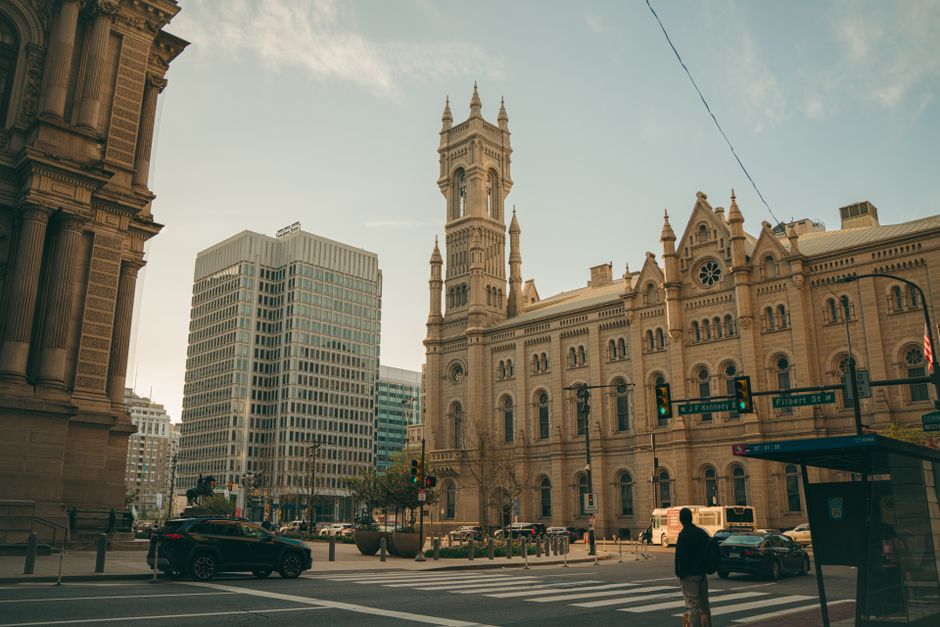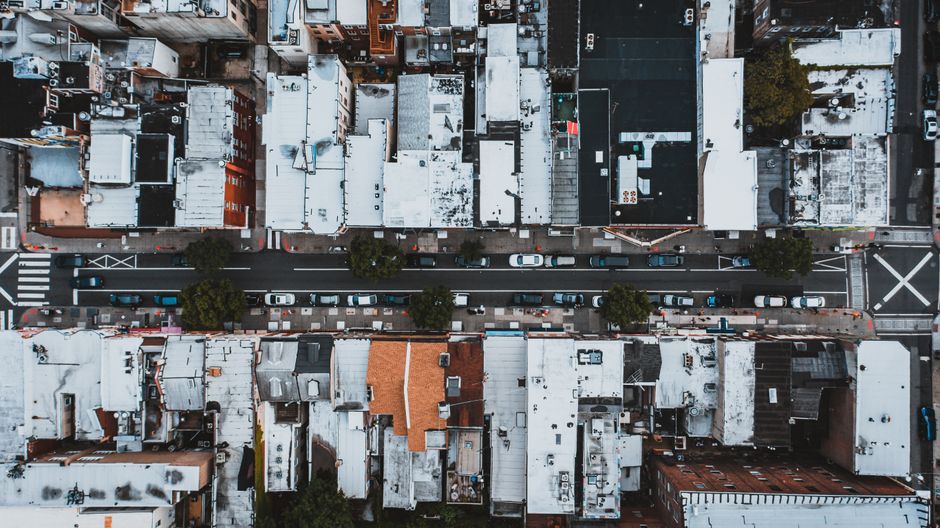
I showed up to Nashville on a Tuesday evening expecting neon and noise. What I got instead was a hard lesson in tourist-trap management. Broadway was exactly what I'd braced for—a wall of live music venues, bachelorette parties, and merch shops selling the same trucker hats in five different doorways. By Wednesday morning I was already tired of it. So I did what I always do: rented a bike and rode in the opposite direction until the crowds thinned out.
Three days of wandering turned into a week. I found the kind of Nashville that actually exists—the one locals don't talk about much because they're too busy living in it. No Instagram accounts. No tour-bus routes. Just neighborhoods with real character, where you can actually hear yourself think and the people behind the counter remember your name by your second visit.
Radnor Lake and the East Side Escape
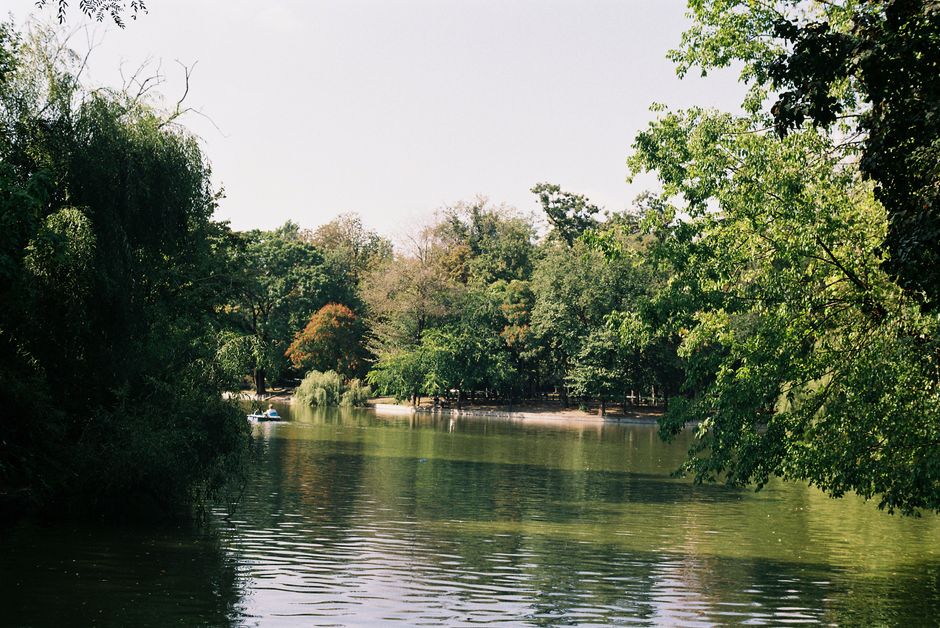
Most visitors never make it south of downtown, which means Radnor Lake State Park stays quiet. The lake itself sits about five miles from the heart of Nashville, tucked behind residential streets that don't announce themselves. I found it accidentally while following what I thought was a shortcut, and honestly, I'm glad I did.
The loop trail is just under three miles—flat, well-maintained, and populated by actual residents getting their morning walk in, not performance-touring groups. The water's dark and still, surrounded by old-growth trees that make you forget the city's just behind you. Bring binoculars if you care about birds; I didn't, but I saw herons anyway. The parking lot fills up on weekends, but weekday mornings feel like you've stumbled into someone's private preserve. There's a small visitor center, unassuming and genuinely informative, run by people who seem to actually know the ecology rather than just reciting talking points.
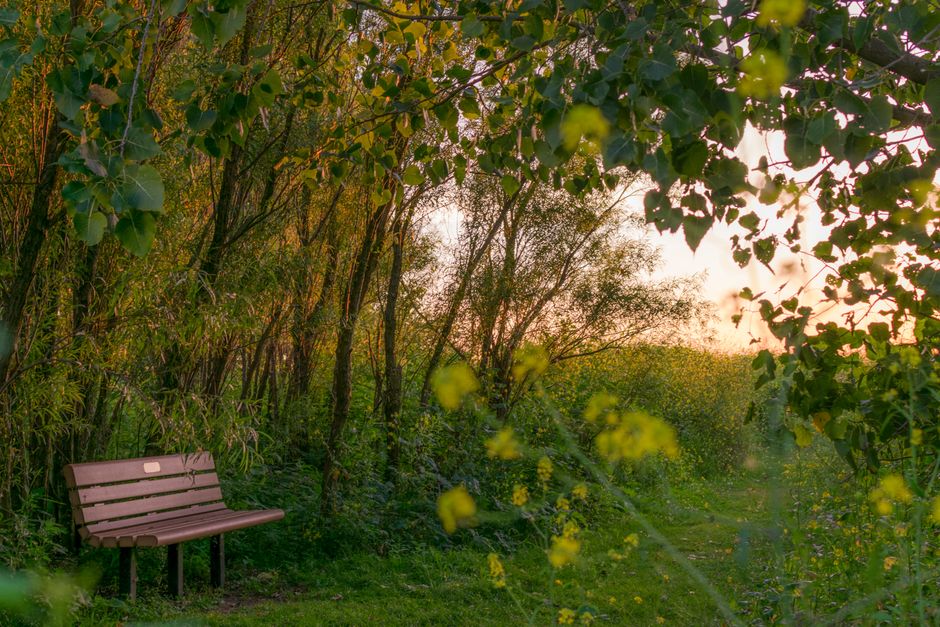
I sat on a bench for an hour one afternoon and watched the light change. That's when I knew I wasn't in tourist Nashville anymore.
The Parthenon and Why Everyone's Wrong About It
Yes, the Parthenon is in Centennial Park. Yes, technically tourists find it. But what they do there is snap a photo and leave. The whole thing strikes most people as a weird quirk—a full-scale Greek temple replica built for the 1897 World's Fair, painted bright white, dropped into Tennessee like a stage set.
I walked through it on a rainy afternoon and had entire wings to myself. The interior isn't what you'd expect. There's an actual fine-art museum inside—not famous works, but credible permanent collection stuff, paintings and sculptures rotating through. The 42-foot Athena statue dominates the main room and it's genuinely unsettling in person. Photography is technically allowed (unlike many museums), and the light through those windows does something to your phone's camera that no social media prep will help.
The staff isn't pushing you through. You could spend three hours in there and nobody's checking a timer. Cost is reasonable, around twelve dollars. The gift shop is refreshingly restrained—no branded tchotchkes or overpriced books, mostly just postcards and art books that seem like they were actually curated by someone.
Grimey's for Records and Real Music Nerd Energy
On 5th Avenue North, far enough from Broadway that you won't stumble into it by accident, Grimey's has been a record store since 1925. Not as a gimmick. As an actual place where people buy and sell music.
I spent a solid three hours in there on a Friday afternoon and talked to exactly one other customer. The staff knows their stuff without being condescending about it—helpful if you ask, invisible if you don't. The inventory is organized but chaotic in that way only real record shops manage. New releases, old jazz, country (obviously), punk, folk, whatever. They've got listening stations where you can actually preview things before buying, which feels quaint now but matters when you're trying not to waste money on a record you've only half-heard.
Coffee's free. The Grateful Dead never plays from the speakers. It's the kind of place where you can tell the owner actually argues with people about music taste and considers it part of the job.
The Ryman Backstage Tour (Without the Crowds)
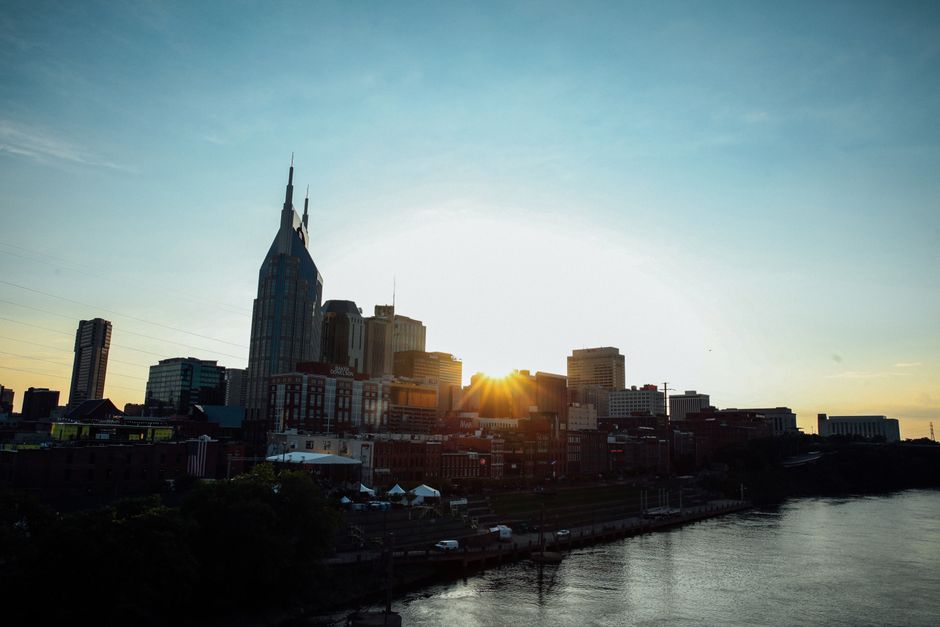
The Grand Ole Opry house out in Hermitage gets the tour buses. The Ryman, the original Opry venue downtown, gets tourists too, but fewer and mostly at predictable hours. The backstage tour is the move—you get the performance stage like everyone else, but you actually see the dressing rooms, the lighting booth, and talk to people who worked there.
I did the tour on a Monday morning at ten. My group had five people total. The guide was a woman who'd been involved with the Ryman for decades—not reading from a script, just telling stories. You see the original wooden seats, the brick walls, the balcony where famous people sat. The history feels earned there, not performed.
It's one of the few tourist attractions in Nashville where I didn't feel like I was in a crowd. Tickets run around fifteen dollars. The gift shop is standard-issue, but at least it's connected to something real.
East Nashville Wander: Woodland Street and Vernon Avenue
East Nashville isn't gentrified exactly, but it's in that middle moment where old houses have been restored and new people are moving in without completely erasing who lived there first. Woodland Street and Vernon Avenue are where the actual neighborhood texture shows—vintage shops, local restaurants that aren't franchises, murals that got painted because someone cared, not because a developer commissioned them.
I had breakfast at a spot called Brentwood in a corner building that's been serving the same neighborhood for years. Coffee was good and cheap. The people at the counter talked to each other like they actually knew each other. I bought a used copy of a poetry book at a shop called Atticus (the owner pointed me to the right section without needing to hear the full title), walked past a vintage clothing store that had an actual eye for curation, not just a pile of old stuff with high prices.
The vibe is slower than downtown, easier to move through. You can actually sit on a patio without feeling like you're performing for your Instagram feed. Street parking is free and mostly available. Spend a morning here and you get a sense of what Nashville is when nobody's watching.
The Frist Center's Quiet Corners
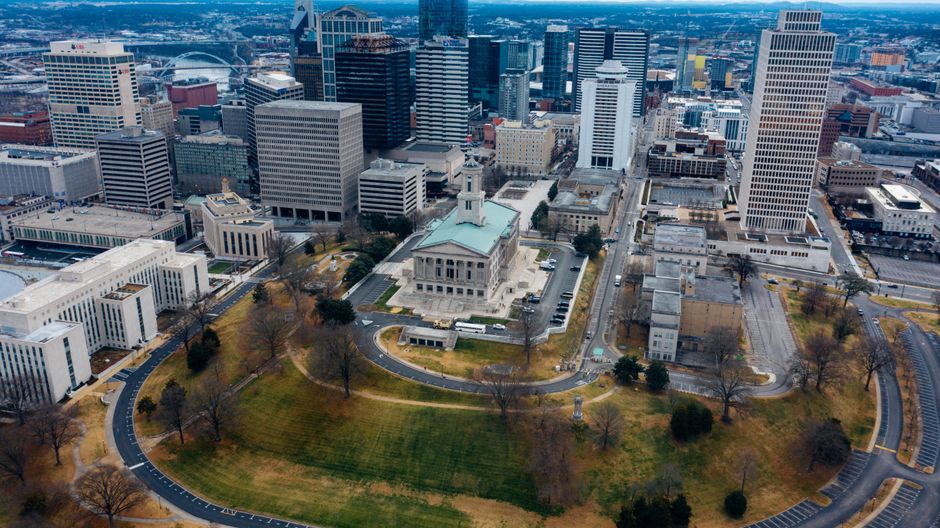
The Frist Art Museum is halfway between major tourist draw and overlooked community resource. It's free to walk through the main building and galleries most days (special exhibitions have an entry fee), which means people come and go without as much pressure as typical museums. The building itself is worth the walk—an old post office that got converted with enough respect for its original architecture that it doesn't feel trendy.
I found a room upstairs with contemporary installation pieces on a Wednesday morning that had nobody in it but me. The light was soft. Someone was playing subtle ambient music. It was clear that the museum staff designed the space to be experienced, not just consumed. There's a café that makes actual food, not just coffee and overpriced granola. The gift shop leans toward art books and objects, not branded merchandise.
The parking situation is reasonable if you go midweek. Crowds thin out after mid-morning. You could easily spend two or three hours here and nobody's rushing you.
Staying Away From the Script
Nashville works best when you refuse to follow the standard itinerary. The honky-tonks will be there if you want them—they're not going anywhere. But the actual neighborhood character, the record stores, the parks where people actually live their lives, the museums that don't feel like factory tours—those require the kind of aimless walking that most tourists skip because they've only got three days and a list.
I stayed longer than I planned. I kept finding new streets to bike down, new coffee shops that seemed to exist only for locals, new reasons to stay one more day. That's how you know you're done with the tourist part—when the place stops feeling designed for you and starts feeling like a place where people actually live. Nashville's got plenty of that, if you're willing to look past what's been put on the map for you.