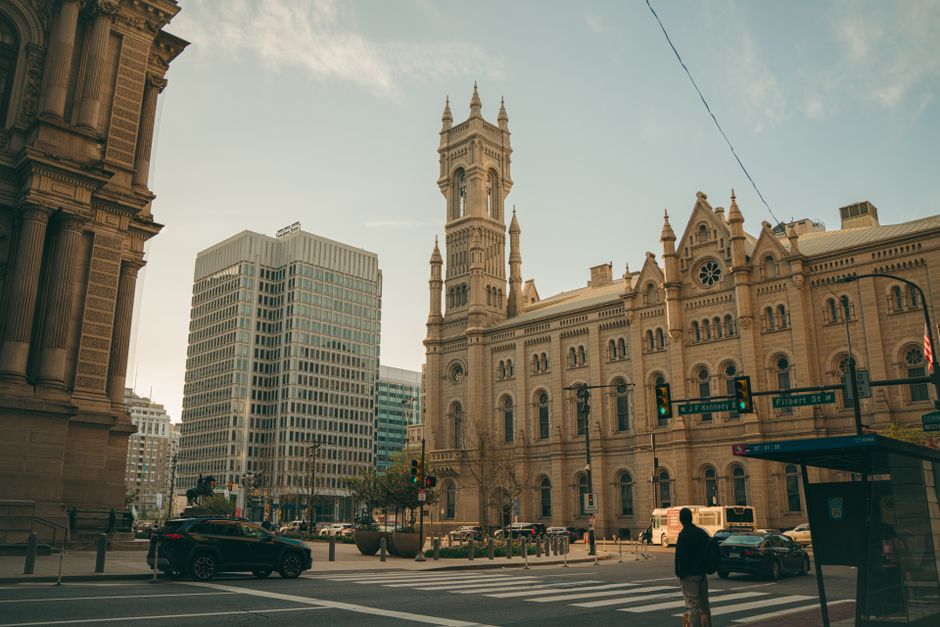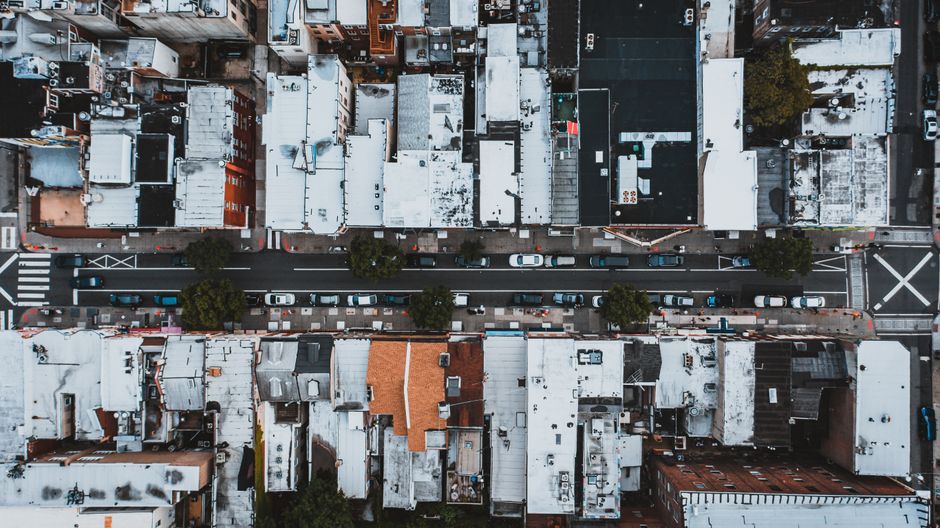
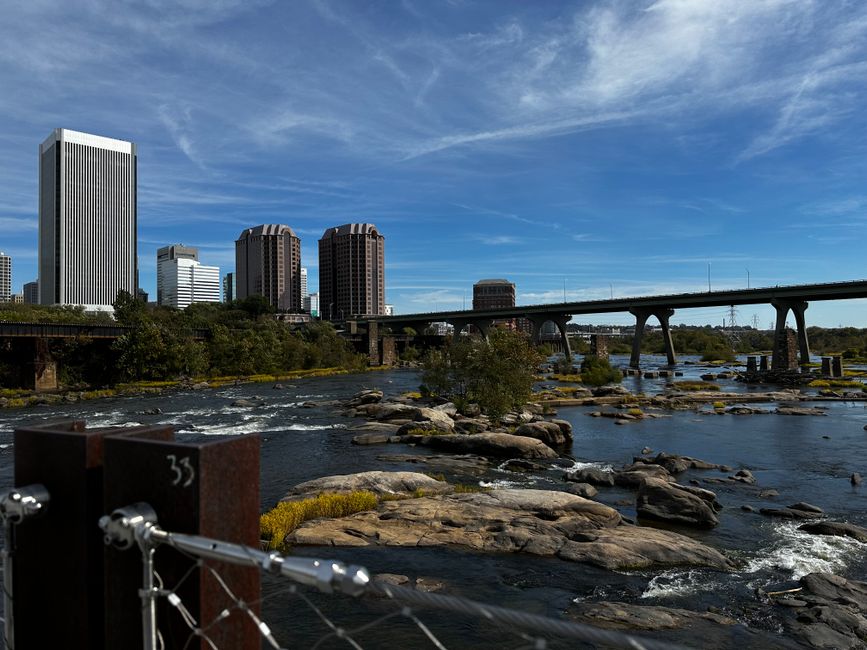
I showed up in Richmond on a gray Tuesday with the usual tourist instinct: hit Monument Avenue, see the Civil War stuff, grab some James River views. But after three days of the expected circuit, I realized I was barely scratching the surface. The city has a scrappy, lived-in character that doesn't announce itself to visitors—it reveals itself if you wander the right neighborhoods and ask the right questions.
Most people blow through Richmond in 24 hours, tick boxes, leave. I spent a week stubborn enough to get properly lost, and that's when the place started making sense. The real Richmond isn't in the big-name attractions. It's in the small museums that don't appear in every listicle, the parks where people actually spend weekends, the blocks where local life actually happens.
Belle Isle and the Walking Loop Most Tourists Miss
Everyone knows Belle Isle exists—it's right there in the middle of the James River, accessible from downtown. But the standard move is a 20-minute loop that hits the old hydroelectric plant and leaves. That's not the place. The real island is on the longer trail system that most drive-by visitors don't bother with.
I spent an afternoon doing the full circumference walk. It's less manicured than the main area, more legitimately wild, especially the northern part where the river narrows and the forest thickens. There's an old Civil War era canal lock system that most people miss because it's not signed with the energy of the main attractions. You have to actually look. The island has over 700 acres, and the majority of it feels like you've stumbled into a pocket of forgotten Richmond rather than a city park.
The Black History Museum & Cultural Center of Virginia
I mention this place specifically because it's downtown, legitimately substantial, and genuinely undershopped by the transient visitor crowd. It's not a minor room in another institution—it's a real museum in the old Jackson Ward neighborhood, which is itself worth an hour of wandering.
What struck me wasn't a single exhibition but the sense that the museum takes its role seriously without playing to the souvenir-shop tourism model. The curatorial approach centers Virginia's African American history through a lens that's often invisible in the broader regional narrative. I spent longer here than I expected to, and that's usually a sign something's being done right. The building itself—a renovated mansion—has character that matters.
Poe Museum (and Why You Should Ignore Your Schedule for It)
Yes, there's a Poe museum in Richmond. Yes, he lived there. No, it's not the kind of literary site that bores you with first editions in a sterile environment. It's housed in the Old Stone House, Richmond's oldest building, nestled in a quiet corner of the Fan District that tourists rarely penetrate.
The museum is small enough that you can absorb it without fatigue, comprehensive enough that you actually learn something, and—this matters—run by people who clearly care about the work. The garden alone is worth the trip: it's a pocket of genuine quiet surrounded by the city, the kind of place where you remember why you left your phone on silent. I came for the Poe connection and stayed because the whole atmosphere felt intentional and unhurried.
Maymont's Back Acres (Not the Italian Garden)
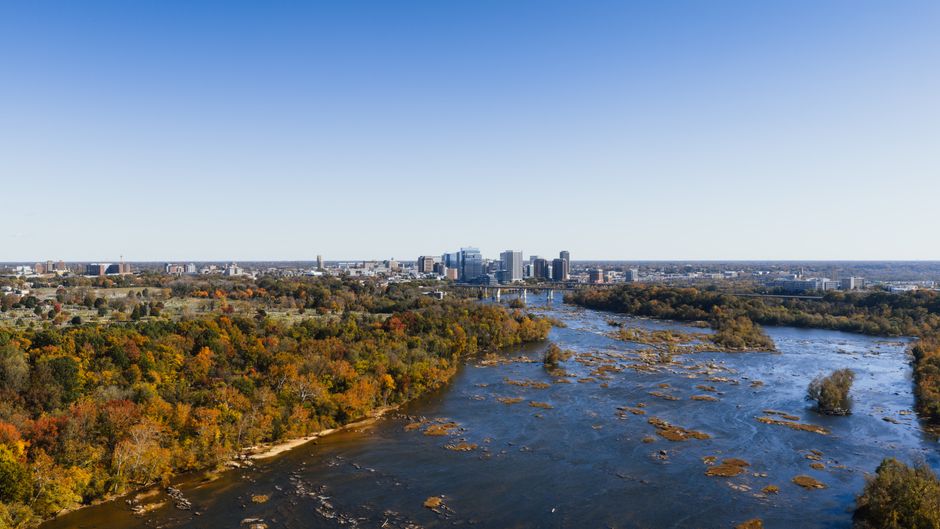
Maymont is technically a known destination, but 90 percent of visitors hit the Italian garden, take photos, leave. The house tour draws another crowd. Almost nobody ventures into the actual back property—hundreds of acres of woodland, meadow, and river bluff that feel genuinely removed from the city despite being right there.
I walked the back trails on a weekday morning and ran into maybe three other people across a couple hours. The James River overlooks from the northern end of the property offer a perspective on Richmond that you don't get anywhere else. There's a bird aviary tucked into the woods, not heavily trafficked, worth a few minutes if you're not bored by that kind of thing. The estate works because it lets you choose: crowds at the front, solitude at the back.
Sub Rosa Bakery, Because Food Beats Sightseeing
I'm not usually the type to lead with a single restaurant, but I mention this one because it anchors a broader point: the best part of Richmond isn't necessarily in designated destinations. It's in the places where local life actually occurs.
Sub Rosa occupies a converted warehouse on Main Street in Shockoe Bottom, and it's serious about bread in a way that transcends the casual tourist-café model. Early morning, the place is packed with people who clearly work in the neighborhood, have routines, belong there. It's the kind of spot where what you eat tells you something about how a city actually functions. I went for coffee, stayed for the whole experience. The broader point: skip some of the planned attractions and instead ask locals where they eat before 9 a.m. That tells you more about Richmond than any curated itinerary will.
Hollywood Cemetery and the Underrated View
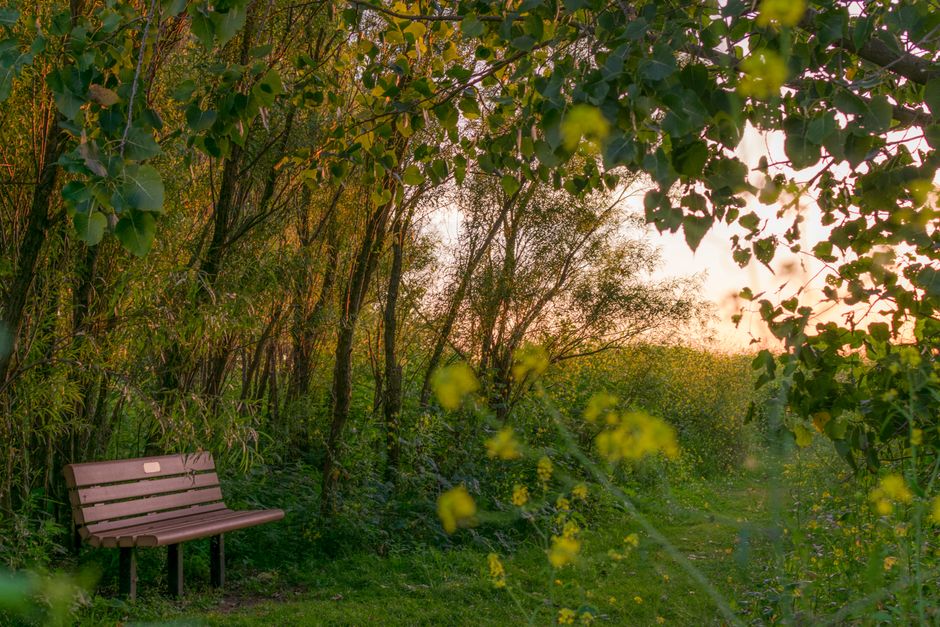
A cemetery isn't typically a recreational destination, but Hollywood Cemetery is less morbid tourist trap and more legitimately significant historical ground with an excellent River view that most visiting photographers never find. It's perched on a hill overlooking the James, designed in the 1840s to actually be pleasant—not grim.
The cemetery holds graves of two U.S. presidents among others, but the real reason to go is the western overlook. On a clear day, you can see the river bends for miles. It's peaceful in the way genuine old cemeteries are—you're surrounded by 150+ years of Richmond's dead, which sounds dark but feels contemplative instead. Locals run here. People sit on benches with books. It's integrated into the city's rhythm in a way that surprises most visitors who expect a cemetery to feel separate.
Institute for Contemporary Art (and Why It's Free)
The ICA gets decent buzz among architecture people, but its real strength isn't the building itself—though yes, it's architecturally interesting. It's that it's completely free and operates with a genuinely contemporary curatorial approach. You don't need an art background to spend an hour there productively.
I went on a Thursday afternoon and spent longer than I expected wandering through whatever was currently on exhibition. The building design, all glass and light, means even non-art-focused visitors feel something about the space itself. The fact that it's free removes the usual transactional relationship with cultural institutions. You're not trying to get your money's worth. You're just there, looking at things, having thoughts. That's rarer than it should be.
What Makes Richmond Actual Instead of Performed
Richmond works as a city because it isn't trying too hard to be one thing. The official tourism machinery points toward Civil War history and Monument Avenue, and that's a legitimate thread. But the city underneath—the neighborhoods, the museums that don't advertise heavily, the parks that locals use for actual living instead of Instagram—that's where the real draw is.
I left Richmond with the sense that I'd caught the city doing something other than performing for visitors. That's worth the extra effort of wandering beyond the suggested route. That's worth actually stopping to talk to people instead of just reading plaques. That's the difference between seeing a place and understanding why someone chooses to live there.