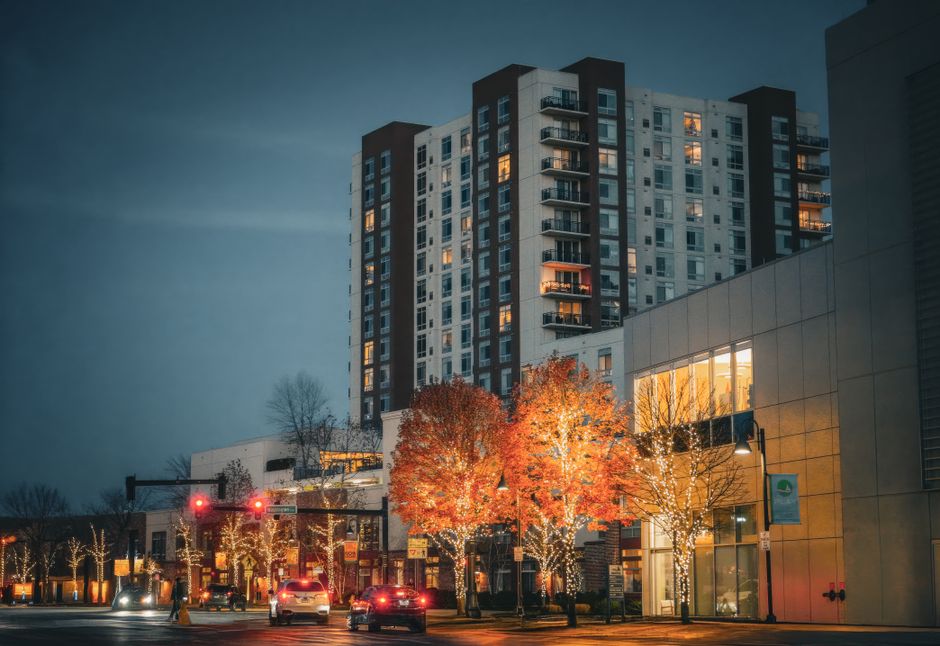
I showed up in Richmond on a Thursday without much of a plan beyond finding somewhere to crash that didn't feel like a hotel. Spent the first night in a mediocre downtown spot, woke up, and realized I'd picked wrong—too much honking, not enough breathing room. By Friday I'd relocated to a walkable pocket in the Fan, and everything clicked. The city's got these distinct neighborhoods scattered across the James, each with its own rhythm, and where you land for a few nights or a month genuinely shapes how you experience the place.
Richmond's not huge—the metro area is around 1.3 million, the city proper much smaller—so you're not dealing with impossible distances. Most of the neighborhoods worth considering for a stay are on the north side of the river, clustered in ways that make neighborhood hopping easy. I've spent enough time here to know which blocks feel alive at night and which ones you'd want to avoid solo after midnight. Here's what I found.
The Fan District: The Walking Default
The Fan is what happens when a neighborhood gets the recipe exactly right and then doesn't screw it up. It's the dense, walkable heart of Richmond—tree-lined streets, turn-of-the-century rowhouses converted into apartments and single-family rentals, enough foot traffic that you don't feel alone but not so much that it's a theme park. Monument Avenue runs through the middle, and the whole area sprawls out from there in a fan pattern (hence the name). You can walk to coffee, dinner, a drink, a used bookstore, and back again without planning it.
Safety-wise, the Fan is solid. It's well-lit, populated enough that you see other people, and the vibe skews young-professional and academic—lots of VCU students and people who work downtown. I never felt nervous walking around at 11 p.m., even alone. The neighborhood has a low-key intellectual current without being pretentious about it. Weekends get louder, especially closer to Monument, but it's manageable noise. Expect to pay roughly $110 to $160 per night for a decent one-bedroom or studio, depending on size and whether you're booking summer or off-season. The Fan is popular, so book ahead in warm months.

Jackson Ward: History and New Energy
Jackson Ward sits just north and east of downtown and carries weight you should understand before booking. It's the historically Black neighborhood that was the cultural and economic center of Richmond for generations—Maggie Walker's house is here, among other significant sites. Over the last decade or so, it's undergone aggressive development and gentrification. That's a fact, not a moral judgment, but it shapes what you'll encounter.
The neighborhood is walkable and energetic. Broad Street has restaurants and bars that are actually good—not Instagram-bait, just solid spots. The vibe is mixed: some blocks are very active, others quieter. I felt safe there at night, though it's worth noting that commercial strips tend to be livelier and more secure than residential blocks deeper in. As for pricing, Jackson Ward is cheaper than the Fan—you're looking at $80 to $130 per night for comparable space, which makes sense given that it's in transition and not yet fully "arrived" in the way that drives Fan prices up. If you want to be near actual restaurants and bars without paying premium rent, this is a reasonable bet.
Carytown: Walkable Retail Strip with Residential Teeth
Carytown is a few miles west of downtown, built around a commercial spine on Cary Street. It's become Richmond's indie-retail darling—vintage stores, bookshops, coffee places, restaurants—the kind of block where you can spend an afternoon just wandering and finding things. The neighborhood was a streetcar suburb originally, so the houses are modest, the blocks are tight, and you can walk most of what matters.
The safety situation is straightforward: Cary Street itself and the immediate surroundings are fine, actively patrolled, and busy enough that you don't feel isolated. Venture too far into the residential blocks at night and you're in darker, quieter territory—not dangerous in the abstract, just less animated. The neighborhood doesn't have a huge nightlife scene; it's more day-and-dinner-oriented. That can be perfect if you want to avoid the bar-crowd chaos, but if you're seeking evening energy, you might find Carytown a little sleepy once it gets dark. Nightly rates run $95 to $145 depending on the property. There's good food here and a real sense of place without the density and young-person volume of the Fan.
Church Hill: Character and Attitude
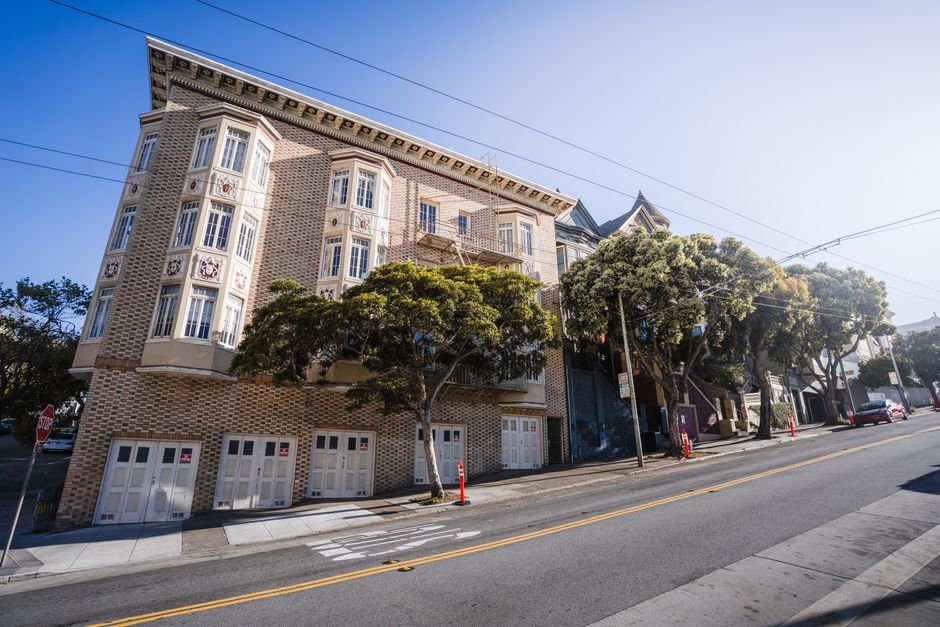
Church Hill is north of downtown, up a hill (you'll notice the name makes sense when you climb it). It's got some of the oldest housing stock in the city, a strong community identity, and the kind of neighborhood attitude that comes from people who actually live there rather than just rent-by-the-night. The commercial strip on Main Street has galleries, cafes, and restaurants that feel earnest rather than calculated. There's a creative undercurrent—musicians, artists—without it being a fully colonized creative neighborhood.
Walkability is good on and near Main Street, gets spottier as you move into the residential core. Safety is similar to Jackson Ward: the commercial area is fine, active, visible. The deeper residential streets are quieter, and I'd be honest that nighttime solitary walking in those blocks requires some street sense. That said, I've spent plenty of time here and never had an incident; most people who live in Church Hill are friendly and protective of the neighborhood's momentum. You'll find nightly rates in the $85 to $135 range, making it cheaper than the Fan. The neighborhood has real character and a less touristy feel than other options.
Manchester: The Warehouse-Conversion Standard
Manchester is south of the James River, in the old warehouse district. It's had the typical gentrification arc: artists moved in when rent was cheap, property values climbed, chains and upscale developers followed. It's now the place where you'll find exposed brick, high ceilings, and the visual grammar of converted-industrial-space. Scott's Addition, just north of here, is similar but less established.
The neighborhood is fairly walkable in patches—the restaurant and bar clusters are compact and easy to navigate. As a solo nighttime environment, it's less consistent than the Fan or downtown. The warehouses, by design, create isolated pockets rather than continuous street life. I'd be cautious about walking dark blocks between destinations, especially if you're alone and unfamiliar. That said, within the active commercial areas, it's fine and frankly fun. There's good food here and a genuine scene without feeling like a tourist trap. Nightly rates are $105 to $155, positioning it in the mid-to-upper range. If you want to be near action but don't mind being slightly removed from the central neighborhoods, Manchester works.

The Practical Stuff: Booking and Moving Around
Book early if you're coming in spring or fall—those seasons fill up. Summer is hot and humid but prices sometimes dip. Winter is mild by Northeast standards and usually cheaper. Airbnb, Vrbo, and local property managers all operate here; I've had good experiences with all three.
Rent a bike or plan to walk, or use the local bus system, which is imperfect but functional for getting around. Most neighborhoods worth staying in are close enough to each other that you can explore multiple blocks without a car. Parking in the Fan and downtown can be a nuisance; if you're driving, confirm off-street parking before you book.
One last thing: Richmond's gentrifying fast. Every time I come back, something has changed. That means new restaurants open, old ones close, and the vibe of neighborhoods shifts. The bones of what I'm describing will hold, but stay flexible and ask locals where they actually go, not what the guidebooks say.