I rolled into Tulsa on a Thursday afternoon expecting the usual oil-town narrative—maybe some art deco, a riverfront walk, done by dinner. But I made the mistake of turning off the main corridor, and three days later I was still finding places that felt like I'd discovered them myself.
The thing about Tulsa is it doesn't try very hard to grab you. Unlike some cities that market their quirks, Tulsa just exists, quietly interesting. You have to want to find it.
The Philbrook Museum Trails (Not the Garden Crowd)
Everyone knows about Philbrook's formal gardens. I get it—they're gorgeous, designed by the same guy who did Central Park, manicured and magazine-ready. But rent a bike or park deeper in the grounds and nobody's really there. The estate's back trails wind through actual native forest restoration work, past sculptures most people miss entirely because they're too busy posing in front of the Italian garden.
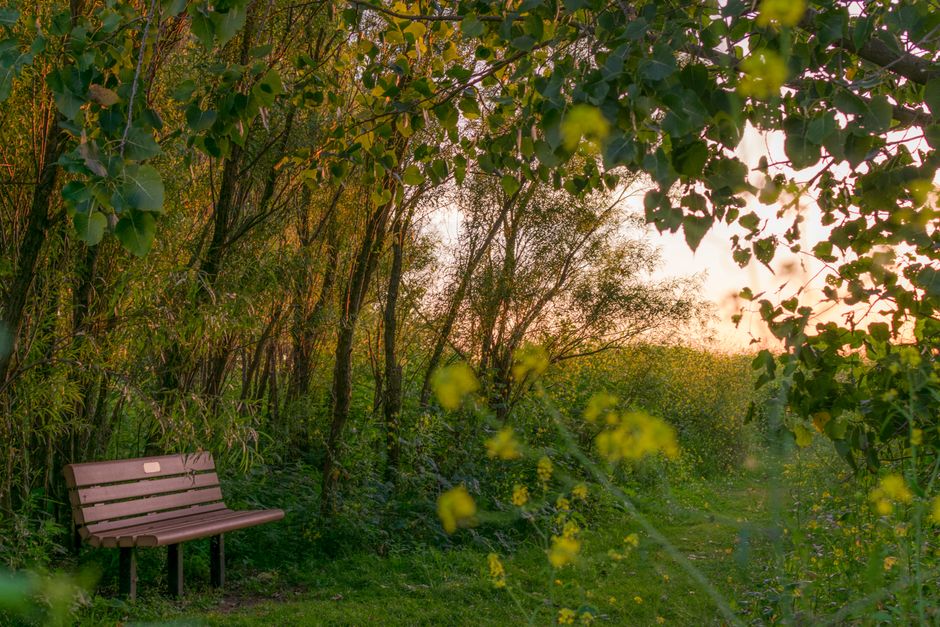
I spent a morning mapping the wooded sections alone. There's a small trail system the gardens maintain that loops past restored tallgrass areas and a creek bed where the light comes through in these long golden bars in late afternoon. The admission covers it all, and you'll be the only person on those paths. Wear decent shoes—it gets muddy—and go early before the tour groups arrive.
The Brady Theater's Balcony (and the Block It's On)
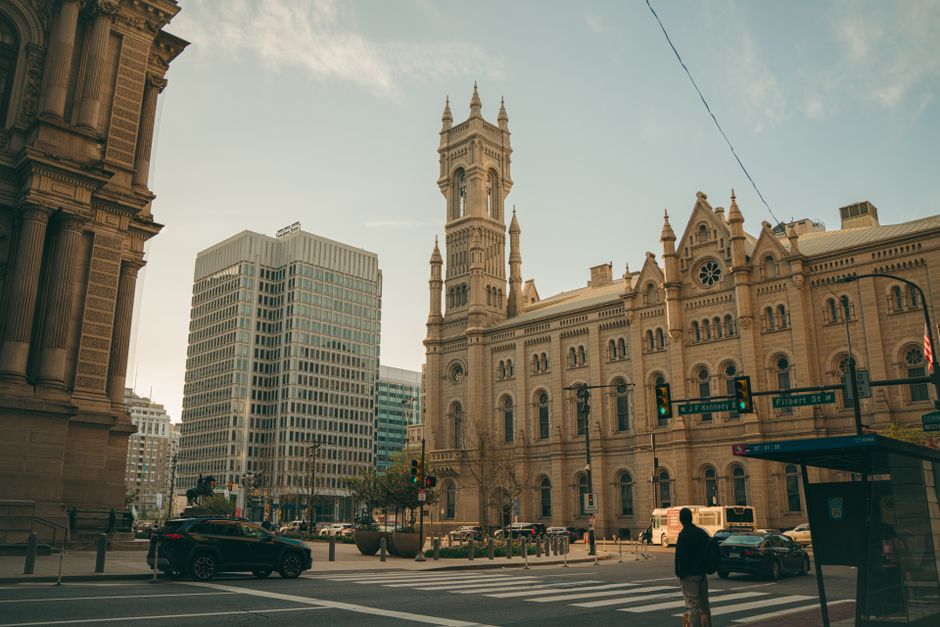
The Brady Theater itself is well-known, a restored art deco palace. But most people see it only if they're catching a show. What I realized is the real story is the surrounding block—Brady Arts District, technically, but it's still finding itself. The theater building's upstairs balcony, if you can convince someone working the box office to let you up, gives you a view of the whole downtown corridor in miniature.
More usefully: wander the blocks immediately around it. There are vintage shops, a genuinely good record store, a small coffee place that's been there for years. One afternoon I found a lot of working artists in converted storefronts. None of this is packaged as a destination. It just is. The people running these places seemed surprised and pleased when I actually came in.
River Parks: The Actual Local Move
The Arkansas River path is there for joggers and dog walkers, and you'll see both. But most tourists stick to the fancy downtown section. If you bike or walk north along the actual park system—there are decent paved paths—you pass through neighborhoods and along quieter stretches where you can actually see the river as something other than a photo op.
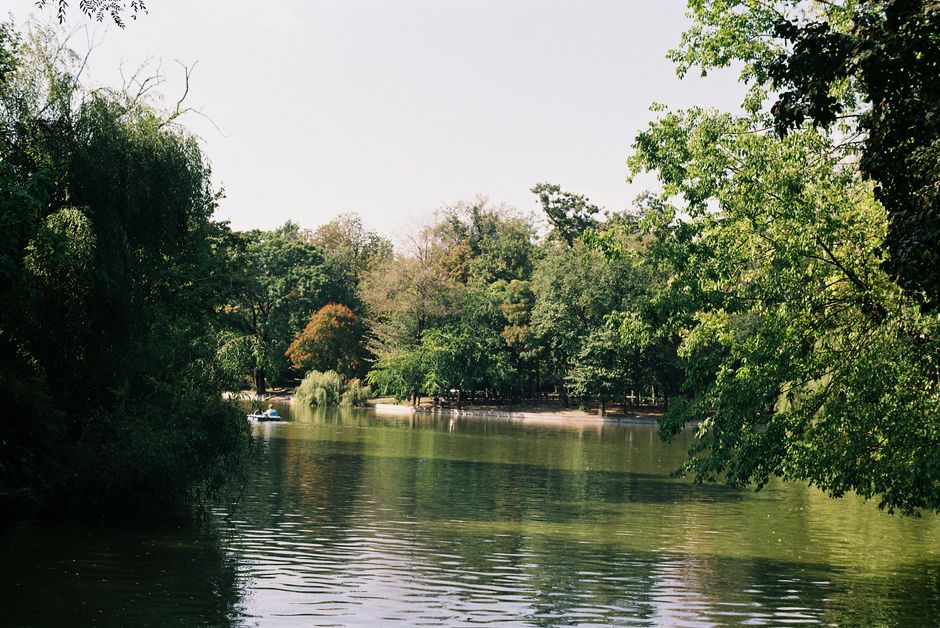
The parks themselves maintain some old shelters and fishing access points that date back decades. There's one section near the 31st Street bridge where the path runs through actual bottomland forest, and the city's done real restoration work. I sat there for an hour watching the light change. Cost you nothing. The parks department has a map online if you want to plan something longer than the tourist loop.
Woody Guthrie Center (For Real)
This one's known locally but bypassed by most visitors who assume it'll be a folk-music museum. It's not, really. It's an archive and exhibition space built around Guthrie's actual papers, manuscripts, and art. The building itself is modern and thoughtfully designed, down to the details—wood from Oklahoma throughout.
But what struck me was how seriously it takes its subject. There's no sentimentality, just genuine historical work. Rotating exhibitions change regularly. When I was there, one focused on Guthrie's visual art practice. The staff will talk to you if you ask questions. It's not crowded. Most people don't know enough about Guthrie to appreciate what's actually in the building, which means you get a genuinely contemplative experience. Reasonable admission, excellent gift shop if that matters to you.
Gathering Place Park and Its Margins
Everyone goes to Gathering Place. Fair enough—it's well-designed, free, and worth your time. But most people grid through the attractions and leave. What I found useful was showing up late in the afternoon when families were filtering out and actually sitting for a while. The park's built into what was industrial riverside before, and they've left some of the older warehouse and bridge infrastructure visible. There's a strange beauty to how the new park design works around and through what was actually there.
The margins are honestly more interesting than the center. Walk the perimeter paths. The north section has better water access and feels less programmed. The reason I'm mentioning this is that you'll understand Tulsa better by understanding what it was overlaying what it is now. The park represents that transition literally.
The Greenwood District: What's Real and What's Not
Okay, I'm being careful here. Greenwood's history is real and heavy—the 1921 destruction, the erasure, the rebuilding. The district itself is currently a mixture of businesses and organizations genuinely rooted in community and some things that feel more recent or transitional. The Greenwood Cultural Center exists, the historical society does important work, there are churches and long-standing businesses.
But don't go looking for a "thriving black Wall Street" if that's code for gentrified entertainment. What you'll actually find is a neighborhood in motion, with real people living actual lives. That's more honest than a curated experience would be. Some of the barbecue is genuinely good. Some family-owned businesses have been there for decades. If you eat somewhere, ask people about the neighborhood. That's where the real story is, not in tourism packaging.
North End: Where Tulsa Actually Eats
The uproar over what to eat in Tulsa is mostly about downtown spots and chains. But the residential neighborhoods northbound—around the university area and past it—have the restaurants locals actually go to. Vietnamese pho shops run by families. A taco counter in a strip mall that makes everything fresh. Indian food from people who actually know what they're doing. Korean restaurants that aren't trying to appeal to broad tastes.
I spent one evening just driving north on Yale and Peoria, looking at signs, reading reviews on my phone, and dropping in wherever seemed genuine. Some places don't have websites. Some don't even have fancy signage. You eat at plastic tables under fluorescent lights and the food is legitimately, straightforwardly good. This is how you find out what a city actually tastes like, not what the tourism board wants you to taste.
The Real Tell: When the Weather's Bad
By my third day, I realized the best way to understand Tulsa wasn't by hitting sites. It was by seeing how people actually spent time when tourists weren't around. I was there when it rained hard for a day. Grocery stores got busy. Small libraries had foot traffic. Coffee places filled with people working on laptops or just sitting. A community center had a basketball game going.
That's Tulsa. A city where people live and work, where the rhythm is set by residents, not visitors. The "hidden gems" aren't really hidden—locals just don't think of them as attractions. They're just where they go. Spending time in those spaces, even just observing, tells you more about a place than any official tour. That's the real reason I stayed longer than I planned.