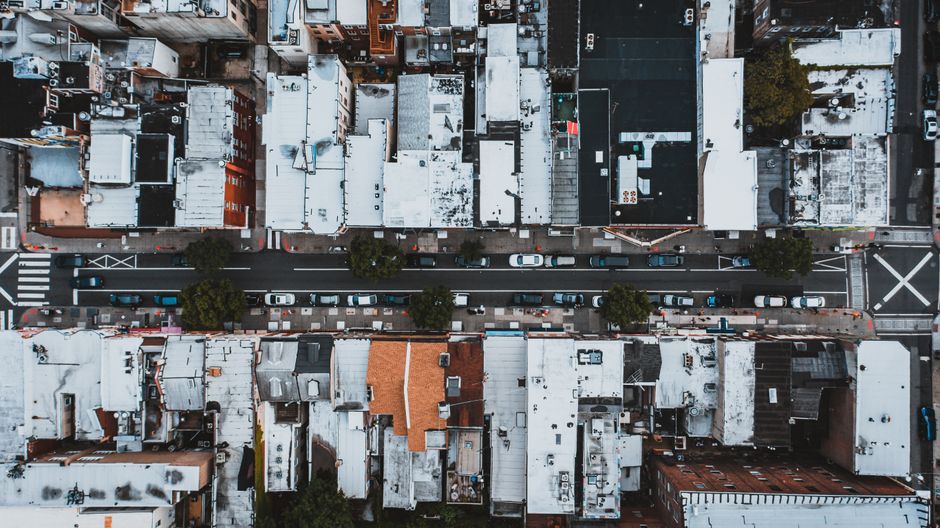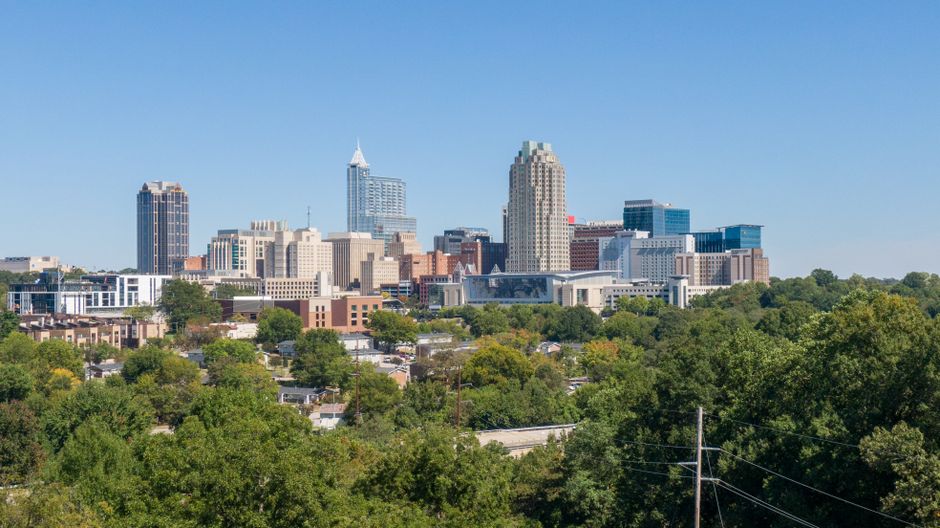
I rolled into Raleigh on a Thursday afternoon expecting the usual state-capital routine—maybe the obvious museums, a walk around some manicured downtown blocks, and out. But after three days of actually living here instead of tour-guiding through here, I realized I'd almost missed what makes this place worth the stop. The tourists cluster around the same five blocks like they're following an invisible rope, which meant I got to see the Raleigh that doesn't advertise itself.
The Research Triangle gets all the startup money and the hype. Fair enough. But Raleigh itself—the actual city, not the brand—has this low-key depth that creeps up on you if you're willing to wander. I spent a lot of time on my own two feet, some wrong turns, a few conversations with locals in coffee shops, and by the end I had a very different idea of what the place is.
Mordecai Historic Park Isn't Your Typical Museum Lawn
Most visitors who hear "historic site" in Raleigh think of something polished and roped off. Mordecai Historic Park sits just north of downtown, and yeah, it's got an old house you can tour—the 1826 Mordecai House, actually. But the real draw is the grounds themselves. There's a Confederate monument (fair warning if that bothers you; it does sit there), but the park is also this genuinely quiet sanctuary with old trees, footpaths, and a graveyard that feels genuinely lived-in, not performed.
I showed up on a weekday morning and had the place almost entirely to myself. The house tour guide was friendly but not overbearing—she told actual stories instead of dates. What got me was the Andrew Johnson birthplace cabin tucked into the same property. Tiny thing, two rooms, and the kind of stark that makes you actually think about history instead of just walking past it. The park's free to walk around; the house tour costs a few bucks if you want it. Most tourists bypass it entirely for downtown museums that charge more and deliver less of a sense of place.

Dix Park's Renovation Is Creating Something Unexpected
Dix Park is technically in the middle of a long-term transformation, and I get why it might not grab headlines. But I wandered through what's open right now and understood why locals are quietly excited about it. The park sits on land that was a state psychiatric hospital for over a century—heavy history, and the city's treating the redevelopment with actual care instead of just bulldozing and building.
What's accessible now includes some walking trails through old-growth forest, a meadow that's actively being restored, and a few heritage buildings you can peek at. It's not finished, and that's kind of the point. There's no polished visitor center, no gift shop. Just trees, paths, and this palpable sense of a neighborhood reclaiming something. The trails connect to the broader greenway system too, so if you're the type who actually uses the legs you came with, you can walk from here for miles. On a clear day you get decent views of the downtown skyline from certain spots, but nobody's marketed that as a viewpoint, so you won't have company.
I'm not saying it's pristine yet. It's a park in progress. But that's exactly why I'd go—it's still raw.
Artspace and the Warehouse Arts District Feel Like Actual Creative Community
Artspace is a working artist live-work building in downtown Raleigh, and it operates with the straightforward ethos that artists should be able to afford to be in the city. On certain weekends they have open studios; if you time it right you can actually walk through and talk to painters, ceramicists, printmakers without it feeling like a tourist cattle run. This is not a curated art experience. This is people's apartments and studios and you're genuinely just visiting.
The surrounding blocks have galleries and small shops that don't cater to the downtown lunch-crowd. Turnage Gallery, Artspace's own gallery space—those kinds of places. I walked in and talked to an actual owner instead of waiting for someone to notice me. The vibe is tired of performing; it's people who actually made the decision to work in art and they're genuinely interested in who walks through the door. There's a coffee culture here that's developed independently of the corporate chains—places where regulars actually know each other.
The area's been gentrifying incrementally for years, which comes with the usual complexities. But right now it still reads as a neighborhood rather than a destination. By the time it's officially a destination, something will probably be lost.
The North Carolina Collection Gallery Is Criminally Undervisited
This is technically part of the main library system, tucked into the N.C. Collection at the public library downtown. I walked past it twice before I went in, and that was purely because I noticed the building's older sections and got curious. Most people don't even know it exists.
What's inside is a rotating collection of art and objects related to North Carolina—everything from historical documents to contemporary photography to furniture. It changes seasonally, and it operates with a kind of curatorial intelligence that doesn't patronize. I spent an hour there and never felt like someone was trying to teach me something; it was more like being invited into someone's careful thinking about what the state actually is beyond the marketing.
It's free. It's quiet. The staff is genuinely knowledgeable without being pushy. I saw maybe three other people the whole time I was there. Compare that to the literal lines of tour groups at whatever the "official" state museum is charging admission for, and you get an idea of what's worth your time.
Whitley's Mill Pond and the Neighborhood Around It
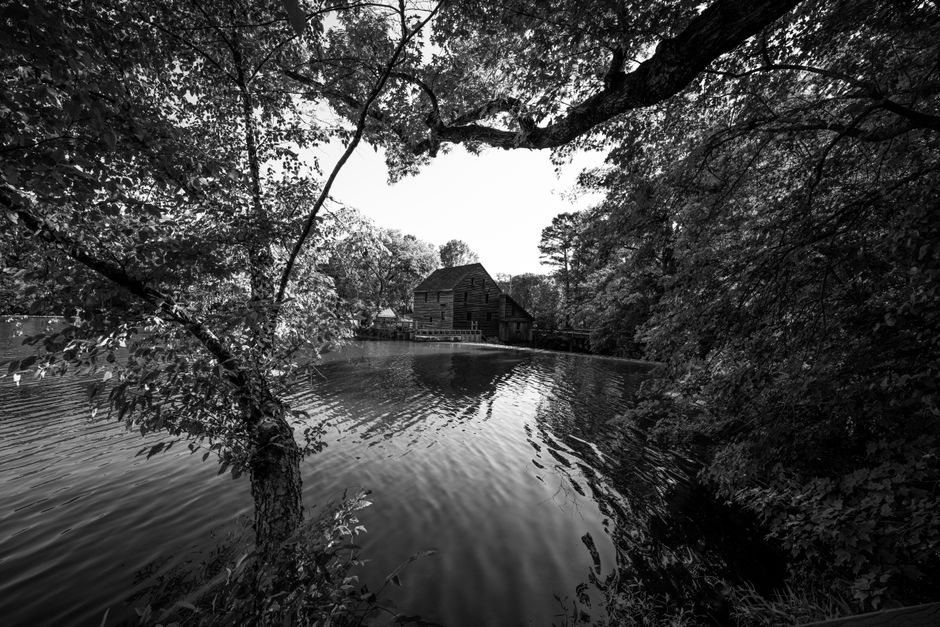
Whitley's Mill Pond sits in the middle of a working neighborhood north of the downtown core—not Instagram-friendly, not marketed, just a pond with trees and a walking path that feels like it belongs to actual residents. I walked there on a random afternoon and it was maybe five people total, all of them locals doing laps or sitting quietly.
The surrounding area is worth exploring on foot too. You're moving through residential Raleigh, which means lower-key shops, neighborhood restaurants that don't make top-ten lists because they're not designed for tourists. I grabbed lunch at a place that didn't have a website, just regulars who ordered before looking at the menu. That's the real city.
Small Neighborhood Bookstores and Used Record Shops
Downtown Raleigh has the obvious independent bookstore, which is fine—solid, busy, does what it does. But in the neighborhoods I found two or three used bookstores that had actual character. One on Fayetteville Street run by someone who clearly has opinions about what books matter. Not precious about it, just careful. Their fiction section is a genuine reflection of taste rather than an algorithm's best guess.
There's also a record store culture here that's genuinely thriving. Places where people actually browse, actually know what they're buying, actually talk to the owner. These aren't destinations for collectors making pilgrimages; they're just embedded in the fabric of how locals spend Saturday afternoons. If you're the type who collects music or books, you'll find exactly the kind of place that makes you feel like you've discovered something rather than consumed something.
The point isn't that these places are hidden. Locals know them. The point is they're not packaged as tourist experiences, so most visitors never realize they're there.
Walking Raleigh Itself, If You Skip the Plan
Here's the thing about actually spending time in Raleigh: it's a city that rewards wandering more than it rewards strategy. I showed up with a list and dumped it halfway through. I'd rather have stumbled into neighborhoods, stopped for coffee where I felt like it, taken turns that looked interesting.
The downtown core is fine. Fayetteville Street has restaurants and shops. Moore Square has history. But the real character lives in the blocks immediately surrounding the obvious routes. The tree-lined residential areas. The small storefronts that predate the chain arrival. The parks that exist for residents, not tourists.
Raleigh's not performing for you. That's actually the whole appeal if you're willing to work for it. Bring comfortable shoes. Leave the guidebook at the hotel. Talk to people. That's how you find what's actually worth your time.