I rolled into Raleigh on a Tuesday evening after driving through Virginia, and the first thing I noticed was how much the city's changed in the last few years. There's actual energy here now. Not the kind that feels borrowed from somewhere else, but genuine—breweries, new restaurants, people on the sidewalks. That said, staying in the wrong neighborhood can kill a visit fast. You want a place where you can walk to dinner, maybe grab a drink without feeling stupid about it, but also sleep past 8 a.m. without a bass line rattling your skull.
Airbnb in Raleigh tends to be cheaper than what you'd pay in Charlotte or Charlotte, and you get actual character if you know where to look. I've stayed in five different neighborhoods here over the past couple years, and I've got a clear sense of which ones actually make sense for a visitor. The sprawl is real in Raleigh—I-40 and I-95 have carved the place up—but stay in the right pocket and you won't spend half your trip in traffic.
Downtown Raleigh: Walk to Everything, Deal With the Noise
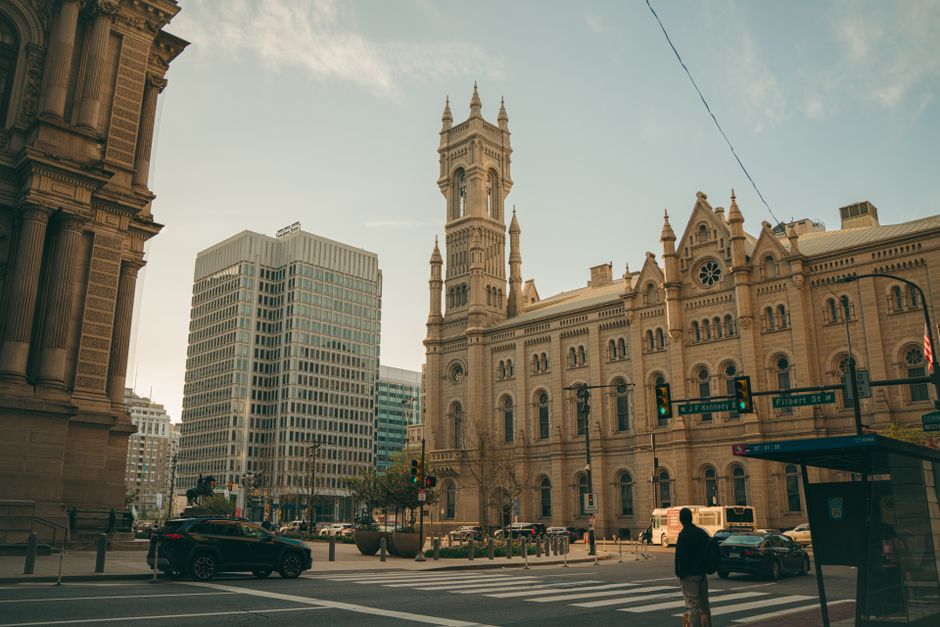
Downtown is the obvious choice, and for good reason. Fayetteville Street is the spine—bars, restaurants, galleries, the occasional live music venue. If you grab a place within two blocks of the old warehouse district, you're close to everything worth doing after dark. Piedmont Restaurant Group runs about half the serious places to eat, but there's enough independent spots scattered around that you won't feel like you're at a mall.
The problem is noise and foot traffic if you're staying directly on Fayetteville or the blocks immediately around it. Wednesday and Thursday nights aren't too bad. Friday and Saturday can get rowdy. The energy is good, not dangerous, but it's definitely not quiet. The neighborhood itself is safe—I've walked around at midnight without incident, and I've talked to other travelers who say the same. What you're paying for is convenience, not peace.
Expect to spend $110 to $180 a night for a decent one-bedroom apartment. You're paying premium because you don't need a car and everything is fifteen minutes on foot. The Warehouse District south of Morgan Street has some newer conversions that are quieter than Fayetteville proper, still walkable, still central.
Glenwood South: Nightlife Without the Downtown Grind
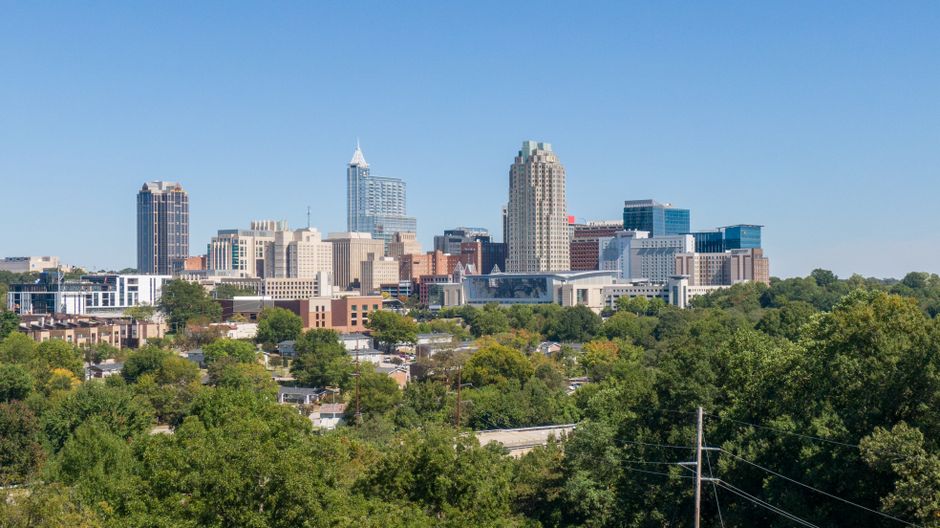
Glenwood South is downtown's younger, slightly rowdier sibling. It's five minutes north of Fayetteville, built around the old streetcar line, and it's where people actually go to drink. Taps, underground-style bars, craft cocktail places, late-night food trucks. The walkability is excellent—you can cover the main drag in twenty minutes on foot.
Safety-wise, it's fine. Well-lit, police presence, foot traffic keeps it feeling active. But this is the neighborhood's whole identity: bars and restaurants. If you're here to rage, it's perfect. If you want quiet, this is a hard pass, especially Thursday through Saturday. Sunday through Wednesday it settles down considerably, and you can actually enjoy the walk without dodging bro-pack energy.
Nightly rates run $90 to $150 for a one-bedroom. It's slightly cheaper than downtown because the apartments themselves tend to be smaller, and you're paying for proximity to bars, not real estate quality. Parking can be annoying—street parking exists but it's tight. Best neighborhoods for this are the blocks immediately south and west of Glenwood Avenue itself, where you get the walkability without being directly above a bar.
Hayes Barton: Quiet But Walking-Distance Real
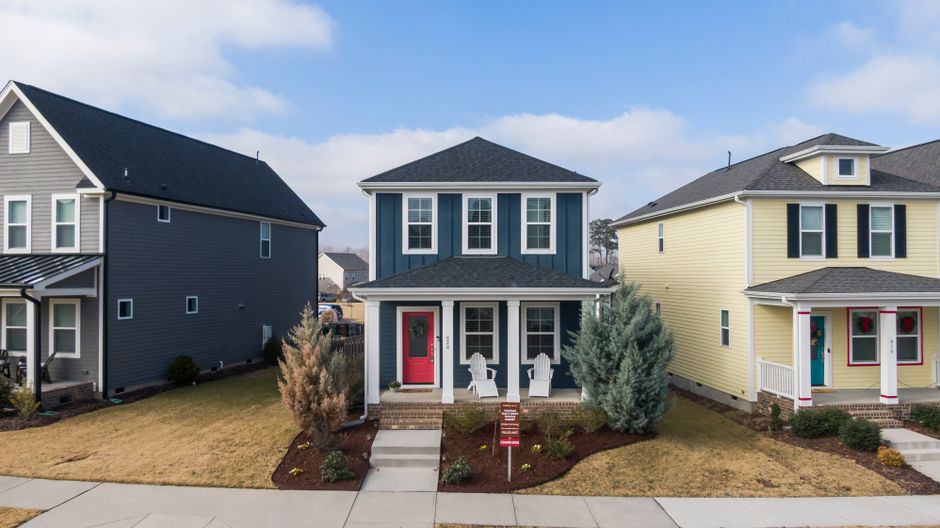
Hayes Barton is the neighborhood I'd recommend to someone who actually wants to live like a local rather than perform being a tourist. It's southeast of downtown—roughly ten to fifteen minutes by foot depending on exactly where you're staying. Old houses, tree-lined streets, that neighborhood feel. There's a decent cluster of small restaurants and cafes, but it's not a neon strip. Witch Hazel Cafe, a few breakfast spots, couple wine bars. You walk to them if you want to. You don't if you don't.
The walkability is good but not perfect. You can hit the commercial core on foot, but getting downtown takes a walk or a quick Uber. Safety is very solid—this is a residential neighborhood with families, long-time residents, the kind of place where people know each other. Quiet is the operative word. You won't hear much after 10 p.m. except the occasional car. That's the appeal for people who actually want to rest.
Nightly rates are $85 to $130, which is notably cheaper than downtown or Glenwood South. You're getting genuine neighborhood feel, far fewer tourists, real restaurants that aren't trying to be viral. The trade-off is you need to be comfortable using a car or Uber for some outings, though honestly, most visitors I've talked to found they preferred it. The neighborhood just feels less exhausting.

Cameron Park: Walkable Charm, Without Trying So Hard
Cameron Park sits just northeast of downtown, and it's got a similar bones to Hayes Barton—old houses, tree-lined streets, established neighborhood texture—but it feels slightly more connected to downtown action. You can walk to Fayetteville Street in about fifteen minutes. There's a cluster of local restaurants and coffee shops that have emerged over the past few years without the neighborhood losing its residential character.
Walkability is very good for what it is. The neighborhood isn't a destination in itself the way downtown is, but it's a real place. Safety is solid, quiet is real, and you're not packed in with other tourists. It's where you'd stay if you wanted to visit downtown at night but actually rest during the day. The vibe feels like people live there because they want to, not because it's trendy.
Expect $80 to $120 a night. It's cheaper than downtown or Glenwood South because demand is lower, but the actual quality of life while you're there might be higher, depending on what you want. Parking is easier than downtown. The neighborhood is genuinely quiet at night. If you can't walk to every single activity, but you're willing to walk some and drive some, this is probably the sweet spot for most visitors.
North Carolina State and Wake Forest Area: College Energy, Worth Knowing
This isn't one neighborhood, but rather a zone. The areas around NC State (west campus on Hillsborough Street and nearby) and Wake Forest (north of downtown) both have Airbnb availability and they both carry that college-town energy. Hillsborough Street specifically has bars, restaurants, and that particular kind of Thursday-night chaos that college towns specialize in. It's younger, louder, but weirdly honest about what it is.
Walkability on Hillsborough is excellent. Safety is fine—it's a university area, so police presence is heavy. The quietness calculation depends entirely on which block you pick. Some places are on main streets and you'll get noise. Back streets are peaceful. It feels less touristy than downtown because most people staying here aren't tourists—they're visiting students or alumni or people who actually need to be near campus.
Nightly rates are typically $75 to $110, the cheapest in this list. You're trading proximity to Raleigh's downtown attractions for a younger crowd and more of a college-town feel. It's worth considering if you're visiting someone at NC State or if you're just looking to save money and don't mind the occasional loud night.

Practical Things Before You Book
Parking is real in Raleigh but not as brutal as a major city. Downtown and Glenwood South have street parking and paid lots. Hayes Barton and Cameron Park have street parking that's usually easier. The NC State/Hillsborough area depends on the block, but there's always something. If you're getting an Airbnb, ask about parking specifically—some places have dedicated spots, some don't. It matters more than listings always admit.
Raleigh's walkability is improving but it's still a car city at heart. That said, most of these neighborhoods have enough restaurants, bars, and coffee shops within reasonable walking distance that you can operate without a car if you're willing to Uber occasionally. The weather from June through September is hot and humid in a way that makes walking less appealing at midday. Spring and fall are genuinely lovely. Winter is fine—rarely cold enough to be miserable.
Last thing: book through a neighborhood host if you can, someone who's lived there. They usually have better recommendations about where to actually go and what's worth your time. The algorithm doesn't know that a random taco spot three blocks away is better than the obvious tourist trap. A person who actually lives there does.