I spent three days in Santa Fe thinking I'd seen the city. The Plaza, Canyon Road, the Georgia O'Keeffe Museum—all perfectly fine, all perfectly crowded. On day four I got genuinely lost walking south from the capitol building and found myself in a residential neighborhood with adobe walls the color of dried apricots. That's when the city actually started making sense.
Santa Fe has a reputation for being precious, overpriced, and built for people with second homes. That's not entirely wrong. But once you stop following the walking-tour maps, you find something closer to the real place underneath—quieter museums, better food shops, parks where you won't trip over tripods and selfie sticks.
Meow Wolf's House of Eternal Return (But Actually Get There Early)
Everyone's heard of Meow Wolf by now. The interactive art museum gets written up in national magazines, and yes, it deserves some of that attention—it's genuinely strange and creative, the kind of place where you might walk into a giant mouth or find a secret room behind a refrigerator. The trick is showing up when it opens, which means getting there before 10 a.m. if you want to actually experience it rather than shuffle through crowds.
I went on a Wednesday morning and spent two hours being genuinely disoriented by the thing, which seems to be the point. The House of Eternal Return is intentionally labyrinthine—you can spend as little or as much time as you want. Most people seem to rush through it trying to photograph everything. Don't do that. Just get lost. The admission isn't cheap, but it's one of the few experiences in Santa Fe that actually lives up to the hype if you time it right.
Bandelier National Monument (The Hikes Most Tourists Skip)
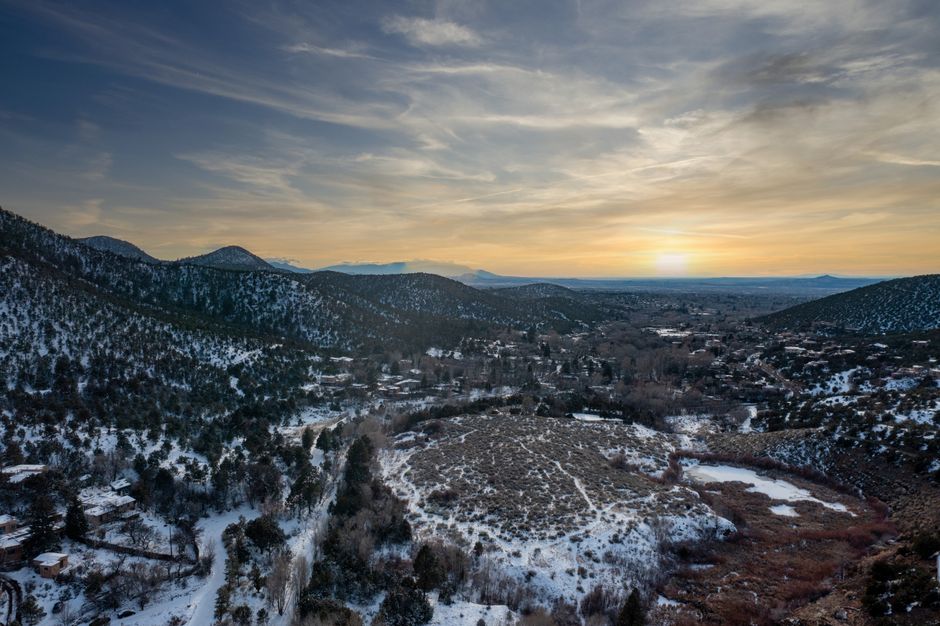
I watched a lot of people walk to the front trail at Bandelier, take a few photos of the cliff dwellings, and leave within an hour. That's fine, but you're missing the actual park. The main path to Ceremonial Cave is walkable for most fitness levels and gives you real proximity to 12th-century pueblo culture—actual cliff structures you can enter, not just view. It's crowded by midday but worth the early-morning effort.
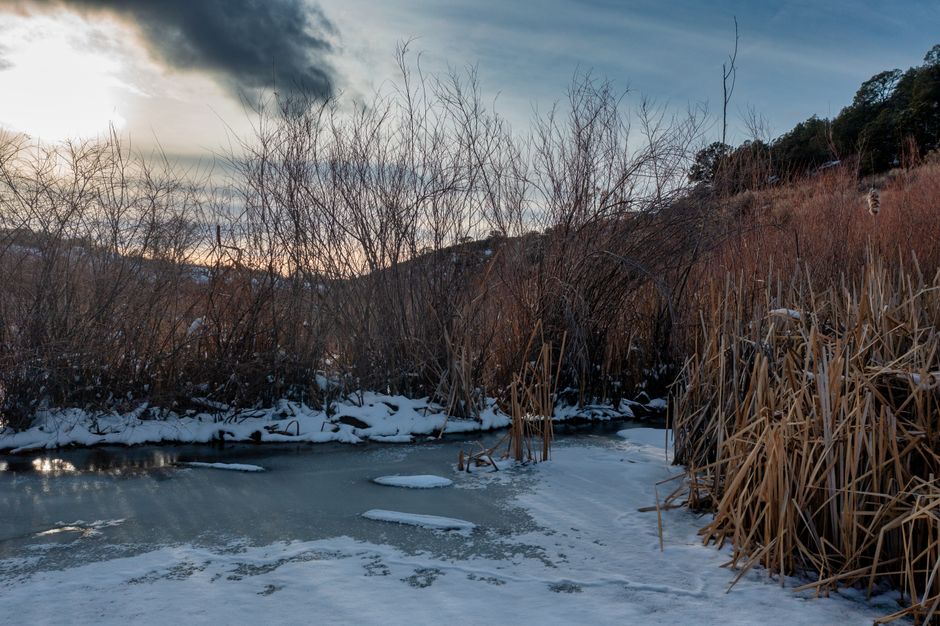
What really surprised me was the longer loop trail, the one most tourists don't take. It runs along the canyon floor, crosses Frijoles Creek a few times, and gets you away from the school groups and guided tours. The canyon itself is the draw—ponderosa pines, the sound of water, and almost nobody around. Park entrance is maybe 45 minutes south of Santa Fe, and yeah, you need a car. But if you're in town with a flexible schedule, it's a better investment than another hour browsing Canyon Road galleries.
The Railyard District (And the Restaurants People Actually Talk About)
The Railyard isn't exactly undiscovered—locals will tell you about it—but most tourists miss it entirely in favor of the Plaza. It's south of downtown, built on what used to be an actual rail yard, now a loose grid of art galleries, shops, and restaurants with actual character. The physical space is pleasant, nothing fancy, just working artists and people who've chosen to be here for reasons other than real estate appreciation.
Chocolate Maven is the bakery to know, not because it's fancy but because the brownies are legitimately good and the coffee isn't pretentious. Sugar Nymphs Bistro does straightforward food well. But mostly it's worth wandering—there are good small galleries, the kinds of places where you might actually buy something because it appeals to you rather than because the price tag makes it feel significant. The Santa Fe Farmers Market happens here on Saturdays and is real in a way the downtown version often isn't.
El Rancho Hotel (If You Want to Sleep Somewhere with Actual History)
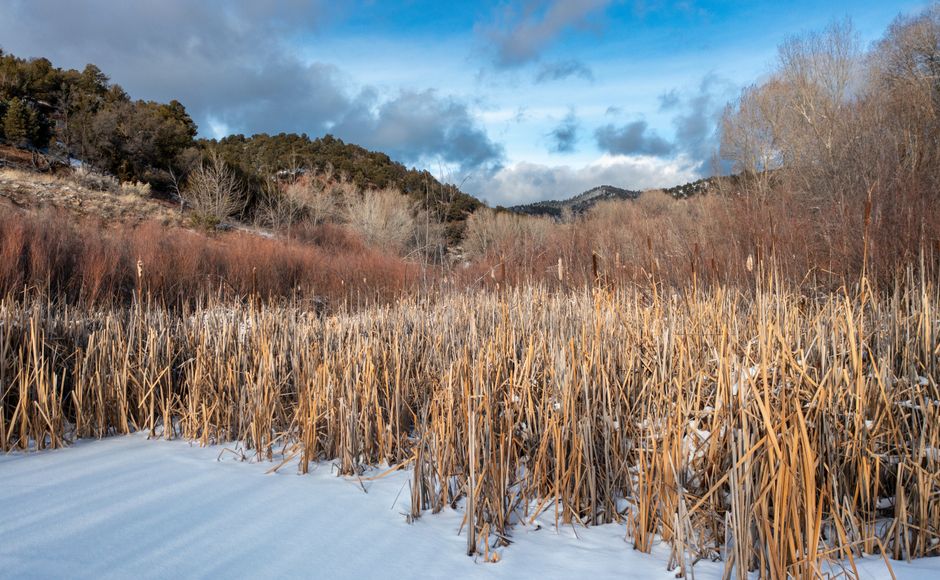
Santa Fe hotels are either aggressively expensive or aggressively generic. El Rancho, about 30 minutes north in Española, sits in a weird middle ground that actually works. It's a 1960s roadside motel styled like a Western lodge—the kind of place that wouldn't win any design awards but feels honest in a way downtown Santa Fe doesn't. I stayed there one night and spent it reading old Westerns in a room with southwestern blankets and decent plumbing.
The place does breakfast decently and has a restaurant that handles local food without pretense. It's not luxurious; it's definitely worn. But there's something refreshing about that. If you're just using Santa Fe as a home base and want to save $100-150 a night, this is the move. Plus Española itself is worth 30 minutes of poking around—it's the actual Rio Grande Valley, not a preserved tourist version of it.
Museum of International Folk Art (The Museum Nobody Lines Up For)
I walked into this place expecting another quiet regional museum and instead found myself spending hours looking at folk textiles from Peru, retablos from Mexico, Russian icons, and about fifteen thousand other objects collected with genuine care. It's the second-largest folk art museum in the world, which means almost nothing to you as a tourist, which means nobody visits.
The building itself is pleasant but not Instagram-bait—low ceilings, natural light, the kind of architecture that gets out of the way. The cost is reasonable. And because it's not a destination museum, you don't feel rushed. I took notes on things I wanted to remember. I sat on benches. I actually looked at things instead of triangulating camera angles. If you care even slightly about textiles, ceramics, or how people decorate their homes across cultures, this is worth an hour or two. If you don't care about any of that, probably skip it. But if you do, it's the best museum experience I had in Santa Fe, by a distance.
Agua Fria Village (The Part of Town That Actually Feels Like a Place)
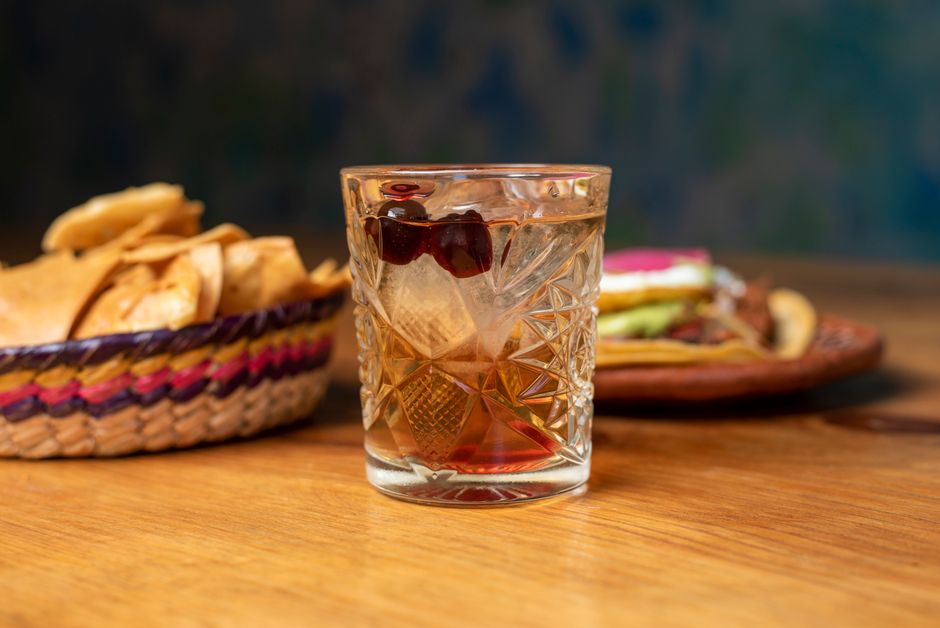
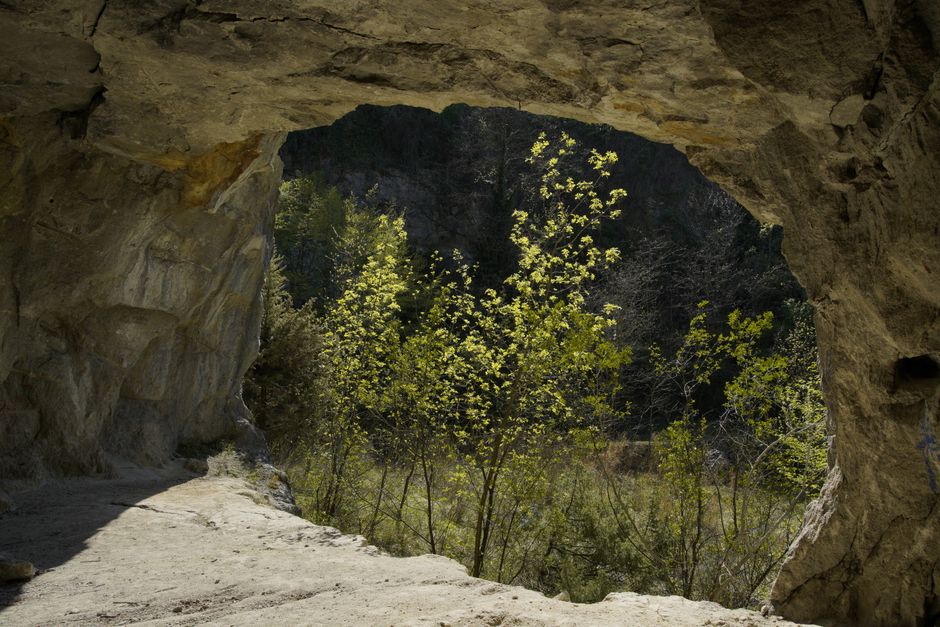
Southwest of downtown, below the railroad tracks, there's a neighborhood that barely registers as a tourist destination. It's where working artists actually have studios, where rents haven't completely decoupled from human income, where there are actual bars where you might run into locals rather than carefully curated hospitality experiences. I had a margarita at a place called Gypsy Alley that was so straightforward—good tequila, lime juice, maybe some orange liqueur—that it felt like a small miracle after days of cocktails that cost sixteen dollars and came with explained flavor profiles.
The galleries here are actual galleries, places where people show work because they want to, not because a real estate developer decided a neighborhood needed cultural cachet. There's Alo Apothecary, which is a working herbalist space that sells teas and tinctures; there's a small pottery studio where you can usually find someone working. It's about fifteen minutes from the Plaza but feels like you've entered a completely different city. That's the point, and I'd recommend it if you're spending more than two days here.
The Real Takeaway
Santa Fe works fine if you stick to the official route—museums, galleries, good restaurants, the architectural coherence of the Plaza area. But the city gets interesting when you notice the neighborhoods beyond the walking tours, when you're willing to spend $8 on a really good pastry instead of $16 on a cocktail, when you walk into a museum not because it's supposed to be good but because you're curious what's inside.
That doesn't require secret knowledge or special connections. Just a willingness to get a little lost, to show up early to popular places, to spend time in the parts of town that don't look like someone designed them for visitors. That's where you find why people actually live here.