I rolled into Tucson on a Tuesday afternoon expecting the usual desert-tourism routine: Mission San Xavier, maybe a drive up Mount Lemmon. Instead, I got lost trying to find a decent coffee in the Catalina Foothills and stumbled into what the city actually is when the tour buses aren't running.
The thing about Tucson is that it doesn't perform. It's not trying to be Phoenix or even a cooler version of itself. What surprised me most wasn't some secret Instagram spot—it's that the best parts of this place are just… normal neighborhoods and parks where locals spend their time. After a week of wandering, I stopped looking for gems and started noticing where people actually live.
Sabino Canyon's Quieter Trail
Everyone knows about Sabino Canyon—the tram ride up the canyon is kind of the de facto Tucson attraction. But most visitors don't leave the main tramway area. The Bear Canyon Trail, which branches off from the upper reaches of Sabino, is where you go if you want to see the canyon without the crowds.
The trailhead itself is a short walk from the upper tram stop, and the path winds through sycamore groves and alongside a smaller creek. In early morning or late afternoon, you'll see Gila monsters sunning on the rocks and hear canyon wrens echoing off the walls. It's not remote—you're still in a maintained park—but the difference between the crowded canyon floor and this trail is stark. Bring water and good shoes. The rocks are uneven and the trail narrows in spots, but if you're actually looking to move your legs instead of just check a box, this works.
Colossal Cave Mountain Park
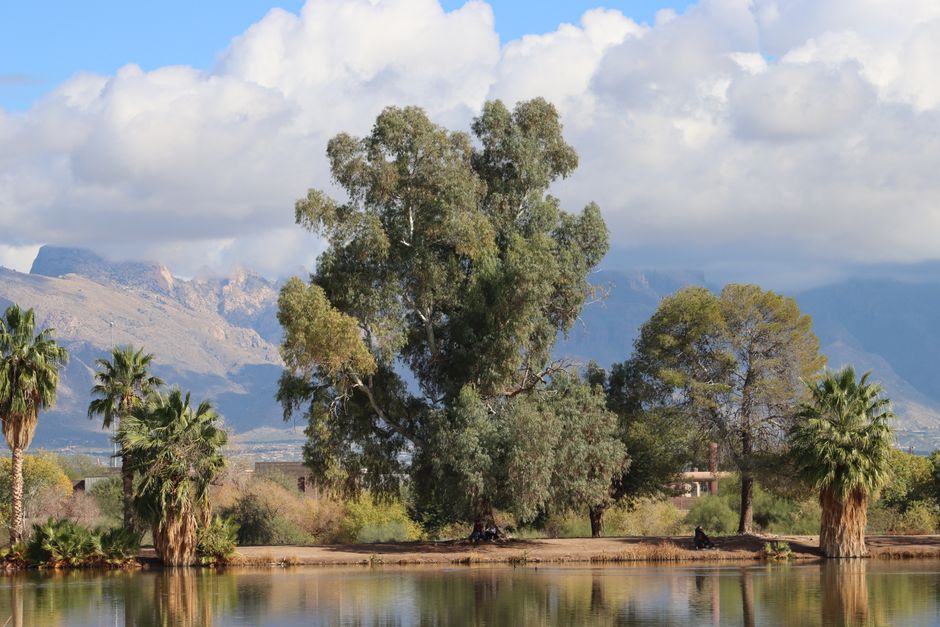
North of the city, off Saguaro National Park's east side, sits Colossal Cave—a genuine cavern with a real history instead of manufactured tourist infrastructure. The cave was used as a hideout by bandits in the 1880s, and the park's guided tour emphasizes actual geology rather than theatrical lighting.
What makes it worth the drive out there is the surrounding park itself. There are trails that loop around the cave area with views over the grasslands toward the Rincon Mountains. I hiked the trails before taking the cave tour and found them almost entirely empty even on a weekend. The cave tour is about an hour and moves at a reasonable pace. The rangers know their material and aren't performing—they're answering questions. The whole experience feels like something a place would have for its own people, not something designed by committee for out-of-state visitors.
The Neighborhoods Worth Walking Through
Skip downtown Tucson's tourist rows and walk through the neighborhoods that don't get mentioned in visitor guides. The Warehouse District, north of downtown, has galleries and small shops in converted industrial spaces—nothing polished, mostly working artists and local makers. I found a print studio there run by a woman who designs work about Arizona's water crisis. A coffee roastery that sources from specific farms. These aren't cutesy; they're functional businesses that happen to be where creative people work.
The Sam Hughes neighborhood, just south of the university, is early-20th-century residential Tucson—tree-lined streets, old homes, parks without facilities. It's where students and young faculty live, which means it has good cheap food spots and a used bookstore that actually organizes its stock. Walk through there on a Saturday morning and you're seeing how Tucson lives, not how it's been packaged for tourism.
If you go to Barrio Viejo, the historic neighborhood south of downtown, skip the heavily marked historic district boundary and just walk the streets around it. The architecture is the same—adobe and brick row houses from the territorial era—but it's less curated. You'll see actual residents, working gardens, and a different sense of what the area is.
Pima Air & Space Museum (But Off-Peak)
This museum gets mentioned in tourist guides but people usually visit during peak hours and leave frustrated. Go on a weekday afternoon in the off-season—say, July or August when it's too hot for most visitors—and it becomes a completely different experience.
The collection is substantial: vintage military aircraft, spacecraft, commercial aviation history. But what matters more is that on a quiet day, you move through it at your own pace. There's rarely a crowd in front of any single plane, so you can actually look. The docents, retired Air Force and commercial pilots mostly, will talk your ear off if you show genuine interest instead of rushing through.
I spent three hours there and could've spent more. The museum has two locations—the main one and a storage/restoration facility across the street that sometimes opens for self-guided tours. Check their schedule before you go. And don't eat in the cafeteria unless you have no choice; there are better options nearby.
Gates Pass and the Sunset Viewpoint Nobody Knows About
Everyone talks about sunset at Arizona-Sonora Desert Museum, but that's full and expensive if all you want is a view. Gates Pass, just west of the city, is where locals go to watch the light change over the valley and mountains. It's a scenic pull-off along a road that winds through the foothills—a few parking spots, a short walk to the overlook.
The light here is genuinely different depending on the season and time. In summer, the monsoon clouds build in ways that turn the sky purple and orange. Winter sunsets are long and slow. Go early enough to watch the valley floor change color as the sun moves. There's almost never a crowd because it's not marketed, not posted on Instagram constantly, not in the official tourism material.
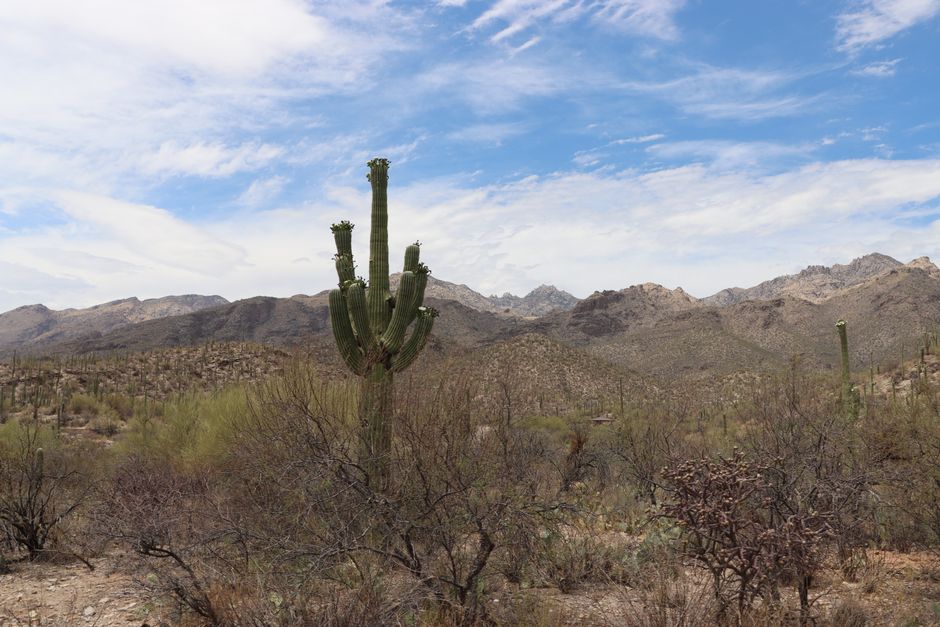
Five minutes from the overlook parking, if you're interested, is the Arizona-Sonora Desert Museum boundary trail—a free, self-guided walk that mirrors parts of the paid museum's trails. It's not the same as being inside with all the exhibits and infrastructure, but it gives you real desert and legitimate saguaro groves without spending $25.
Local Eating and Drinking
The restaurant scene in Tucson is regional Mexican food, mostly done well and honestly. Skip the touristy spots on the main drags. South Fourth Street has smaller, older places where the clientele is actual Tucson—construction workers, families, service-industry people on their day off. You'll find better sopapillas and carne asada than you'll get anywhere curated.
For something less obvious, there's a small brewery culture that grew up without becoming trendy. Places like Borderlands Brewing and some of the smaller operations don't feel designed for Instagram; they feel like places where people drink. The beer is good, the crowds are local, and nobody's doing anything performative.
On the coffee front, look for Exo Roasters on Mountain Avenue, Raven Cafe in the Old Pueblo Brewery complex, or smaller roasters in neighborhoods you'll stumble through walking. Tucson's coffee scene is quiet but real—people who take it seriously without being pretentious about it.
Practical Notes and a Real Warning
Heat is the actual limiting factor for visiting Tucson, not safety or amenities. If you come in summer, you move early and late. That's not a limitation—it's just how the place functions. Use it as an excuse to slow down.
Water is genuinely scarce in the region. Use what you use. It's not something to be self-righteous about; it's just a fact about the landscape you're moving through.
The roads to Sabino Canyon and Colossal Cave are fine, and you don't need a special vehicle, but pay attention to parking and drive respectfully on the approaches. Flash floods are possible during monsoon season (July-September), so don't ignore weather warnings.