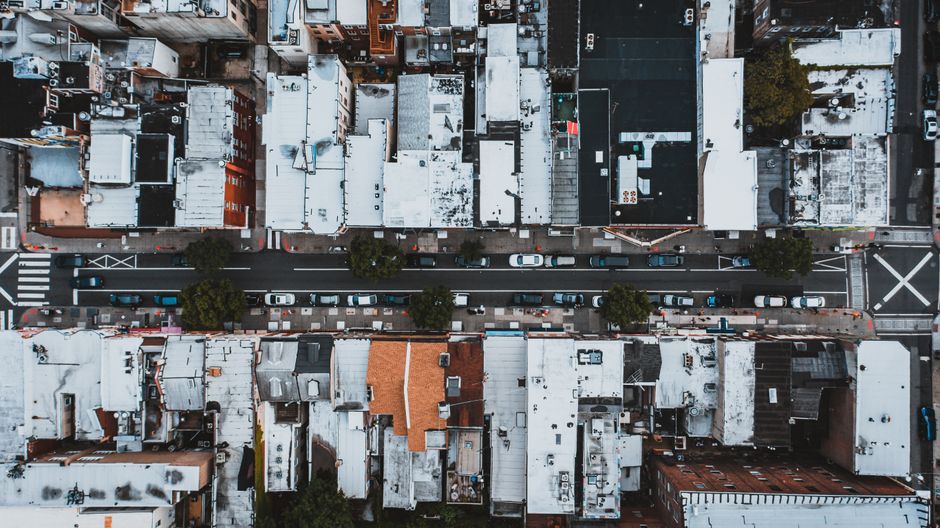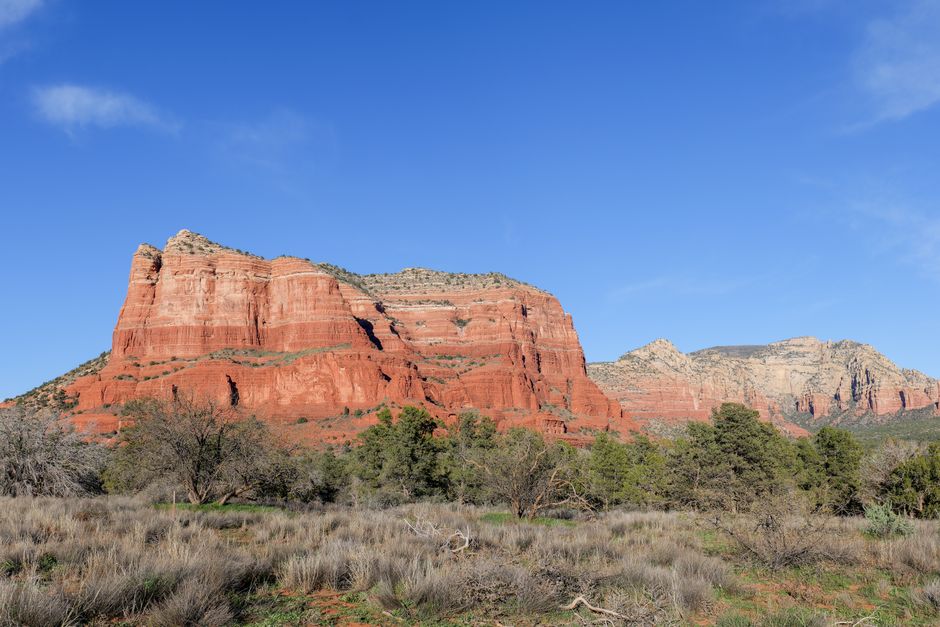
I rolled into Tucson on a Friday afternoon expecting to spend the weekend exploring downtown and maybe catching a sunset from one of the nearby foothills. By Saturday morning, I'd realized that a long weekend in the Old Pueblo meant exactly that—a weekend where you don't have to stay put. The city sits in a weird sweet spot: close enough to high mountains, old mining towns, and quirky desert communities that you can slip out for a full day and be back by dinner without feeling like you wasted half your time driving.
The thing about Tucson as a base is that it's surrounded by actual stuff worth seeing. Not tourist-trap stuff. Real desert towns with histories, mountains where it's actually cool, and landscapes that change dramatically every 30 minutes or so. I spent a few days testing the most worth-it day trips—the ones where the drive doesn't eat the entire experience and the payoff is real.
Bisbee: Weird, Hilly, and Full of Art
Bisbee is roughly 90 minutes southeast of Tucson, and it's the kind of place where you immediately understand why people move there and never leave. This former mining town has turned itself into a genuine arts and counterculture hub without feeling entirely manufactured. The streets are steep and narrow, the buildings are painted bright colors, and you'll find galleries, vintage shops, and oddball cafes tucked into old storefronts.
I spent a good four hours there on a Saturday and barely scratched the surface. The Queen Mine Tour takes you 1,500 feet underground into an actual copper mine—it's claustrophobic in places and genuinely interesting if you care about how people extracted ore from the earth by hand. If that doesn't appeal to you, skip it and just walk the town. The Cochise County Courthouse is a solid example of old Territorial architecture. There are decent restaurants and bars scattered around. The vibe is equal parts art scene and working-class grit, which somehow works.
Bisbee can feel crowded on weekends, especially Saturdays. If you can swing a Friday or weekday trip, the town breathes a little easier. Parking is tight and street-level, so arrive early or expect to hunt. Spring and fall are ideal—summer gets hot even at Bisbee's slightly elevated perch, and winter can mean occasional fog that mutes the whole experience.
Montaña: Cool Air and Views
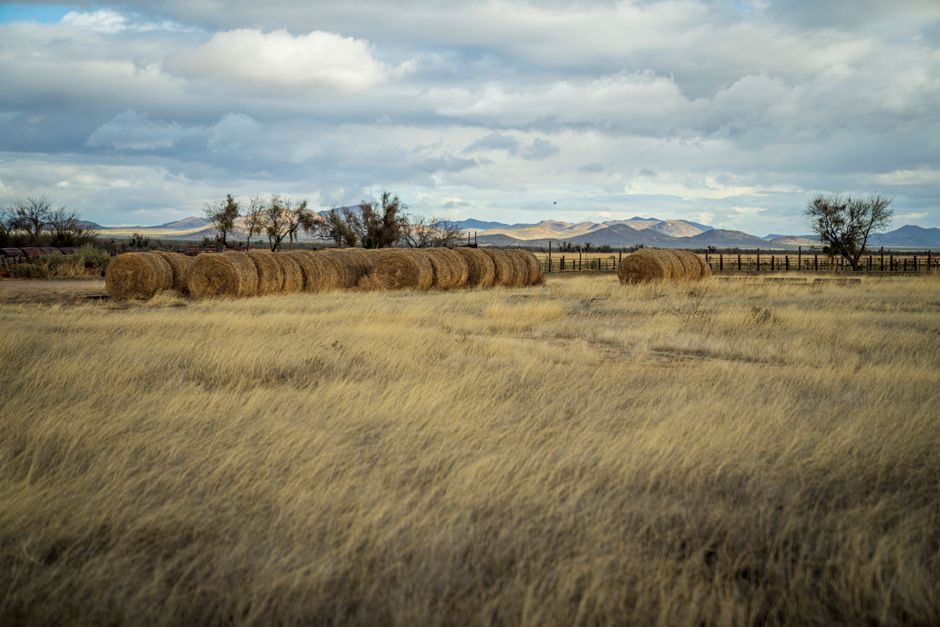
Mount Lemmon sits about 45 minutes northeast of Tucson, and the drive up the mountain is the whole point. You climb out of the Sonoran Desert and into actual pine forest, elevation gain that feels almost surreal when you've been living in the low desert. The temperature drop is dramatic—often 15-20 degrees cooler than Tucson proper.
In warmer months, the main attraction is hiking. The trails up there are solid: varied terrain, good shade when you need it, and views that don't require you to wake up at 4 a.m. Marshall Loop is a popular choice if you want something moderate and scenic. There's also a paved trail system if you're looking for something easier. In winter, there's actually skiing at Mount Lemmon Ski Resort—not world-class stuff, but legitimate snow and actual ski runs if the season cooperates.
Summit Camp, a restaurant near the top, serves decent burgers and sandwiches. It's the kind of place where you eat on a deck with views of the bajada stretched out below. The scenery alone is worth the drive, especially if Tucson has been baking you. The ride up the canyon is cool even when you're not stopping—wildflowers in spring, oak trees and cooler air year-round. Go on a weekday if possible; weekends can get busy, especially at the more popular trailheads.
Patagonia: Small Town, Big Birding
Patagonia is about an hour south of Tucson, and it's tiny—the kind of place where you could walk the whole downtown in 20 minutes if you moved fast. But it's become known as a legitimate birding destination, partly because of Patagonia Lake State Park and the riparian habitat that attracts serious species chasers.
You don't have to be a bird person to enjoy it. The lake itself is pleasant: you can rent a kayak or just sit by the water. The town has a few good casual restaurants and shops. There's a community-run gallery space that often has local art worth looking at. What I appreciated about Patagonia was that it felt unhurried without feeling empty. People actually live there. It's not a theme-park version of a small town.
If you're serious about birding, bring binoculars and maybe a guide or a field app on your phone. The Sonoita Creek Preserve, managed by The Nature Conservancy, is where the serious birders congregate. Patagonia Lake State Park charges a small day-use fee and has picnic areas if you want to eat by the water. Fall migration (September through November) brings the most species variety. Summer can be hot even here, and winter is mild—both are fine, just different experiences. Weekends draw more visitors, but the town is small enough that it never feels crowded.
Kartchner Caverns: Underground and Strange
Kartchner Caverns State Park is about an hour and 15 minutes south of Tucson, and it's one of those Arizona attractions that sounds touristy but actually delivers. This is a living cave system—not an old mine or a dead rock formation, but an actual cavern where water still runs and formations still grow. It's been open to the public only since 1999, and the park manages visitor access carefully to protect the cave environment.
You go in on a guided tour, which lasts about 90 minutes and takes you 400 feet underground. The cave stays cool and humid, which is nice if Tucson is scorching. The formations are genuinely strange and beautiful—stalagmites that look like frozen waterfalls, mineral deposits that glow under the cave lights. It's not extreme caving; the walk is easy, and the paths are maintained. But it's definitely underground in a way that feels real, not staged.
The park also has hiking trails on the surface, including a trail to a natural amphitheater where cave bats emerge at dusk during certain months (the timing varies). Plan for a full morning or afternoon—the cave tour itself plus the surface trails and maybe lunch at the visitor center. Book the cave tour ahead of time if you can, especially in peak seasons. Spring and fall are ideal for the outdoor portion; summer heat makes surface time less pleasant, though the cave itself is cool year-round. The experience is straightforward and worthwhile without being overcomplicated.
Sabino Canyon: Water in the Desert
Sabino Canyon is close—maybe 40 minutes northeast of downtown Tucson—but it's far enough that it feels like leaving the city behind. A perennial stream runs through the canyon, which is unusual enough in the Sonoran Desert to feel almost luxurious. The National Forest Service runs tram rides up the canyon, or you can hike alongside the stream.
I rode the tram first, which gives you the full geography in about 45 minutes, and then I hiked back down. The canyon narrows in places, the vegetation is green and alive, and the whole environment is cooler and quieter than the bajada. The Bear Canyon Trail, which branches off from the tram route, is a good moderate hike if you want to get away from the main flow of visitors. The walk along the stream itself is easy and pleasant.
The visitor center has information and maps. There's a cafe that serves simple food. Weekends are busy—the tram fills up, and the trails get crowded. A weekday visit is noticeably more peaceful. Spring is excellent because the water flow is strong and the desert vegetation is fresh. Summer can be hot in the canyon bottom, but the water and shade help. Fall and winter are fine too, just drier. This is an easy trip to combine with Mount Lemmon if you're looking to spend a full day exploring the foothills northeast of Tucson.

Planning Your Days: What Actually Works
The honest truth: most of these spots work best if you're not trying to cram five towns into two days. Pick one or two per day and let yourself move slowly. Bisbee alone can eat a full day if you're not careful. Kartchner plus Patagonia works well as a south-day. Mount Lemmon plus Sabino Canyon makes sense as a northeastern half-day loop.
Driving times vary with traffic and how fast you want to go. I've listed the baseline times, but early morning or late afternoon traffic in and out of Tucson can add 15-20 minutes to any trip. Leave early if you want the best light and the least crowded trails. Gas up before you leave Tucson—some of these smaller towns don't have great fuel options.
Weather matters more than people think. Tucson is hot from May through September. These day trips offer relief—elevation at Mount Lemmon, cave cool at Kartchner, water at Sabino Canyon—but don't expect them to feel cold or significantly different if you're traveling in peak summer. Spring (March-April) and fall (October-November) are genuinely the best times to explore. Winter is mild and pleasant, though daylight is shorter. Plan accordingly.