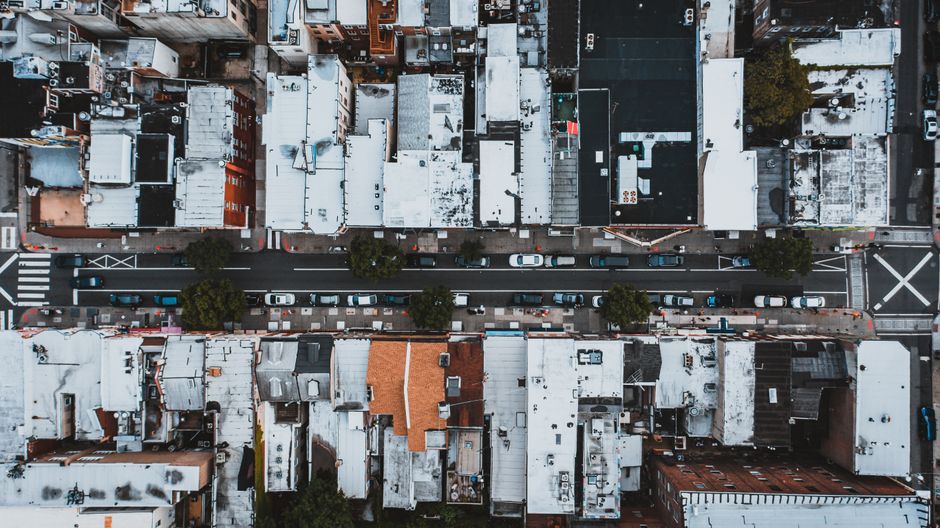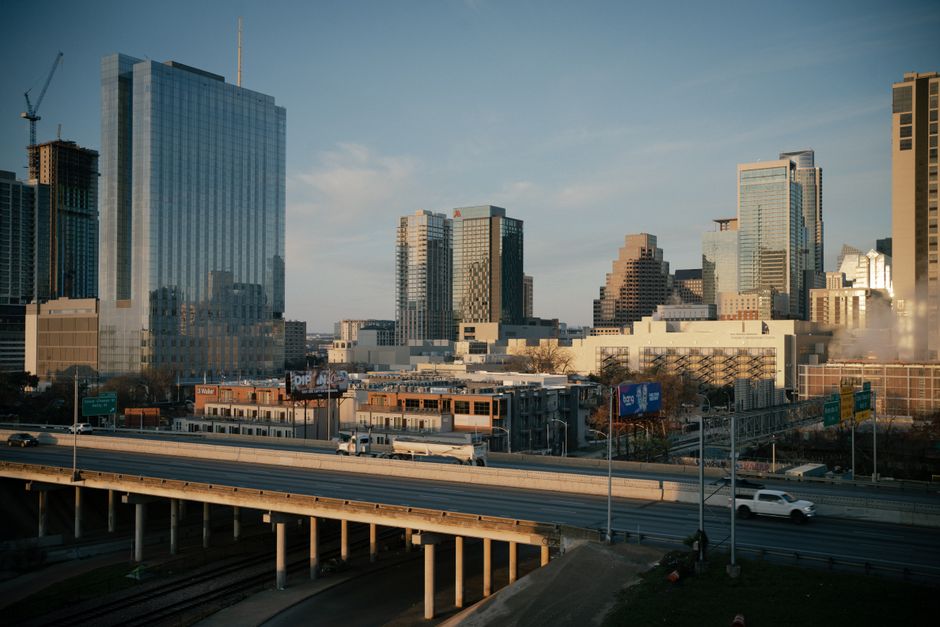
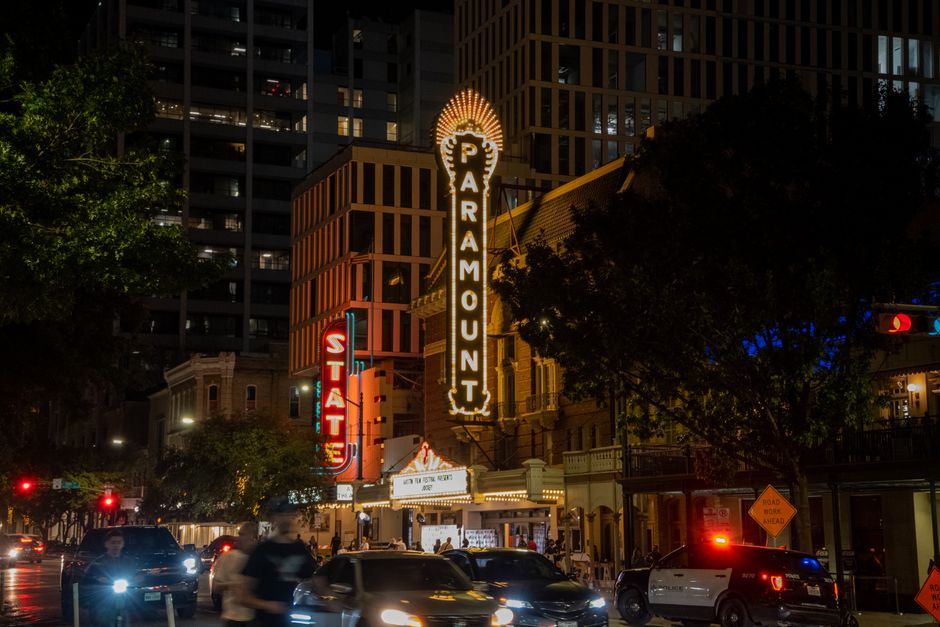
I showed up in Austin on a Thursday evening last fall with a backpack and zero reservation beyond the first night. That's the problem with this city—everyone tells you to stay downtown, but nobody warns you that downtown Austin has become a kind of open-air bar district where you'll be negotiating drunk crowds at 2 a.m. just trying to grab tacos. After bouncing between neighborhoods over two weeks, I realized the best Airbnb bets aren't the obvious ones. The real Austin—the part where you can actually sleep, eat well, and get out the door without stepping over someone's neon light-up hat—is scattered across a few pockets that most tourists miss.
I'm not going to pretend these neighborhoods are still secrets. They're not. But they're where locals actually live, and that makes all the difference when you're renting short-term.
South Congress (SoCo): The Walkable Sweet Spot
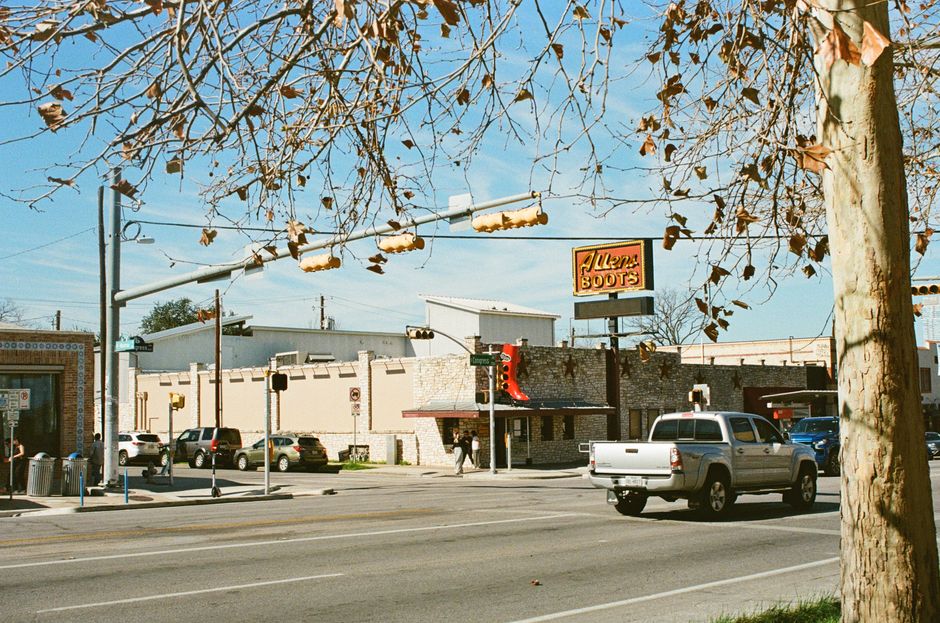
South Congress Avenue itself is a straight shot of vintage shops, breakfast tacos, and bars that stay open past midnight but don't require you to be 25 and shirtless to get in. The neighborhood around it—roughly from the river up to Oltorf Street—has become the default choice for first-time Airbnb renters, and there's a reason. You can walk to everything. Congress itself is the axis, but the residential blocks immediately east and west (think Emerson, Bouldin, parts of Woodland) are quiet enough to sleep without earplugs, dense enough with good restaurants that you won't end up eating at a chain.
Nightly rates run $110 to $220 depending on whether you want a studio in someone's backyard or an entire small house. The neighborhood is walkable at night, though I'd use the same street smarts you'd use anywhere—stay on Congress if you're out late, don't get too deep into the neighborhood past midnight. The real appeal is that you can be at a live-music bar by 8 p.m., back in your place by 11 without feeling like you've compromised either. Safety isn't an issue during normal hours; the area gets foot traffic all day and into the evening.
East Austin: Gritty, Rapidly Changing, and Worth the Risk
East Austin used to be the place people warned you away from. That's still half true, sort of. The gentrification here has been real and controversial—longtime residents have been getting priced out for years, which is worth thinking about if you care about that kind of thing when booking. But it's also where the actual creative momentum is right now. The blocks around Rainey Street and deeper into the East Side neighborhood have galleries, live-music venues, weird little restaurants that open and close without warning, and Airbnbs that are often cheaper than SoCo because they're not quite as established.
You'll find places for $85 to $160 per night, sometimes less. The walkability is uneven—some blocks are lively, others feel industrial or half-finished. Safety at night requires paying attention. I wouldn't wander too far east of I-35 alone past dark, and some blocks that seem fine at 8 p.m. are less fine at midnight. But if you're the type of traveler who's comfortable reading a room and using basic caution, East Austin has character. The neighborhood draws people here for exactly its realness, which is also what makes it less polished than SoCo. That's the trade.
Mueller: Planned, Pleasant, Underrated
Mueller is the neighborhood nobody thinks to book. It's a planned community built on the grounds of the old Robert Mueller Airport, which sounds boring and corporate but actually landed pretty well. Tree-lined streets, a genuine town center with a food hall and shops, parks, and zero nightlife, which is precisely why families and quiet-seeking travelers end up here and wonder why they didn't know about it sooner.
You're looking at $100 to $180 per night for a decent Airbnb, and you get space—Mueller's not cramped. The neighborhood is walkable, especially around the central plaza where you can grab coffee or dinner without getting in a car. It's safe at night; I'd say it's the safest neighborhood on this list, which is also a way of saying it's the least interesting after dark. You won't stumble into underground bars or find live music on random corners. What you will do is sleep well, eat decently, and have a calm base for exploring the rest of the city. If you came to Austin to soak up the vibe, this is where to stay when you need a break from it.
Zilker Neighborhood: Close to Nature, Close to Town
Just south of downtown, the Zilker neighborhood sits next to the park of the same name, which is huge and green and where Austinites go to float the river (during summer) or just sit outside without sweating through a shirt. The neighborhood itself runs from roughly Zilker Park north to Lady Bird Lake, and it's residential, walkable, and quieter than SoCo without feeling isolated.
Airbnb rates hover around $120 to $210 per night. The real advantage here is access: you're minutes from downtown if you want bars and music, but you can also step out your door and be in nature. The neighborhood is safe at night, reasonably walkable, though you'll want to stick to main streets if you're out late. Barton Springs Road, which runs through the neighborhood, has restaurants and some bars, but it's not party central. This is where you stay if you want to experience Austin's outdoors culture without camping, and without the chaos of staying directly downtown.
The Domain (North Austin): Modern, Expensive, Not for Everyone
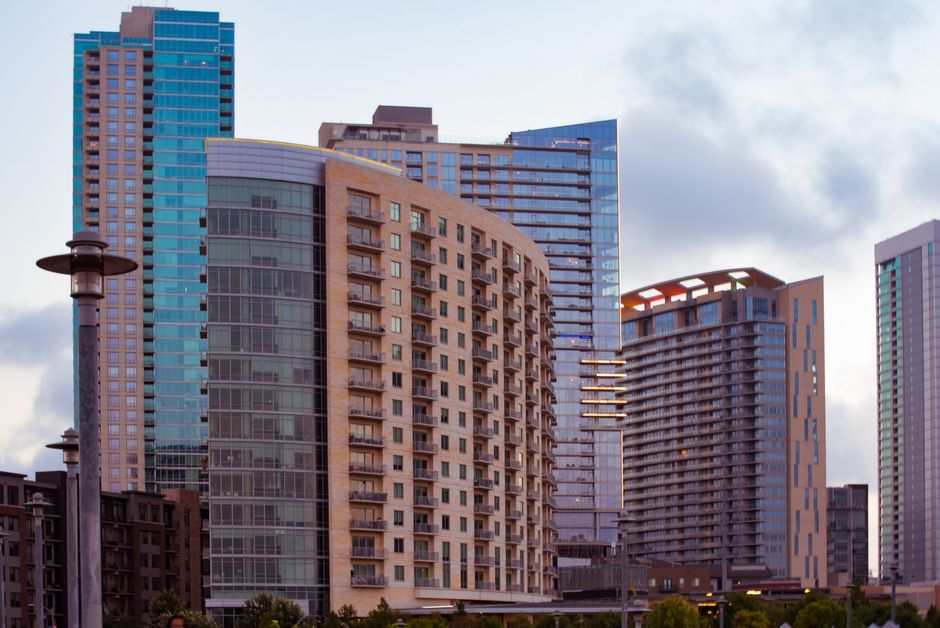
The Domain is a newer mixed-use development in North Austin that markets itself as this modern, walkable urban village. And it kind of is, in the way that a well-designed shopping mall with apartments on top is walkable. You've got restaurants, shops, a movie theater, everything convenient and clean and corporate-feeling.
Nightly rates run $130 to $250, sometimes higher. It's safe, it's walkable around the specific district, but there's zero soul. You won't find live music or hole-in-the-wall tacos. You'll find a Whole Foods and expensive breakfast spots and people who moved to Austin for the tech jobs. This is the neighborhood to book if you're here for work and need a clean bed near restaurants, or if you're with family and want everything close and controlled. It's fine. It's just not Austin.
Getting Around and Final Notes
Austin's public transit is limited, honestly. The bus system exists, but most people use it to avoid downtown parking, not to travel between neighborhoods. Ride-shares are everywhere and cheap enough that you don't need a car. I rented a car for three days to explore Hill Country, then ditched it. Most of my actual time in the neighborhoods was on foot or on a bike—Austin has decent bike infrastructure, and renting a cruiser from one of the dozens of places around town runs about $15 a day.
Where you Airbnb matters more here than it does in other cities, because neighborhoods are discrete and a bit isolated from each other. SoCo is the default for a reason, and if you're unsure, it's the right call. But if you want to move slower, or cheaper, or just sleep without hearing three live-music venues, the other neighborhoods offer real trade-offs worth considering. The city's big enough and spread-out enough that you can't really go wrong, as long as you're not expecting to find the Austin of twenty years ago. That city's been gentrified out of existence. What's left is still worth visiting.