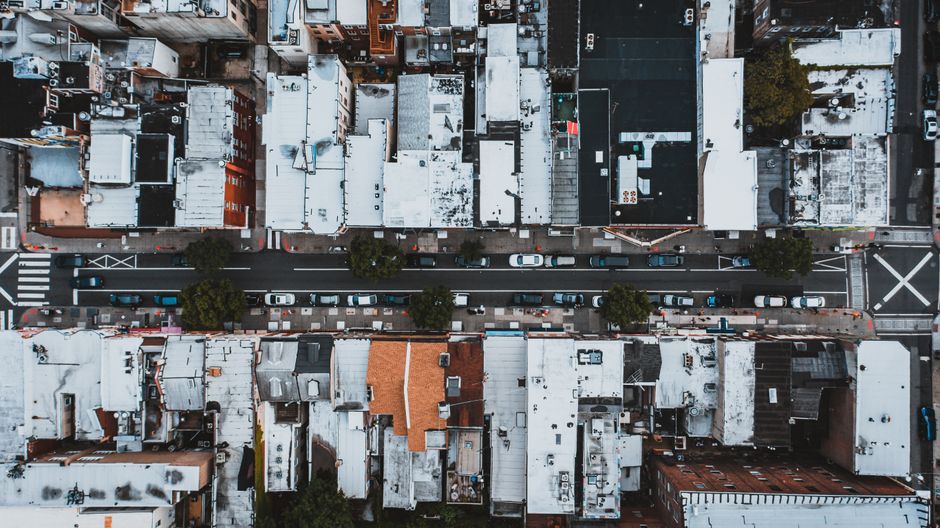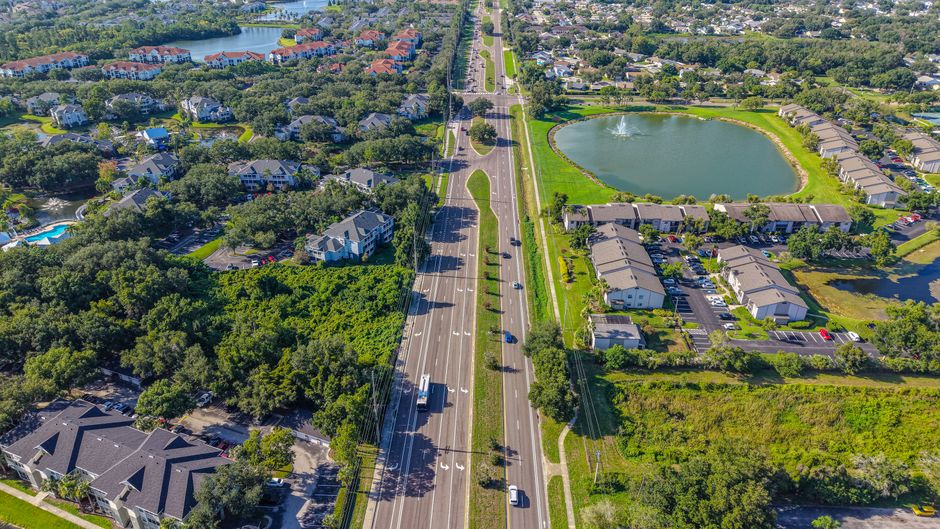
I rolled into Tampa on a humid Tuesday expecting the usual sprawl of a mid-sized Florida city. What I found instead was a waterfront town that's finally figured out how to make itself worth visiting for more than a conference or a cruise departure. The catch is location matters enormously here—pick wrong and you're stuck in a chain-hotel corridor or some lifeless subdivision. The neighborhoods that actually work for short-term stays cluster around the water and a few walkable pockets downtown, and they're nothing like each other.
I spent a couple weeks testing the ones that show up in listings, walking them at different hours, eating where locals eat. What follows is what I'd actually book again, with the trade-offs laid bare.
Hyde Park: Upscale Quiet, Restaurant-Dense
Hyde Park sits just west of downtown, a tree-lined neighborhood of renovated bungalows and small apartment buildings that feels purposefully insulated from the chaos. It's not exactly undiscovered—the word is out—but it hasn't been turned inside out by short-term rentals the way some neighborhoods have. You can walk to restaurants and cafes without it feeling like a strip mall, and the streets actually have sidewalks and trees that provide shade.
The restaurant and bar scene skews upscale. You're looking at $18 cocktails and $28 entrees, not dive-bar nachos. Wine shops, a few indie bookstores, the kind of place where people sit on patios and seem to know each other. If nightlife means a solid cocktail bar within walking distance and not a club district, this works. If you want dive bars and live music until 2 a.m., keep looking.
Safety is straightforward—I walked here after dark without incident, and the crowd is stable and middle-aged. Nightly rates for a one-bedroom Airbnb typically run $120–$180, sometimes more for the nicer renovated homes. It's the kind of neighborhood where quiet is a feature, not an oversight.
Downtown/Channel District: More Energy, Less Sleep
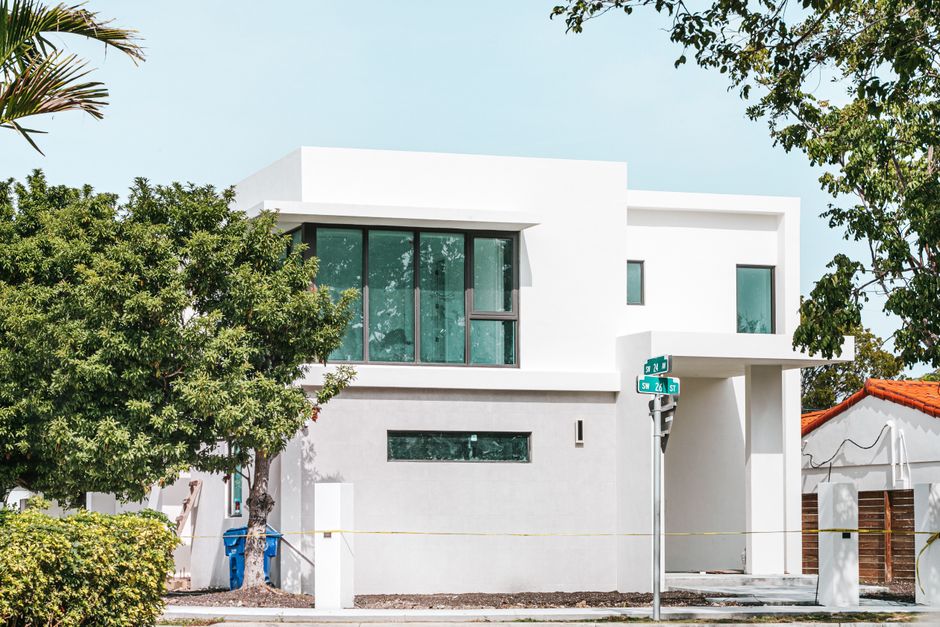
Downtown Tampa is compact enough to actually explore on foot, and the Channel District—the waterfront strip just south of downtown proper—has genuinely improved in the last five years. Glass-and-steel apartments have gone up alongside the old red-brick warehouses, and the waterfront has finally stopped feeling like something that happened to exist and started feeling like a place people actually want to be.
This is where the nightlife clusters. Bars along the water, a growing music venue scene, people out after dark. It's not Miami, but it's not sleepy either. The downside is obvious: it's louder, more touristy, and if you're booking a ground-floor unit, you might hear the street noise until closing time. Safety is generally fine in the main areas near the water and established bars, though like any downtown, there are blocks that are better than others. Don't wander too far inland without checking the specific location.
Prices reflect the demand. Expect $140–$220 per night for something decent, and more for anything waterfront or newly renovated. The neighborhood works if you came to Tampa to actually do things and don't mind the sound of people on patios below your window.
Ybor City: Genuine Weirdness, Tourist Gauntlet
Ybor City is the old cigar district, a neighborhood of brick buildings, narrow streets, and the kind of history that actually earned its stripes rather than invented them. It's also become a full-on tourist attraction, which means your experience will either click or won't depending on your tolerance for crowds and commercialization.
The bones are good. Seven th Avenue runs through the middle with bars, galleries, independent shops, live music venues most nights. The residential streets behind the main drag are quieter and architecturally interesting. Safety during the day and early evening is fine; the neighborhood is well-trafficked and well-lit. Later at night, the party crowd gets looser and the quality of the nightlife venues varies widely. I saw everything from genuinely good live bands to tourist traps charging $20 for a mediocre margarita.
The appeal is that it has actual character—the buildings aren't new, the street layout makes sense, you can walk to things. The drawback is you're sharing that appeal with a lot of other people who read the same listings. Airbnbs here typically run $110–$170, cheaper than Hyde Park but less peaceful. Pick a unit on one of the quieter streets if you want to sleep; stick to Seventh Avenue if you want the action.

South Tampa (Soho): Residential, Progressively Cooler
South Tampa—usually called SoHo when people want it to sound intentional—is the neighborhood that's been quietly gentrifying for the past decade without the fanfare. It sits south of Kennedy Boulevard and spreads across a few miles of older residential streets, boutique shops, and cafes that don't feel like they're trying too hard.
This is where younger Tampans actually live, which means the vibe is less established and more experimental. Barfly, a coffee shop with real espresso. A sushi place that's clearly doing this right. A vintage bookstore. These places rotate and change, which is partly the appeal. You get a neighborhood that feels alive rather than curated. Walkability is good along the main corridors; once you get into the residential blocks, you need a car for some outings. The neighborhood is safe and mostly quiet, with pockets of bar activity that don't dominate.
Nightly rates tend to cluster in the $100–$160 range, making it one of the better values. The trade-off is that it's less of a destination neighborhood—you're here for the neighborhood itself, not because all the sights are walkable from it. That might be exactly what you want.
Carrollwood: Skip It (But Here's Why)
Carrollwood shows up in some short-term rental listings, and I want to save you an hour of research. It's a planned suburban community north of downtown with good schools and safe streets. It's also completely car-dependent, not particularly walkable, and has the personality of a shopping mall parking lot. The restaurants are chains. There's no street life. You're looking at lower nightly rates ($90–$130), but you're paying for convenience only—no soul, no walkability, nothing that makes Tampa interesting.
Book it only if you're staying specifically to visit something in that area and don't care about the neighborhood itself. Otherwise, none of the neighborhoods above are so expensive that you need to compromise this much.
How to Actually Choose
The real question is what you came to Tampa for. Downtown or Channel District if you want nightlife and activity. Hyde Park if you want sophisticated quiet and don't care about late-night options. Ybor City if you want the energy and Instagram-ready scenery and don't mind crowds. South Tampa if you want to feel like you live there rather than visit.
Walk the actual street on Google Street View before booking. Check whether your unit is on a main drag or a residential block. Read reviews that mention noise level and walkability, not just "fun vibes." Look at the exact address, not just the neighborhood name—one block can feel completely different from another.
Tampa's weather is reliably hot and humid year-round, so proximity to shade and water becomes a real comfort factor. Neighborhoods with mature trees and waterfront access are genuinely better for staying longer. Book a place with air conditioning that the reviews specifically confirm works—this is not negotiable.