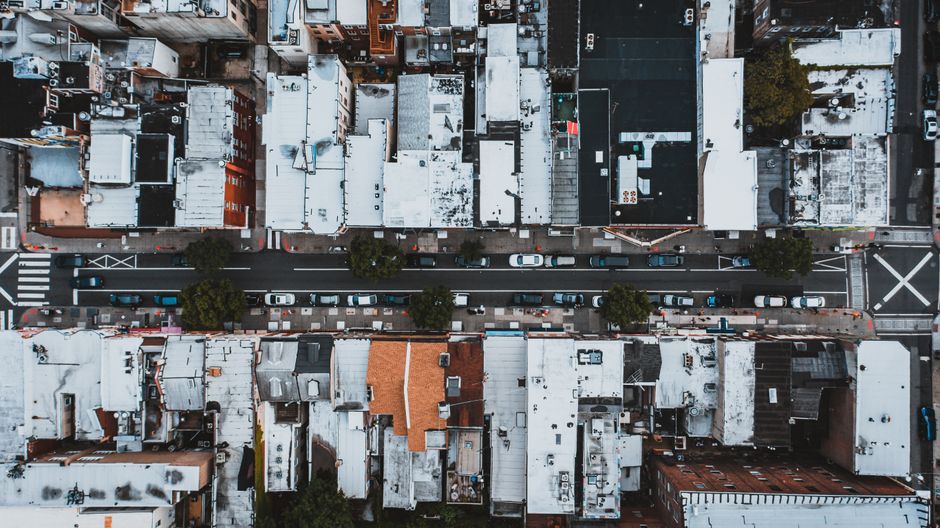
I rolled into Tampa on a humid Tuesday afternoon with a backpack and a wallet that needed serious protecting. The city surprised me—it's not the tourist gauntlet I expected. Sure, you've got the beaches and the cruise ships, but there's actual neighborhood character here if you know where to land. The key to keeping costs down isn't booking six months ahead or doing some loyalty-program dance. It's finding the right neighborhood base and understanding that budget doesn't always mean grungy.
Tampa's layout works in your favor if you're counting dollars. Downtown is compact, the bus system is reasonable, and unlike some Florida cities, you don't automatically need a car. I spent three weeks testing the mid-range and budget options, talking to other travelers, and figuring out where you actually want to be versus where Google says is cheap. Here's what I found.
Hostels in Tampa: Who They're For and Where They're Located
Tampa has a small hostel scene compared to bigger backpacker hubs, but what exists is solid. The downtown area and Ybor City—the historic Cuban neighborhood—are where you'll find most of the options. Ybor City hostels tend to have more energy and nightlife footsteps outside your door, which is great if you're social and awful if you're trying to sleep before a 6 a.m. bus ride.
Dorm beds in Tampa hostels typically run $25–45 per night depending on the season and how many beds are crammed into the room. Private rooms, when available, run $60–100. The hostels I checked out were generally clean, though cleanliness standards can drift if management is distracted. It's worth reading recent reviews from the last month or two—a place can change quickly. Most have common areas, which is where you'll meet other solo travelers. Some offer kitchen access, which cuts food costs if you're staying more than a few days.

Budget Motels: The Unglamorous But Honest Option
If dorm living makes you claustrophobic, budget motels are the next step down in cost but often a lateral move in terms of actual cleanliness and safety. Tampa has chains scattered across the city—mostly along the major corridors like Nebraska Avenue and Dale Mabry Highway. You're looking at $40–70 per night for a basic room, sometimes less if you're staying a week and negotiate a rate.
The catch: location matters more than usual. Some of these stretches are perfectly fine; others feel like they're working hard to shake an old reputation. I'd avoid motels in unfamiliar neighborhoods at night without looking around first. That said, I stayed in a few basic chain motels on the outskirts—the kind of place where the AC works, the sheets are clean, and nobody asks questions—and they served their purpose. If you're mainly using your room to sleep and shower, and you don't mind driving or rideshare a bit, they're economical. Just read the recent reviews and look at photos. A $50 motel room that's actually maintained beats a $35 place where you're nervous about the shower.
Ybor City: Energy, History, and Late Nights
Ybor City is Tampa's most interesting neighborhood, full stop. It's the old Cuban cigar manufacturing district, and it's got actual soul—narrow brick streets, vintage storefronts, coffee shops that have been there for decades, and live music most nights. Hostels and budget hotels here put you steps from restaurants and bars, which sounds ideal until you realize the neighborhood doesn't quiet down until 2 a.m. on weekends.
Staying in Ybor works brilliantly if you're 25 and want to meet people and experience the neighborhood rhythm. It's slightly less appealing if you need silence or have an early morning. Prices in Ybor for budget accommodations are competitive with downtown but the vibe is completely different. You're in a neighborhood rather than a business district. The downside: parking is a hassle, street noise is real, and if you want a peaceful evening, you're eating dinner at 9 p.m. and rolling with the crowd.

Extended-Stay Hotels: If You're Staying Longer
If you're in Tampa for two weeks or more, extended-stay motels and budget hotel chains change the math. Places that rent by the week or month will negotiate rates that come out to $35–50 per night—sometimes even less—when spread over 14+ days. You often get a kitchenette, which saves enormous amounts on food if you cook even some meals.
These aren't exciting stays, but they're practical. The rooms are small, the furnishings are basic, and the clientele is mixed—some long-term residents, some travelers, some people in transition. The trade-off is stability: you're not moving hotels, your stuff is safe, and you can establish a routine. I'd research which extended-stay brands have Tampa locations and compare weekly rates directly. Many will waive cleaning fees if you're there long enough. The neighborhoods they're in are rarely peak tourism spots, which means lower prices and quieter surroundings, though you may need to rideshare for entertainment.
Downtown Tampa: Proximity Over Atmosphere
Downtown puts you near the bus hub, the river walk, and most attractions, but it's a financial district first and a neighborhood second. It quiets down after 6 p.m., which some people love and others find boring. Budget accommodations here are fewer than in Ybor but tend to be cleaner and more professional. Prices are usually $50–80 for a basic room or a hostel bed.
The real value in downtown is transit: the bus system radiates from here, so you can get to the beaches, to Busch Gardens, to neighborhoods with actual food and culture without needing a car. If you're trying to keep transportation costs minimal, downtown is strategically smart. The waterfront itself is pleasant for walking, though it's mostly chains and tourist infrastructure. I'd stay downtown if I was using Tampa as a base for day trips and wanted to sleep near the transit hub. Otherwise, Ybor or a neighborhood motel felt more livable.

Getting Around and Other Budget Survival Tips
Tampa's HART bus system is cheap—$2.50 per ride, $5 for a day pass. If you don't have a car, the buses work fine for getting downtown and to some neighborhoods, but coverage gets thinner as you move outward. Rideshare is competitively priced here compared to other Florida cities. Walking is feasible in downtown and Ybor but Tampa is a sprawling city. A week-long HART pass costs $25, which isn't nothing but it's affordable.
Food is where budget travelers often overspend. Ybor has cheap Cuban food ($5–8 sandwiches), and downtown has food trucks. If you're in a motel with a kitchenette, the Publix and Winn-Dixie grocery stores are everywhere. Groceries are Florida-standard expensive, but cooking even half your meals saves serious money over a longer stay. The beaches are free—Clearwater, St. Pete—and are 20–30 minutes via bus or rideshare. They're worth the trip.
Final Thoughts
Tampa doesn't feel designed for budget travelers the way some cities do, but it rewards patience and realistic expectations. You're not going to find pristine beachside dorm rooms for $20. What you will find are clean, safe, affordable places to sleep in neighborhoods with actual life. The city doesn't bury you in tourism prices like Miami or the Disney corridor. Ybor City and downtown are both workable bases depending on your style. Budget motels on the outskirts are honest and economical if you're okay with a slightly longer commute.
Spend the time reading recent reviews, understanding neighborhood safety and vibe before you book, and being willing to move if a place isn't working. I've stayed in cities where budget meant accepting misery. Tampa isn't like that. The choices are limited but they're decent.