
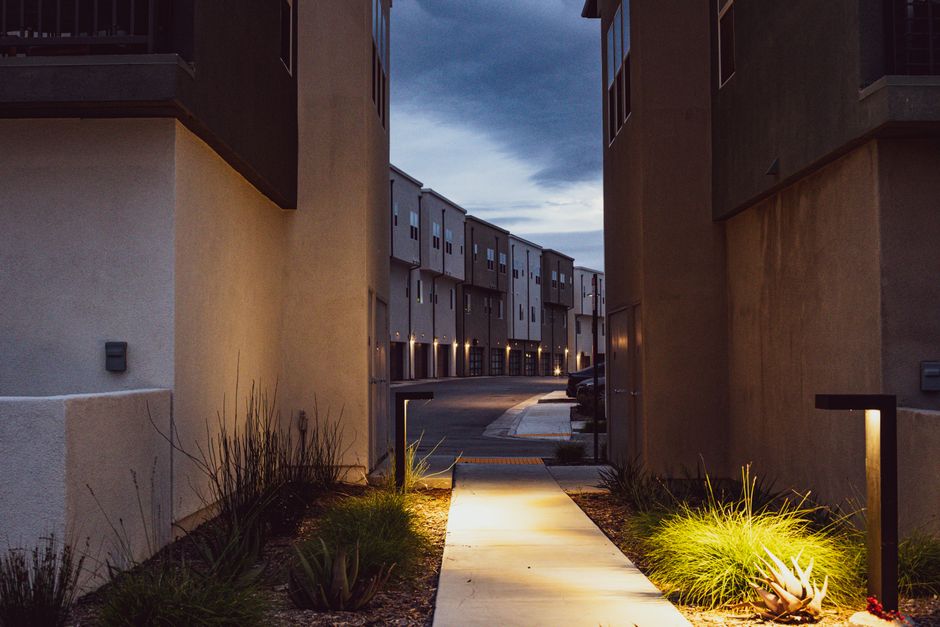
I rolled into Albuquerque on a Tuesday afternoon with the kind of plan that isn't really a plan—just a sense that the city had something worth sticking around for. What surprised me most wasn't the Sandia Mountains or the light (though both live up to the hype), but how much the neighborhood you choose actually shapes whether you'll want to leave your rental. Albuquerque sprawls. It doesn't have a single downtown core where everyone congregates. That means where you land matters—a lot.
I've stayed in five different Airbnbs across this city over the past couple of years, sometimes for work, sometimes just because the rent was cheap and the sky wouldn't quit. What I learned is that Albuquerque rewards the traveler who picks thoughtfully. Book the wrong neighborhood and you're staring at strip malls from your window. Pick right, and you've got walkable blocks, real restaurants, and actual human beings outside after sunset.
Old Town: Touristy But Livable
Old Town is the obvious choice, and I'm not going to pretend it isn't for a reason. The plaza is ringed with galleries, cafes, and the San Felipe de Neri Church, which has been there since 1706. You can walk to dinner. You can walk to a drink. The architecture actually matters here—low adobe buildings, narrow streets, a genuine sense of place that most of the city lacks.
That said, yes, it's touristy. Weekends fill up with families and people following Instagram guides. But weekday mornings and early evenings are something else. The energy shifts. You'll find locals at the coffee spots, actual conversation at the bars. Walkability is solid within the Old Town footprint itself, though you'll want a car or rideshare if you're venturing elsewhere.
Safety-wise, Old Town proper is well-lit and trafficked enough that you won't feel nervous. The surrounding blocks get quieter and less monitored as you push north and east, so stick to the immediate plaza zone if you're walking at night. Expect to pay $100–$150 per night for a decent one-bedroom, sometimes more during peak tourism season. It's not budget, but you're paying for location and the fact that you won't need a car every time you want food.
Nob Hill: Where Young Albuquerque Actually Lives
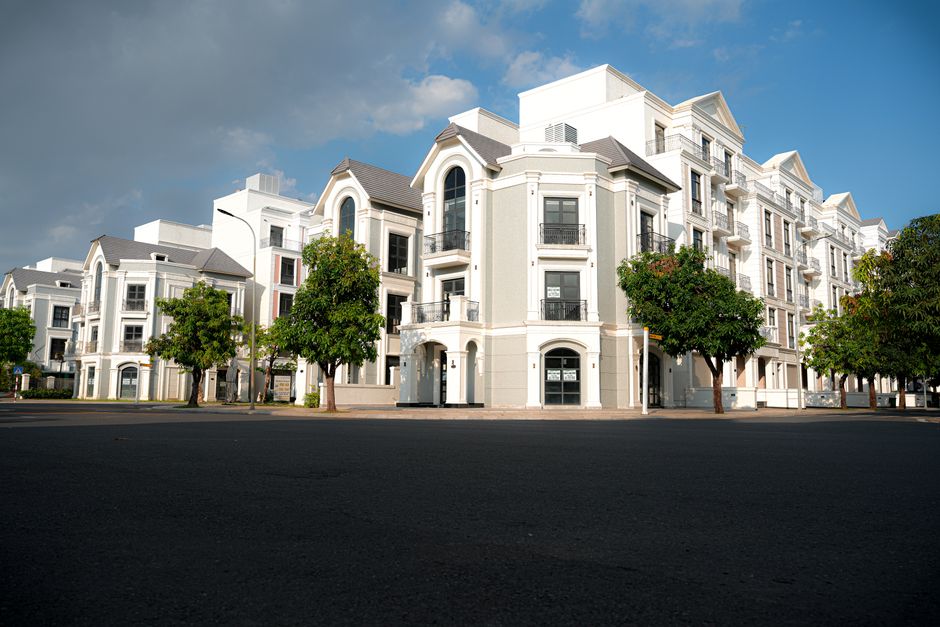
Nob Hill is what happens when a neighborhood decides it wants to be interesting and then commits to it. Central Avenue here is lined with independent restaurants, vintage shops, breweries, and bars that didn't open because a consultant told someone they should. Scalo Northern Grill. Frontier Restaurant. Common Crackle Coffee. These places have actual regulars. The neighborhood draws young professionals, artists, and transplants who aren't just passing through.
Walkability is the real draw. You can stay in a rental on one of the side streets—Girard, San Mateo, or Harvard—and handle groceries, dinner, and drinks entirely on foot. The neighborhood slopes upward toward the foothills, so there's some topography to it, which sounds minor until you're walking at altitude. It's not steep enough to be a problem, just enough to keep things from feeling flat.
After dark, Nob Hill stays active. People are out. Bars stay open. You won't encounter empty streets, which matters if you're someone who likes to walk home from dinner without a plan. That said, I wouldn't describe it as dangerous—just that it's not downtown Manhattan busy. Standard solo-travel awareness applies. Nightly rates run $80–$130, depending on how close you are to Central Avenue and what amenities the place has. It's become more expensive in the last few years, but it's still reasonable compared to similar neighborhoods in other cities.
Downtown/Business District: The Comeback Kid
Downtown Albuquerque spent decades being somewhere you didn't go unless you had to. That narrative is actually shifting, and if you're a traveler who likes to feel the pulse of change, this is the neighborhood to watch. The Civic Center is slowly activating. The KiMo Theatre is beautiful and still operating. New restaurants and bars have opened—places with actual thought behind them, not just window dressing.
The main advantage is price. You can find decent one-bedrooms for $70–$110 per night, sometimes less. The walkability is improving, though you've got to be honest with yourself: downtown Albuquerque is still piecing itself back together. You won't have the same restaurant density as Nob Hill or the plaza charm of Old Town. What you get instead is elbow room, lower costs, and the feeling of being in a place that's not yet a fully settled tourist destination.
Safety at night requires more caution here than in the neighborhoods I mentioned above. The streets clear out faster. I wouldn't say avoid it—just know what you're signing up for. Stay in a rental with secure entry. Walk with purpose. Use rideshare if you're heading back late. Some travelers love this neighborhood for exactly what it is. Others bounce after a few days. See it as a trade-off: you save money and get fewer tourists, but you give up some of the built-in walkability and nightlife buzz.
Uptown: Safe, Quiet, Spreadsheet Housing
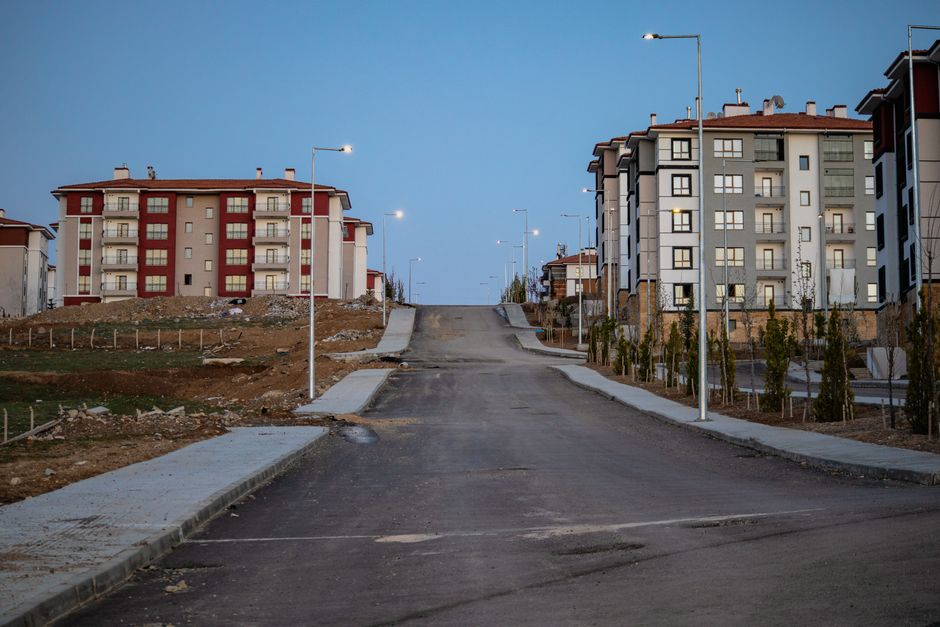
Uptown is where mid-level managers and insurance agents live. It's north of downtown, anchored by a shopping center that might as well be anywhere in America. If you want zero surprises, maximum safety, and the ability to buy groceries at a normal-sized store, Uptown delivers that.
Walkability is weak. You will need a car or you will spend your life waiting for rideshares. The neighborhood is clean, well-lit, and feels safe—but "safe" because it's designed to minimize interaction, not because of genuine community. Restaurants and bars exist, but they're the kind with names you've heard in other cities. It's not Applebee's territory, but it's not adventurous either.
Nightly rates are $75–$110, so it undercuts Old Town and Nob Hill without offering much reason to be here unless you're uncomfortable anywhere else. I mention it because some travelers need exactly this: a clean, forgettable base where they can focus on day trips or work. If that's you, Uptown works. Just understand you're not experiencing Albuquerque so much as parking in a suburban holding pattern.
Albuquerque High / University Area: Density With a Pulse
The stretch around Albuquerque High School and the UNM campus pulls the kind of energy you'd expect from a neighborhood bookended by a university. Lots of young people, restaurants that actually cook, cheaper rents because of student turnover. Bars stay open. Coffee shops serve decent espresso. There's always someone outside.
Walkability is solid. The grid is tight, pedestrian-friendly, and you can walk to most things you'd want on a Friday night. The vibe is definitely younger and more casual than Old Town or Nob Hill—think grad students and service workers and people who've chosen this neighborhood on purpose, not by accident.
The trade-off is that it can feel less polished. You're sharing the streets with drunk undergraduates. The blocks immediately adjacent to campus get rowdier than some travelers want. Safety is generally fine, but "young college neighborhood safety," which is different from "established residential neighborhood safety." Nightly rates are $70–$110, making it genuinely affordable while still offering walkability and actual things to do. If you're under 35 and don't mind the occasional 2 a.m. noise from someone's apartment party, this neighborhood is underrated.
How to Actually Choose
Here's what I tell people: answer three questions before you book. First, do you need to walk everywhere? If yes, Old Town or Nob Hill. Second, do you need it cheap? University area or downtown. Third, how much nightlife do you actually want? Nob Hill and Albuquerque High have it. Old Town has it on weekends. Downtown is trying. Uptown does not.
Albuquerque isn't Vegas or New York. It's not even Santa Fe, which is smaller and more hermetically sealed. But it's a real place with real neighborhoods, and the difference between picking right and picking wrong will show up in how many nights you actually leave your Airbnb. I've had entire trips shortened by a bad neighborhood choice, and I've had three-day stays turn into two weeks because I landed somewhere that clicked.
The Practical Stuff
Book direct with owners when you can—Airbnb's service fees make anything under $100/night feel worse than it is. Read reviews obsessively. Check the exact address on a map and streetview it before committing. Albuquerque's address listings can be weird, and you might think you're walking distance to something when you're actually looking at a 20-minute drive.
Rent a car if you're staying more than a few days. The RTD bus system exists but isn't robust enough that you won't spend half your day waiting at stops. A used rental or even a one-way from the airport is usually cheaper than the ride-share tax for anything beyond Old Town.
The city is altitude-heavy (about 5,000 feet), which sounds trivial until you're walking uphill in dry air. Stay hydrated. The light is genuinely something—that photographer-famous Albuquerque light—and it hits differently at sunrise and sunset. Wake early one morning, drive to somewhere high, and see what I mean. That's when you understand why people stay.


