
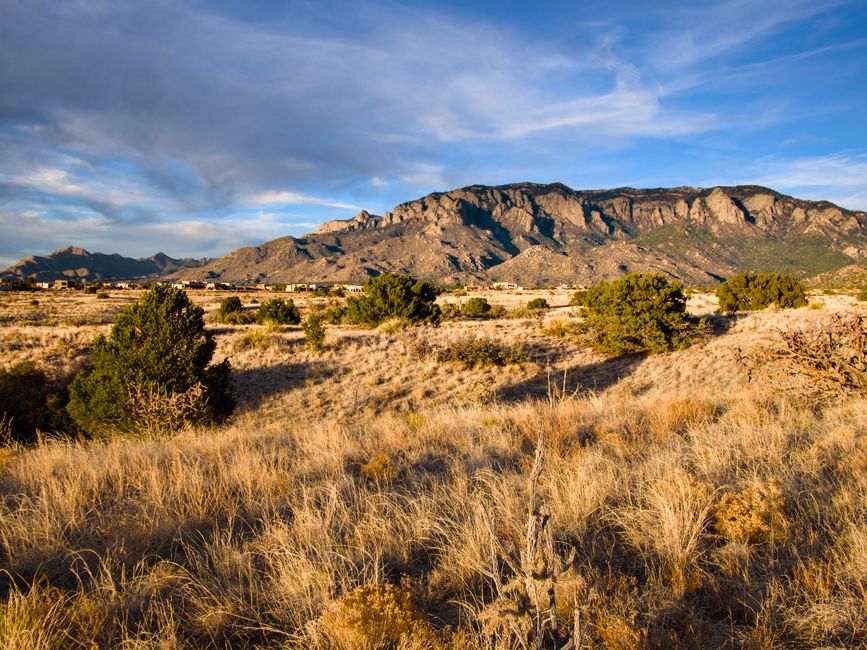
I came to Albuquerque expecting the Old Town postcard version—adobe shops, tourist crowds, the predictable Southwest experience. What I found instead, after walking the backstreets for a week, was a city that doesn't perform for visitors. The real Albuquerque lives in the neighborhoods, the overlooked pockets of green space, the small museums nobody lines up for.
The I-25 corridor and Old Town get all the attention. Fair enough—they're pleasant enough. But if you're the type to wander, to talk to people at coffee shops, to ask "Where do you actually go?"—that's when the city opens up. I spent time doing exactly that, and what emerged was less a guidebook and more a series of dead ends that turned into discoveries.
Cochiti Lake and the Drive North
About forty-five minutes north of the city, past the sprawl, Cochiti Lake sits in a landscape that feels genuinely remote. I drove up on a Friday afternoon expecting maybe a parking lot and some overpriced concessions. Instead, I found a reservoir ringed by forest, maybe a dozen other people, and the kind of quiet that makes you realize how much noise you're used to.
The lake itself is operated by the U.S. Army Corps of Engineers, and yes, it's technically on the Cochiti Pueblo, so there are protocols and fees. But the road in—along the Cochiti Park area—winds through ponderosa and piñon in a way that feels almost accidental, like you've stumbled into New Mexico rather than driven to it. There's camping, fishing, a small boat launch. If you want to see what the landscape actually looks like outside the Rio Grande Valley, this is the place. Bring water, plan to stay a few hours, and don't expect amenities beyond a parking area and basic facilities.
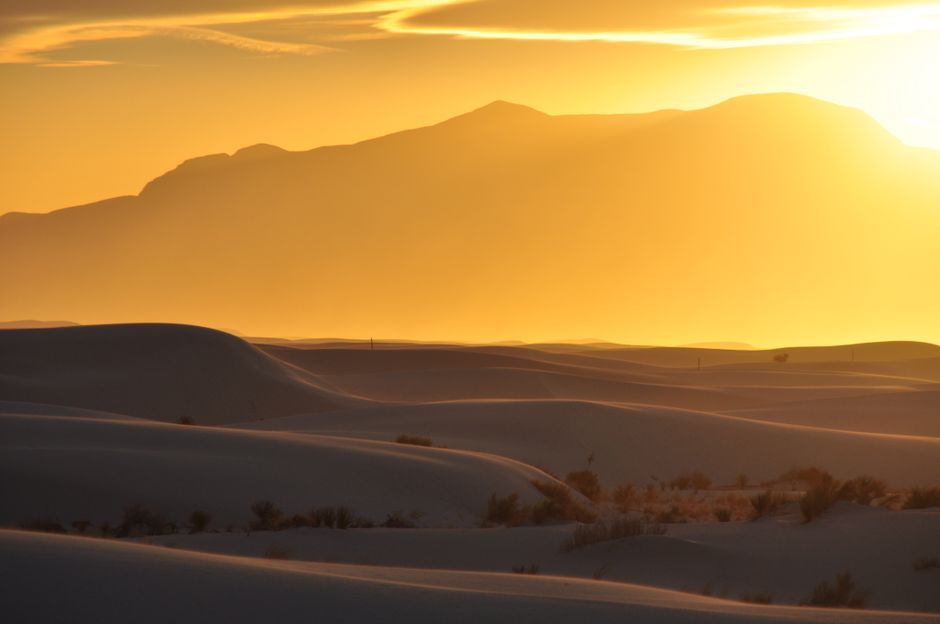
The Sandia Peak Tramway and the Secret Picnic Spots
Everyone knows about Sandia Peak Tramway—it's on the tourism board's list. What they don't tell you is that most visitors ride up, spend twenty minutes at the summit snack bar, and ride back down. That's not the move.
Take the tram up, sure. But then skip the crowds and walk. The summit is the highest point around for miles, and the views west over Albuquerque and the Rio Grande Valley are legitimately dramatic. What surprised me was discovering that the upper mountain has actual quiet corners—small overlooks and turnouts that are completely empty on a weekday. I found a spot about ten minutes' walk from the main plaza where I could see clear into three different valleys. Bring a lunch, bring a book. The tram's pricey if you're just going for the view, but if you're spending a full afternoon, it starts making sense.
The Albuquerque BioPark's Neglected Corners
The zoo gets visitors. The aquarium gets visitors. The botanical garden, though—that's where locals actually go when they want to think.
I spent an afternoon wandering the gardens on a Tuesday and saw maybe three other people. The Southwest Bloom section, especially the native plant collections, is genuinely educational if you care about xeriscaping or the region's actual flora. But what struck me was the atmosphere. The pathways are wide enough that you never feel crowded, even in the peak season. There's a Japanese garden section that feels deliberately separated from everything else, the kind of space where you can sit on a bench and actually hear what you're thinking. The ticket cost is reasonable—cheaper than most museums—and once you're in, you're not pressured to move along. I saw people reading, sketching, just sitting. It's the kind of place that reveals itself only if you're willing to move slowly.
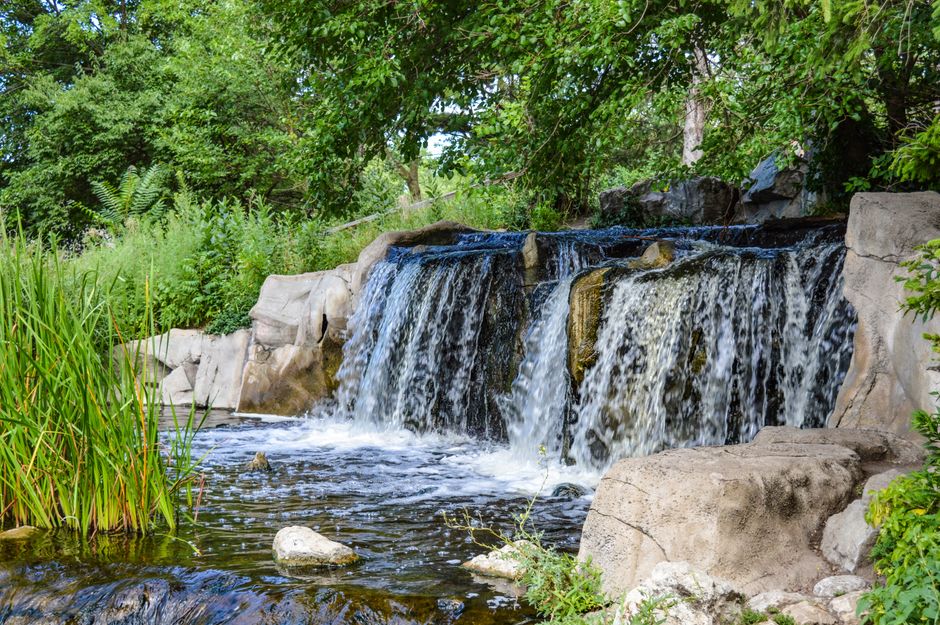
Coronado State Monument and the Petroglyph Loop
North of Bernalillo, about thirty minutes from downtown, Coronado State Monument sits on the Rio Grande's east bank. Most people drive right past it. I almost did, too, until a local mentioned that the petroglyphs there are less visited than the famous ones at Petroglyph National Monument.
The monument itself commemorates Coronado's expedition in the 1540s—there's a small visitor center, some informational plaques. But the real draw is the kiva mural inside what remains of the Kuaua Pueblo, and the petroglyphs scattered across the mesa above the river. The walk up is moderate, probably forty minutes, and the views back down to the Rio Grande and the Sandias are worth the climb alone. The petroglyphs are genuine—hand and animal prints, some geometric—and because it's less trafficked than Petroglyph National Monument, they haven't been worn smooth by thousands of hands. You actually have to look; they're not obvious. That changes how you experience them. The monument costs a few dollars to enter, and it's quiet enough that you can hear the river below while you're standing on the mesa.
The South Valley and the Actual Neighborhoods
Tourist Albuquerque clusters north and east. The South Valley—the area from the airport south, toward Los Ranchos and La Joya—is where the city actually lives.
I spent a Saturday morning driving through Los Ranchos, stopping at small galleries and local coffee shops that don't advertise. There's a different energy here, less performed. The Rio Grande flows through the South Valley more visibly than it does in the central city; you see it as you drive, cottonwoods lining the banks. I found a small park area near Los Ranchos del Bernalillo on the east side of the river where locals were walking dogs and having conversations in Spanish. No tourist facilities, no gift shops. Just a place where people actually spend time.
The South Valley is also where you find the real New Mexico food—not the sanitized cafe versions, but the places where the owner's family eats. Sadie's is fine, it's a chain. But if you ask locals, they'll point you south, toward the small restaurants and fondas that don't have marketing budgets. These places move fast, the menus are shorter, and the chile comes from someone's actual garden, or at least someone's trusted supplier. It's the kind of thing that takes asking around to find; it's not on a central list because it's not meant for the guidebook crowd.
The Unser Racing Museum and the East Side's Quiet Culture
The Unser Racing Museum sits on the east side of town, near the fairgrounds, in a building that looks like it could house anything. Inside, it's a surprisingly deep collection of vintage race cars, mostly Indy cars and local racing history.
I went expecting an hour and spent three. The museum is small enough that you never feel lost, but focused enough that if you care about mechanical design or the history of motorsports in the American West, there's genuinely interesting material here. More importantly, there's almost nobody there. I watched one family come through, said hello to the person at the front desk, and otherwise had the place to myself on a Friday afternoon. That's rare. Most museums in Albuquerque, the bigger ones, you're navigating crowds, or at least the awareness of crowds. Here, you can stand in front of something for ten minutes without feeling like you're blocking someone else's view.
The museum is cheap to get into, and it's the kind of place that suggests something about Albuquerque that the postcard version doesn't: there's real engineering culture here, manufacturing, a working-class history that's not really been turned into a product. It shows up in unexpected places.
What Actually Matters When You're Here
The thing about finding the real Albuquerque is that it requires time. You can't blitz through it in a weekend and hit every notable place. What you can do is pick a direction, preferably one that's not the main tourist drag, and walk around for a day.
Take the bike paths along the bosque—the cottonwood forest that lines the Rio Grande. Talk to people at coffee shops about where they spend their time. Drive past the obvious attractions and see what's actually there in the neighborhoods. The city reveals itself through accumulation, not through checking boxes. I came expecting a certain kind of Southwest cliche and found something messier and more interesting—a place with its own rhythms that doesn't particularly care if you understand them.
Frequently Asked Questions
What are the best free or cheap things to do in Albuquerque?
Walk the bosque trails along the Rio Grande for free; visit the Albuquerque BioPark's botanical gardens for under $15; drive to Coronado State Monument (a few dollars to enter) for petroglyphs and river views. Many of the best spots cost nothing—parks, overlooks, and neighborhoods are free to explore. The South Valley and Los Ranchos areas are free to walk around, and that's where locals actually spend time.
Where do locals eat in Albuquerque besides the tourist restaurants?
The South Valley has family-owned fondas and small restaurants where locals actually eat; ask at coffee shops for recommendations rather than relying on a guide. East side neighborhoods have their own food culture. Most of these places are informal, move quickly, and aren't trying to look pretty for Instagram—that's how you know you're in the right place.
How far is Albuquerque from other New Mexico attractions?
Santa Fe is about an hour north; Bandelier is roughly 90 minutes; Carlsbad Caverns is 4+ hours southeast. Cochiti Lake, mentioned above, is 45 minutes north. Most major attractions are drivable for day trips, but Albuquerque itself rewards spending a few days—the city and surrounding area have enough to fill a week if you're not rushed.
Which spot would you check out first?


