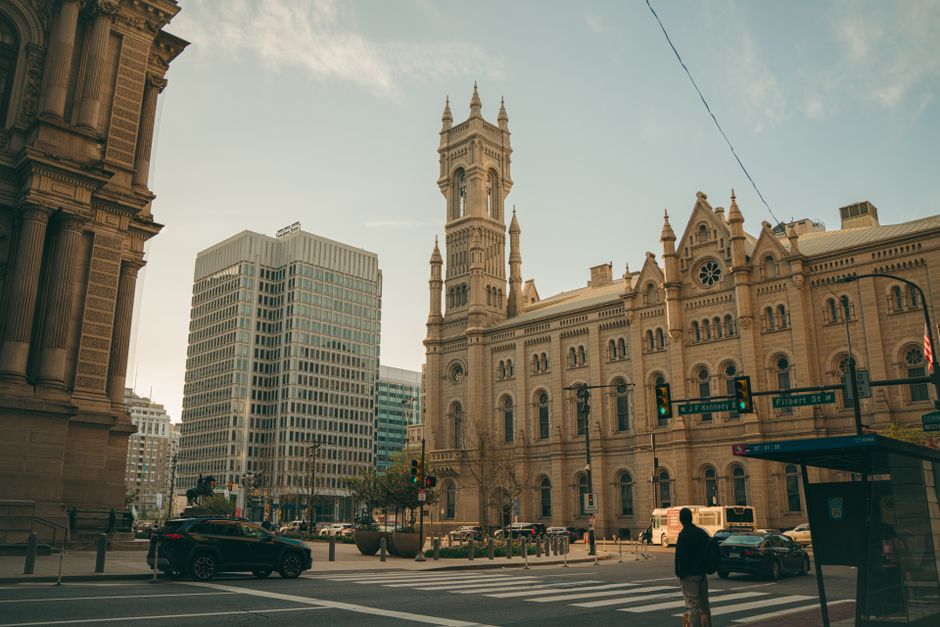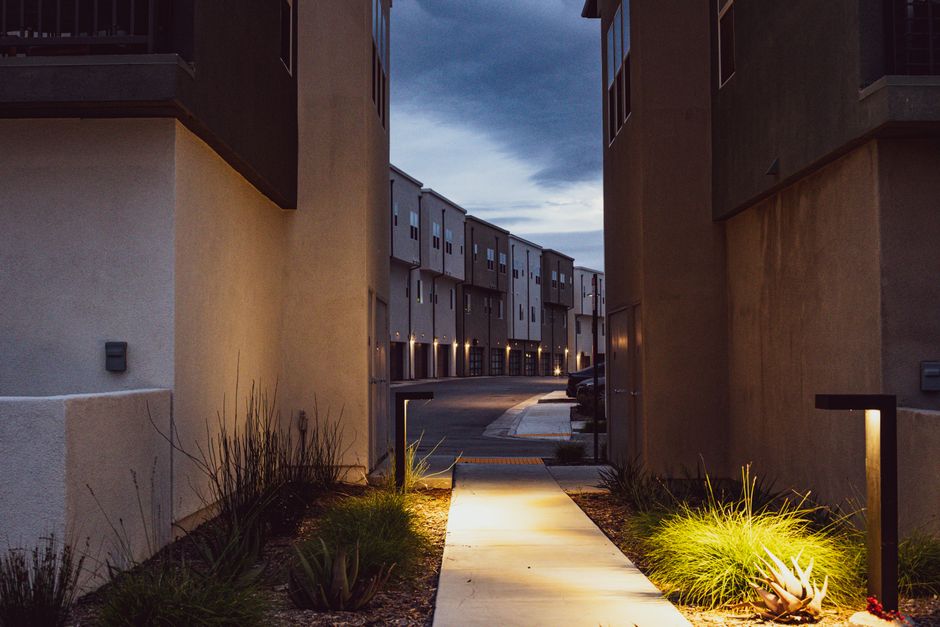
I landed at Albuquerque International at dusk on a Tuesday, rented a car I probably didn't need, and spent my first evening driving the grid trying to get a feel for where I actually wanted to stay. Old Town pulled me in first—the historic heart, all adobe and galleries and that particular light that makes everything look like a postcard. But I knew from experience that romance and walkability don't always overlap, especially when you're traveling solo and it's 10 p.m.
Albuquerque isn't Santa Fe, and that's mostly to its credit. It's bigger, messier, more blue-collar. The neighborhoods worth booking into as a short-term visitor aren't uniform. Some are genuinely walkable; others require you to drive. Some feel alive at night; others are quiet by design. What matters is figuring out what you actually want from your few days here, then matching it to a neighborhood that delivers.
Old Town: The Obvious Choice (For Good Reason)
Old Town is where people think Albuquerque lives. The plaza, the galleries, the San Felipe de Neri Church anchoring everything—it's compact, navigable on foot, and you can find a decent meal or a margarita within a five-minute walk. Gallery hopping is a real activity here, and yes, some of the art is worth looking at.
The walkability is genuine. You can spend an evening wandering without a car. Safety is decent during daylight and into the early evening; I'd be more cautious after midnight, though I never felt seriously threatened. The neighborhood skews toward tourists and older travelers—this isn't where you come for late-night bars and younger crowds.
Airbnbs here run $120 to $200+ per night depending on season and exact location. You're paying for proximity to the main attractions and foot traffic. Parking can be tight, and the neighborhood can feel touristy to the point of sterility if you're comparing it to the grittier parts of the city. But if you want everything walkable and safe, and you don't mind being in the obvious place, Old Town works.
Nob Hill: Walkable, Younger Energy, Mid-Range Pricing
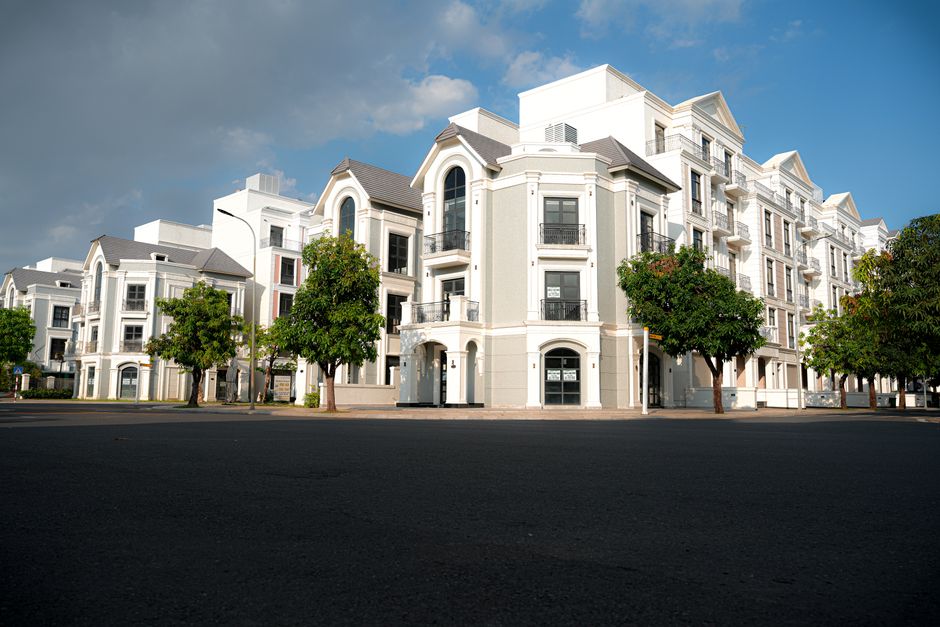
Nob Hill is what happened when young people with money started moving to Albuquerque without moving to Denver or Austin. It's the neighborhood along Central Avenue in the heights east of downtown—tree-lined streets, local coffee shops, vintage stores, and restaurants that actual residents eat at (not just tourists). The University of New Mexico is nearby but not dominating.
Walkability here is real. You can hit multiple coffee spots, bookstores, thrift shops, and restaurants on foot. There are bars—craft beer places, dive bars with pool tables—without it feeling like a bar district. I'd call it genuinely safe at night, though like anywhere, you use basic sense. The energy is younger and slightly hipster without being precious about it. This is where I'd book if I wanted to feel like I was actually living in Albuquerque for a few days instead of just passing through.
Nightly rates typically run $90 to $160. You get more space and local flavor for less money than Old Town. The neighborhood has actual character—not packaged character. If you want to walk to dinner, grab a beer, and then walk to a local bookstore that doesn't close until 9 p.m., Nob Hill is where you do it.
Downtown: Revitalizing, Uneven Safety, Good for Night People
Downtown Albuquerque is mid-revitalization. The Rail Yards Project has brought genuine development—galleries, restaurants, breweries—to what was once genuinely sketchy blocks. There are real restaurants here now, not chains. The art scene is actually active. On weekends, there's something happening.
But I need to be straight about this: downtown still has blocks that feel unsafe after dark, and some that don't. It's not uniformly comfortable. That said, if you're staying in a renovated building or Airbnb in the right blocks—near the Rail Yards, closer to Old Town—and you're comfortable navigating a slightly grittier urban area, there's real energy here. The nightlife is actual nightlife: bars with musicians, late-night crowds, the sense that the city is actually alive after 9 p.m.
Prices are cheaper than Old Town or Nob Hill—$70 to $130 per night depending on the building and exactly where you are. You're not walking everywhere; you'll want a car or rideshare ready. But if you want urban texture, cheaper rates, and access to a neighborhood actually going through change (not a destination that's been the same for 20 years), downtown is interesting. Just know the blocks you're actually in before you book.
Journal Center: Convenient, Quiet, Corporate-Friendly
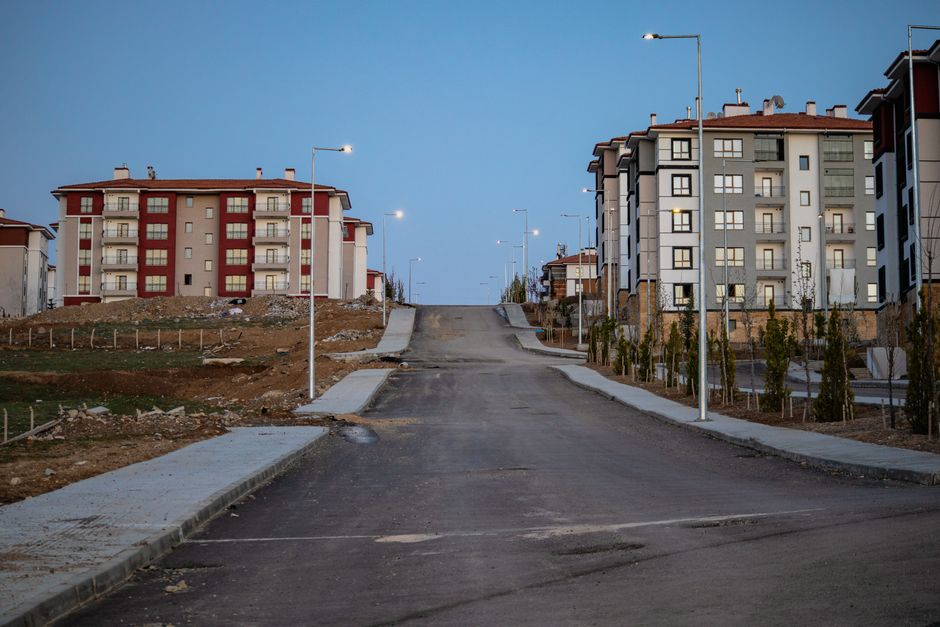
Journal Center is the northeast quadrant cluster of offices, hotels, and chain restaurants that grew up around the business district and I-25. It's not romantic. It's not where you go for local character. But if you're here for a conference, or you want a peaceful, entirely safe, completely walkable area with zero surprises and good restaurants, this is where you stay.
Walkability is fine—there's enough density that you can walk to dinner and coffee. Safety is completely reliable; this is a policed business district. Nightlife is nonexistent by design; this neighborhood rolls up at 9 p.m. It's quiet because there's nothing loud happening.
Airbnbs run $100 to $150 per night. You're not discovering anything. You're also not dealing with urban grittiness or tourist crowds. If you're traveling solo and you want zero friction—safe, clean, quiet, efficient—Journal Center delivers that. It's the neighborhood equivalent of a reliable sedan.
Uptown / Midtown: Strip-Mall Realism, Affordable, Fine for a Base
Uptown and Midtown are residential areas north of the university, toward the foothills. Strip malls, chains, actual houses. It's where people who live in Albuquerque actually live—not where tourists go. That's also not an insult. There's a genuineness to these neighborhoods that Old Town has to manufacture.
Walkability is limited. You're not getting around without a car. Safety is good; these are stable residential zones. Nightlife is restaurants and maybe a bar, nothing more. But that's fine if you want quiet and a real neighborhood feel. Grocery stores, dry cleaners, the actual texture of how a city operates—that's here.
Nightly rates are the cheapest in the city: $70 to $120. You're trading walkability and urban energy for affordability and authenticity. An Airbnb in someone's actual house, in an actual neighborhood, with a local landlord, at a real price. It's a solid choice if you've rented a car and you're treating Albuquerque as a base for exploring the broader region.
The Right Fit Depends on Why You're Here
Albuquerque doesn't have one obvious neighborhood the way some cities do. Old Town is the obvious tourist move, and it works fine. But Nob Hill is where I'd actually stay—walkable enough to be pleasant, cheap enough to not hurt, local enough to feel real, and with actual nightlife if you want it. Downtown makes sense if you like urban texture and you're comfortable with some roughness. Journal Center is your answer if safety and convenience matter more than character. Uptown or Midtown works if you want low rates and a genuine neighborhood.
Pick based on what you actually do with your time. If you walk everywhere and bar-hop, pick Nob Hill or Old Town. If you rented a car and you're exploring the broader region, stay somewhere cheap in Uptown and use Albuquerque as a base. If you want zero surprises, go downtown corporate or Journal Center. There's no wrong answer—just different tradeoffs.