I rolled into Asheville on a Thursday evening after six hours of winding through the Blue Ridge, and the first thing that struck me was how walkable the whole place felt. The downtown core bustled with people spilling between breweries and restaurants, the air humid and alive. When you're booking an Airbnb here, though, you've got real choices to make. The city isn't huge—maybe 95,000 people—but it's dense enough that neighborhood matters. I've stayed in five different pockets of Asheville over the past couple years, and I've learned that picking the right block can mean the difference between a restorative weekend and three nights of regret.
The Airbnb market here has matured past the point where anything with four walls and WiFi gets snapped up. Hosts are competing on location and character now, which is good news if you know what you're actually after. Some visitors want to be in the thick of things, stumbling between bars at midnight. Others want to be close enough to walk into town but far enough to actually hear themselves think. Let me walk you through the neighborhoods where I'd actually book.
Downtown / Historic Core
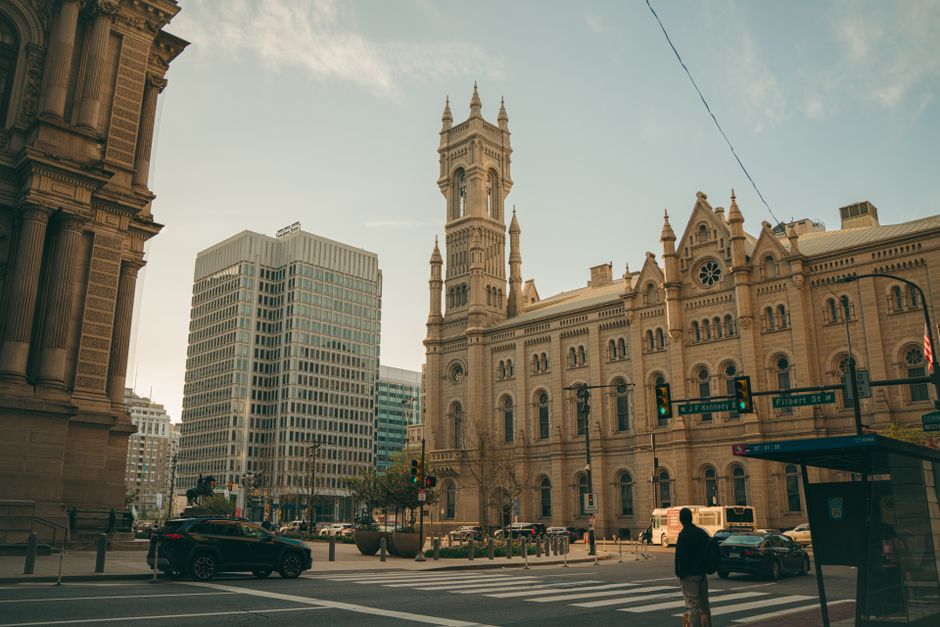
This is the obvious choice, and it's obvious for a reason. The blocks around Pack Square and Lexington Avenue are Asheville's nerve center. You're walking distance from maybe 30 restaurants, a dozen breweries, galleries, bookstores, the Basilica, River Arts District via the pedestrian greenway. The walkability score is absurdly high. At night, the streets stay lit and populated, which matters if you're traveling solo or with people who like nightlife.
There's a catch, though: noise. If you're planning to actually sleep before midnight and you're the light-sleeping type, a downtown unit directly above a bar or facing a main drag can be rough. The architecture here is mostly built-in-1920s, so sound travels. You'll also pay a premium—expect $140 to $250 a night for anything decent in the summer season, and that's not anchoring-location pricing, that's normal here.
Where downtown works best is for shorter stays where you plan to be out most of the day anyway. Three nights, lots of dining and drinking, no intention of afternoon naps. If you book, try to find places one block off the main tourist corridors. A unit on Church Street or Market Street will feel less like a hotel hallway and more like you actually rented someone's home.
South Slope (The Brewery District)
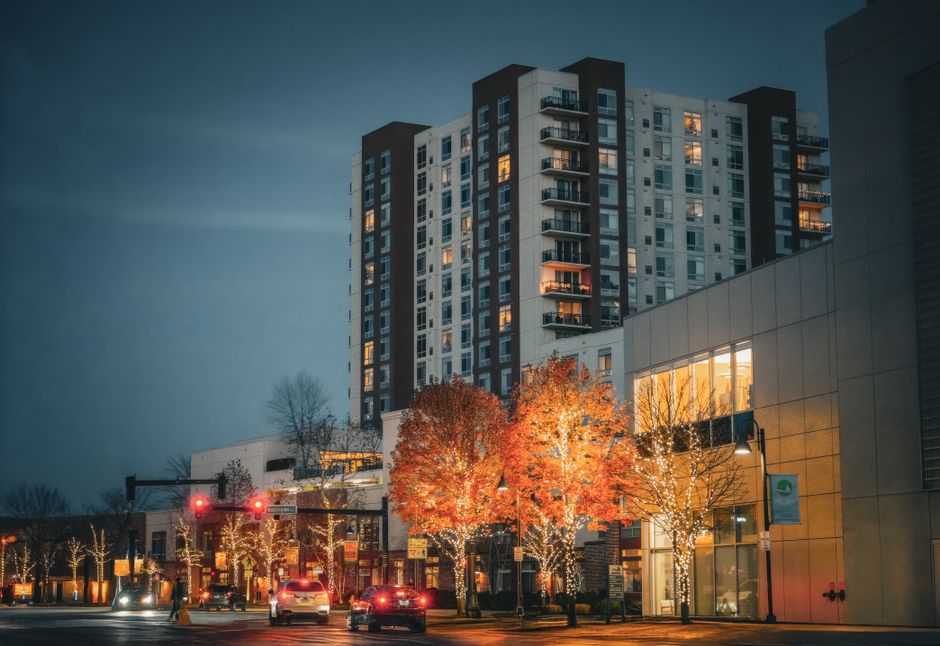
South Slope has transformed itself from a neglected industrial area into something between a craft-brewery theme park and an actual neighborhood. It sits just south of downtown, close enough to walk in fifteen minutes if you don't mind slight elevation gain. The vibe is younger, more deliberate—breweries and tasting rooms anchor converted factories, and the whole strip has that "we're open until we're not" energy.
Stays here run $110 to $180 depending on the season. What you get is proximity to nightlife without being directly in it. The neighborhood itself quiets down after 10 p.m., which means you won't have drunks singing under your window at 2 a.m. the way you might downtown. Walkability within the neighborhood is excellent—you can easily walk from one brewery to another—but if you want to reach other parts of the city, you're looking at a ten-minute walk or a short Uber.
I stayed in a loft-style Airbnb here last November, and what surprised me was how many people were actually living here, not just visiting. There are real restaurants beyond the brewery circuit, a coffee shop I actually liked, some residential streets that remind you this used to be genuine industrial neighborhood. It's gentrified, absolutely, but not yet completely sanitized. South Slope makes sense if you like beer culture, want walkability to specific attractions, but aren't interested in the downtown circus.
River Arts District
West Asheville across the French Broad River is where artists started moving when downtown became expensive, and now it's where people move when downtown feels too packaged. The River Arts District is home to working studios, street art, galleries, vintage shops, music venues, and genuinely interesting food. It's loose in a way downtown has stopped being.
Nightly rates here are generally $100 to $170, which undercuts downtown. Walkability is good along the main drag near South Lexington Avenue, but it's more sprawling than downtown proper. You'll find yourself walking further between destinations, which can be a feature or a bug depending on how much wandering you enjoy. At night, the neighborhood is safe but definitely quieter—fewer drunk crowds, fewer street performers, more locals actually trying to get somewhere.
What I like about River Arts is that it's still becoming something instead of already being something finished. You'll see new murals, a restaurant will open that surprises you, a musician will be playing in a storefront gallery for free. If you're the type who likes to get lost, find weird small places, and doesn't need nightlife handed to you on a plate, this is stronger than South Slope. The trade-off is you're slightly further from the main tourist infrastructure, which is either relief or inconvenience.

Montford (North Asheville Historic Homes)
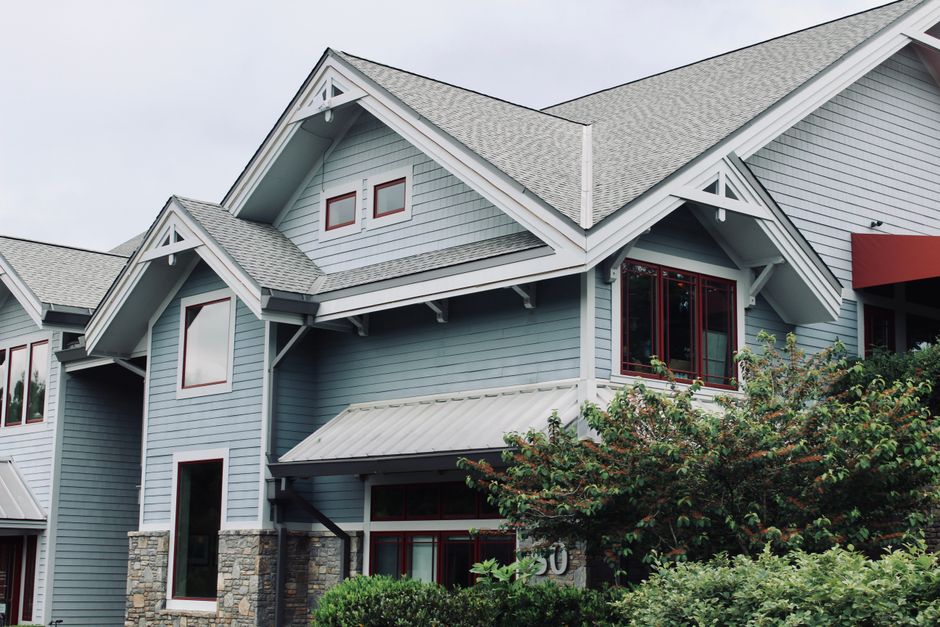
Drive ten minutes north and you hit Montford, a neighborhood of Victorian and bungalow homes that feels like you've stepped into a different era of the city. It's the kind of place where people live actual lives, not just visit. You'll see families, dogs, people working in gardens, the quiet infrastructure of a real neighborhood.
Airbnbs here run $85 to $140 a night, the lowest of the neighborhoods I'm covering. The trade is that you're further from downtown—walkable to a couple local restaurants and coffee shops, but downtown itself is a 15-minute walk or a short drive. If you came to Asheville to rest, read, take yourself on long walks through residential streets, and maybe venture downtown for one or two nights out, Montford works perfectly. It's safe, quiet at night, and you'll actually have quiet.
The one caveat: what you're renting is someone's actual home in someone's actual neighborhood. There's a certain responsibility to being respectful of that. Neighbors notice loud guests. Parking can be tight on certain blocks. But that same intimacy is part of the appeal—you're not in a tourist zone, you're temporarily living somewhere.
Practical Things to Know Before Booking
Asheville's Airbnb market gets tight in summer, especially weekends. If you're planning to visit June through August, book at least two months out. Fall foliage season (late September through October) fills up even earlier. Winter and early spring are your best windows for availability and negotiating price.
Parking matters more than you might expect for a walkable city. Downtown and South Slope have limited on-street parking; most Airbnbs include parking, but verify it's actually available and usable before booking. River Arts and Montford generally have better parking situations.
Transportation-wise, the city has a decent public bus system, but if you're planning to explore beyond neighborhoods, a car is useful. Asheville itself is dense enough to navigate without one if you're willing to walk and take Ubers, but the surrounding mountains and attractions (like Blue Ridge Parkway) really benefit from your own transport.
One last thing: check the specific street when you book, not just the neighborhood name. A unit on a quiet residential street two blocks away from a bar district will be wildly different from one directly on the main drag, even though both claim the same neighborhood. Read recent reviews and pay attention to what people actually say about noise and walkability.
Which One Is Actually Right for You
Downtown works if you want maximum walkability and nightlife, you sleep heavy, and you're only staying two or three nights. South Slope splits the difference—you get brewery scene and nightlife without downtown's tourist saturation, and the prices are slightly better.
River Arts is for people who came to Asheville because they read that it's weird and interesting, and they actually want to find those things instead of experiencing them through a brewpub lens. Montford is for people who secretly don't like traveling that much and would be happiest with a porch and a good book.
I've learned that the best Airbnb stay isn't the most Instagram-friendly one. It's the one that matches what you actually do on a trip. Asheville has enough different neighborhoods to let you pick something real instead of something that just looks good online.