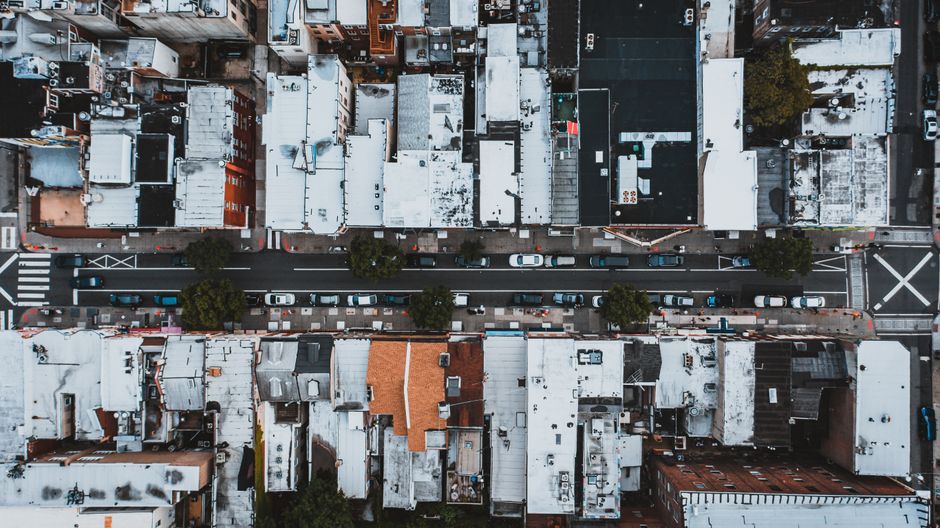
I came to Asheville expecting the usual—Biltmore Estate, River Arts District, maybe a brewery crawl. What I found instead was a city full of people actively trying to steer you away from the main attractions, which made me immediately trust it. After three days of wandering the neighborhoods beyond the tourist corridor, I realized the real Asheville isn't hidden at all. It's just quiet. The kind of place where you turn off Patton Avenue into a tree-lined neighborhood and suddenly the shop density drops, the crowds vanish, and you're genuinely exploring rather than consuming.
I'm not talking about places that are actually inaccessible or mysterious. Most of these spots have decent foot traffic if you're looking for them. But they're not the ones in the big glossy guides. They're where locals grab coffee, where they hike without waiting in a parking lot, where they go to remember why they moved to Asheville in the first place.
Cataloochee Valley: A Drive That Feels Like Time Travel
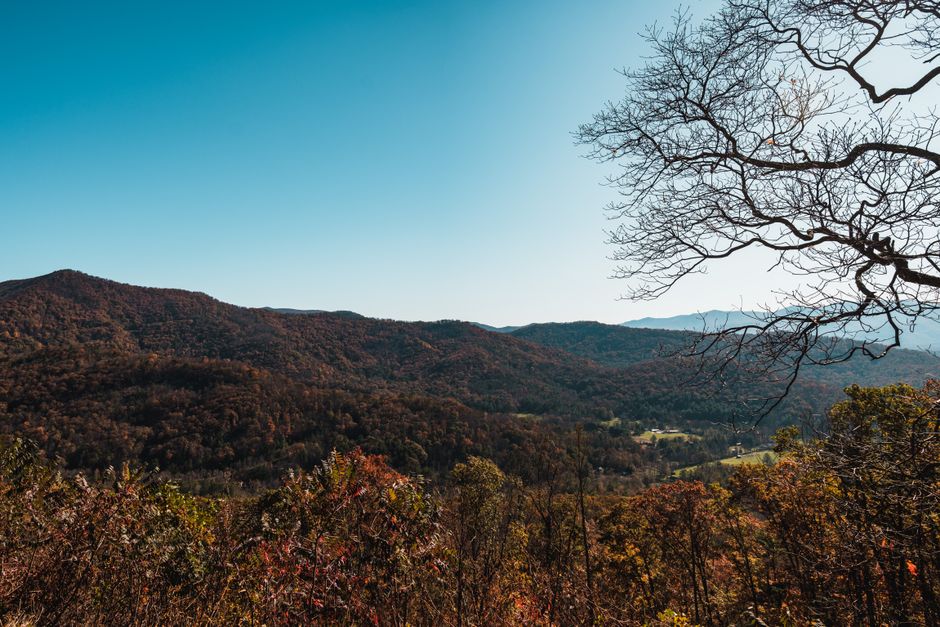
This one killed me. Less than an hour from downtown, the road into Cataloochee winds through a pass so tight and winding that most day-trippers from Atlanta or Charlotte don't bother. Once you drop in, you're in a wide valley with a handful of historic homesteads scattered across open fields, a creek running south, and elk grazing like it's 1890 and nobody told them to go anywhere else.
The valley has a few pull-offs and trailheads, but the real move is just driving slow, stopping wherever a gate doesn't forbid it, and walking into the quiet. There's a modest visitor center setup, and yeah, it can fill up on weekends. But I went midweek in October and had entire meadows to myself. The buildings—old Cataloochee homestead, church, barn structures—are legitimately historic without feeling preserved to death. You're walking through actual land that people lived on, not a curated museum campus. The drive back out took longer than the drive in because the road demands attention. Worth every minute.

The Blue Ridge Parkway at Folkart Center Road
Everyone knows the Parkway exists. Nobody seems to stop at Folkart Center Road. This is a pull-off with a short, steep trail down to a creek valley that doesn't get mentioned in the standard guidebooks, which means the few people who know about it are genuinely trying to keep it quiet.
The actual hike is maybe forty-five minutes round trip, elevation change around five hundred feet, nothing brutal. But it drops you into a hemlock-dominated gap where the noise from the Parkway fades completely and you're standing next to a small creek that knows how to move. The forest feels older here, less managed. In late afternoon when the light starts turning the understory golden, it's the kind of spot that reminds you why you drove to North Carolina in the first place instead of staying home watching reels of other people's vacations.
Access is straightforward if you know where to look on the milepost numbers. There's parking right off the Parkway. It's not secret—it's just overlooked.
Salvage Luxe and the Furniture District Off South Slope
I'm hesitant to mention specific shops by name because they're small operations and foot traffic can change their vibe, but Asheville has a cluster of salvage and architectural reclamation stores down past the main brewery corridor that are absolutely worth the walk. The one I spent an hour in had entire rooms of pulled doorframes, fixtures from demolished Appalachian houses, old hardware organized by decade.
It's the kind of place where you're not buying anything but you're completely transported by the texture of objects that have actual history. You can feel the difference between something mass-produced and something someone crafted by hand a hundred years ago. Prices skew expensive—this is Asheville, after all—but the experience is free, and the folks working there aren't pushy. They're just people who like objects. If you're into vernacular architecture or just the tactile reality of how people used to make things, thirty minutes here teaches you more than any museum would.
Pisgah National Forest: Glassmine Falls Without the Parking Lottery
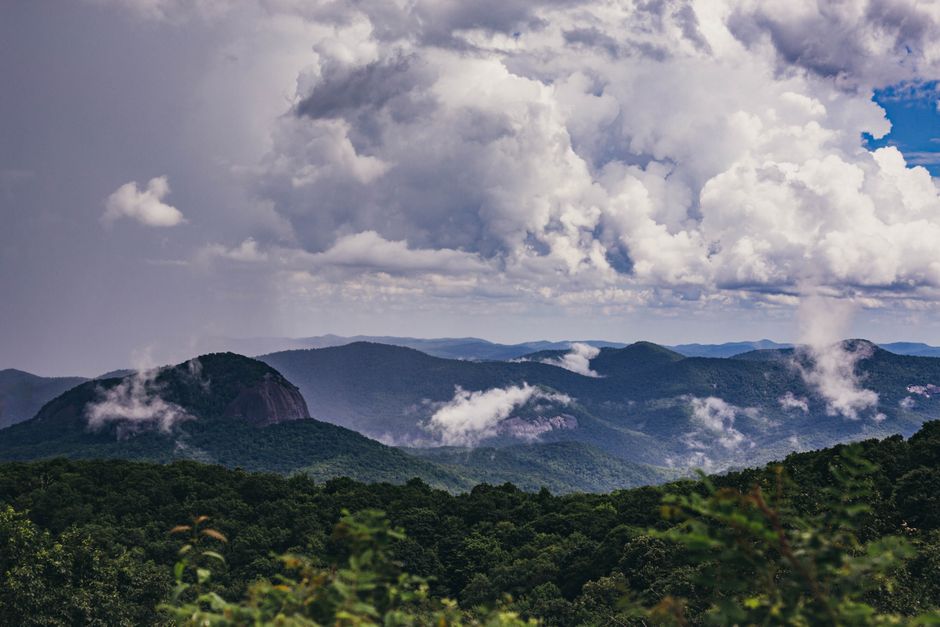
Glassmine Falls exists. Everyone and their Subaru knows Glassmine Falls now, and the parking situation has become genuinely ridiculous on weekends. So instead, spend an hour driving south from downtown into Pisgah National Forest proper, where the access is less trafficked and the waterfalls still fall.
Brevard is the practical jump-off point, and from there you've got options that don't involve arriving before sunrise to snag a spot. The waterfalls in that area run fast in fall and winter, and you're hiking alongside water that's actually moving with purpose. The trails aren't abandoned, but they're not packed. You might see a family or a small group, not fifty people taking the same photo.
The drive itself is beautiful—winding through forest, crossing the French Broad, valleys tightening up. It takes longer than shooting straight to the famous overlooks, but that's partly the point. The time you spend getting there is time you're actually using instead of just consuming Instagram content in physical form.
The White Rabbit Gallery and Asheville's Quieter Art Scene
The River Arts District gets the attention, and fair enough—the density of open studio spaces and galleries is genuinely impressive. But there are smaller galleries scattered through Asheville's residential neighborhoods that show up on nobody's maps. One I wandered into on a side street east of downtown had work by a handful of local artists, a coffee setup that the owner would make for you while you looked around, and exactly two other people in the space.
The work wasn't revolutionary, but it was made by people who live nearby, who probably walk to this space to work. It's the opposite of the commercial gallery tourism experience. There's no pressure, no carefully staged Instagram moment. You're just looking at objects that humans made, and occasionally the human who made them walks past.
These spaces shift over time—galleries open and close—but the principle holds. If you wander east or south from downtown on a weekday afternoon, you'll find quiet gallery spaces where actual engagement happens instead of image collection. That's the real art scene.
Parking Tip and the Reality of Visiting
Here's the unglamorous part: Asheville has a parking problem that no one's really solved, and pretending otherwise would be dishonest. On weekends and especially in leaf season, you're either arriving early, staying in a walkable neighborhood, or accepting that you'll drive around for twenty minutes.
The spots I'm describing require actual driving, which means a car, which means you're dealing with that reality. Midweek visits are empirically better if you can manage them. Monday through Thursday, the entire city feels different—less rushed, fewer cars cycling through looking for spots, restaurants that actually have reservation availability.
If you're visiting on a weekend, pick one neighborhood and commit to it. Don't try to bounce between South Slope and North Asheville and Cataloochee in one day. You'll spend it all in your car. Pick a focus—a few galleries and a coffee shop, maybe one waterfall hike, dinner in the neighborhood you're in. The city reveals itself when you stop trying to check boxes and just sit with the place for a few hours.
What Keeps People Here
After three days of walking and driving through Asheville, the question isn't why tourists come. It's why so many people who visited once decided to stay. The mountains are there, obviously. The food and beer situation is genuinely good without being as performative as it is in some other cities. But the real draw seems to be quiet—the ability to live at a human scale in a place that's actually beautiful.
That's the thing about the lesser-known spots. They're not hidden because they're secret. They're quieter because most people come to Asheville with a list, and these places aren't on the list. Once you stop treating Asheville like a destination to complete and start treating it like a place to spend time, the city opens up completely differently. The parking lot overcrowding suddenly matters less. The price of beer seems fine. You understand why people move here to do absolutely nothing except exist in a place that looks like that.