
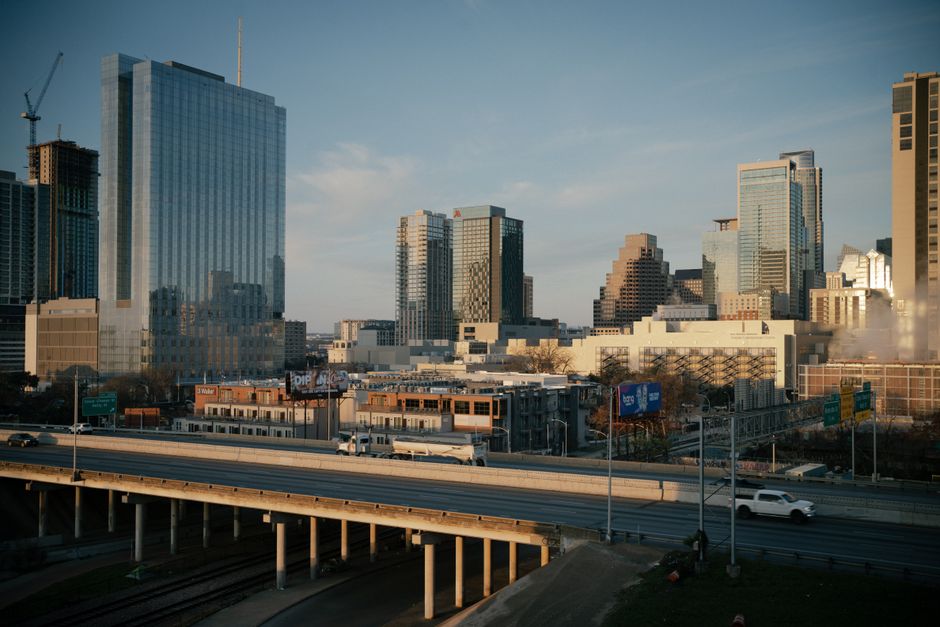
I arrived in Austin on a Tuesday afternoon with no real plan, which is how I prefer to travel. I'd booked an Airbnb sight unseen based on a friend's vague recommendation and honestly wasn't sure what I'd gotten myself into. The city's sprawl is real—you can drive for twenty minutes and still be in Austin, still not at anything worth seeing. But the neighborhoods where people actually stay, where you can walk somewhere for dinner or a drink without getting in a car, those are finite and worth knowing about before you book.
Austin's Airbnb market is chaotic. Prices fluctuate wildly depending on festival season, UT's academic calendar, and which influencer just posted about the place. You'll find people charging $200 a night for a closet and people charging $80 for something that seems overpriced until you actually stay in it. The neighborhoods I've spent real time in—not just passed through—cluster around downtown, the eastside, and the central corridor. They're the ones where you can actually live like a local for a week, not just point a camera at street art.
South Congress (SoCo): Where the Money Is, and You'll Know It
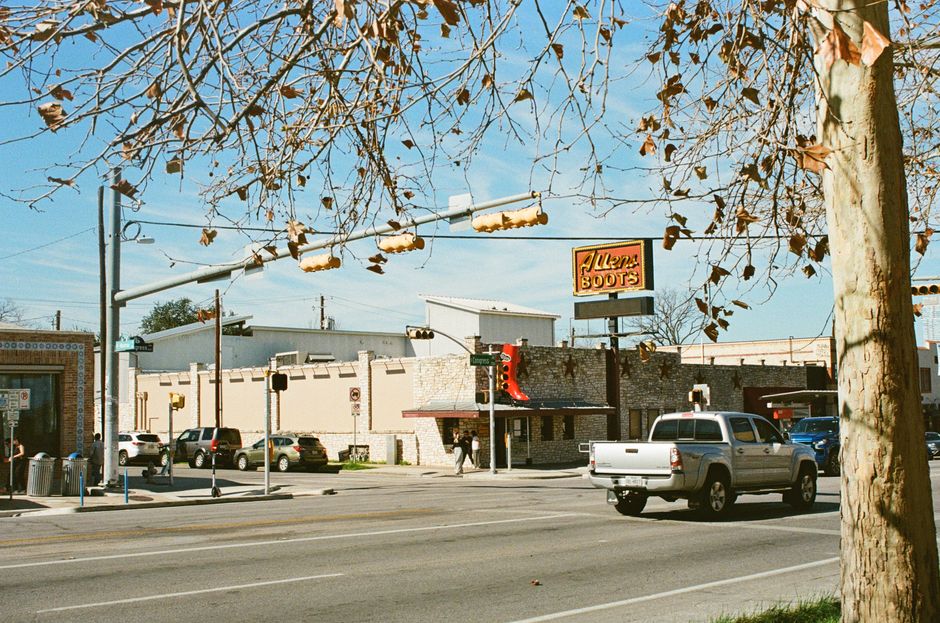
South Congress Avenue is Austin's main character neighborhood, the one that shows up in travel magazines. It runs about two miles from downtown south to Oltorf Street, lined with boutiques, vintage shops, tacos, and increasingly, corporate chains trying to look indie. The vibe is walkable, actively curated, and expensive. Nightly Airbnb rates typically run $150–250 depending on the season and what you're renting.
The appeal is obvious: you can walk to dinner, coffee, shopping, and some of the city's better bars without thinking about parking. Barracuda, Home Slice Pizza, Matt's El Rancho, Torchy's Tacos—they're all within reasonable walking distance. The neighborhood feels safe at night, though "safe" is relative; it's well-lit and populated, so you don't feel alone.
The trade-off is that SoCo is never quiet. Sixth Street is three blocks over, and you can hear it on weekends. The neighborhood itself doesn't rage like downtown does, but it's not sleepy either. If you're here to go out, that's perfect. If you want to sit on a porch and read, you might get a few hours in the morning before the day traffic picks up. The people are younger, more transient, less likely to be from Austin originally. It's great for a week if you want urban energy; it wears thin if you stay longer.
East Austin: The Actual Neighborhood (or What's Left of It)
East Austin is where the bones of old Austin still live, at least for now. I stayed in a converted house near Rainey Street—not technically East Austin by the strictest boundaries, but close enough in spirit—and it felt like the actual city. Working-class history, older homes being renovated, a mix of longtime residents and newcomers. You get some of that here, though the gentrification is visible and uncomfortable if you're paying attention to it.
Rainey Street, which runs parallel to I-35, is the accessible heart of East Austin tourism. It's walkable, lined with bars and restaurants in converted cottages, and feels more authentically Austin than SoCo, even if that authenticity is increasingly curated. Prices run $100–180 per night for short-term rentals, depending on what exactly you're renting and the season. The neighborhood has some actual character—graffiti murals that aren't Instagrammable in a obvious way, food trucks that serve people who work in the neighborhood, not just tourists.
Safety is worth mentioning directly. Rainey Street itself is fine at night, busy actually, especially on weekends. If you venture a few blocks east or north into the deeper neighborhood, it's fine but worth being aware of your surroundings. The streetlights aren't as consistent, and you're more likely to encounter actual residents than tourists. That's not a knock—it's just different from SoCo. Nightlife here is concentrated on Rainey Street. Once you get a block off the main drag, it's residential. Good for people who want walkability without the constant noise.
Downtown: The Tourist Default (Not Terrible, Just Tourist)
Downtown Austin is where most Airbnbs show up in search results, and for logical reasons. It's walkable, it's safe at night by virtue of being absolutely packed with people and police, and you're in the middle of everything—Lady Bird Lake, Sixth Street, the bars, the restaurants. Nightly rates tend toward the higher end: $160–280 for anything decent, more during festivals or UT graduation weeks.
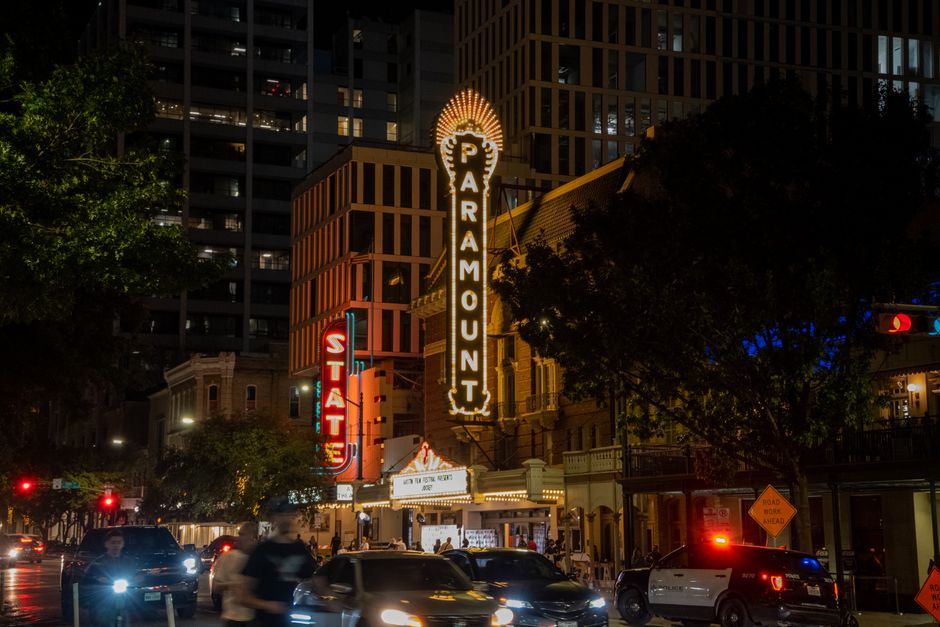
The practical advantage is that you'll never need a car. Walk to the airport shuttle, walk to restaurants, walk to nightlife. Sixth Street is a wall-to-wall bar scene that genuinely never stops, especially Thursday through Saturday. It's fun if that's what you want. Less fun if you're trying to sleep before 2 a.m. Congress Avenue Bridge is within walking distance—you can catch the bat flight at dusk, which sounds touristy until you actually see several million bats pouring out from under a bridge at sunset, and then it's genuinely weird and cool.
The trade-off is that downtown feels like a downtown. There's no neighborhood flavor, no sense of actual residents living actual lives. You're in a hotel district that happens to use Airbnb listings. The area is very safe at night, very clean, very controlled. It's the Vegas version of Austin—the experience you get if you're mostly interested in bars and scenes rather than understanding how the place actually works.
Mueller: If You Want Suburban Walkability (Yes, That's a Thing)
Mueller is a neighborhood north of downtown that I initially dismissed as too residential, too mall-like, too planned. I was partly right about the planning—it's a development that was built to be walkable and mixed-use, which gives it an artificial feel compared to neighborhoods that just evolved that way. But if you want walkability without the drunk crowds, it's worth considering.
The neighborhood centers around Mueller Lake Park and a central plaza with shops, restaurants, and a farmer's market (Wednesdays and Saturdays). It's the kind of place where families actually want to be, which means it's never going to feel as cutting-edge as SoCo or as gritty as deeper East Austin. Airbnb prices typically run $90–150 per night, which is genuinely reasonable for Austin.
The appeal is mostly practical: safe at night, walkable, quieter than downtown, lower price point. The nightlife is minimal—a few bars and restaurants, but nothing that stays open until 3 a.m. serving $2 margaritas. If you're here to work remotely, sleep well, and have dinner in a neighborhood that feels like a place rather than a tourist scene, Mueller works. Just don't come expecting Austin's reputation for live music and debauchery. That's three miles south.
Zilker and South Zilker: Nature Adjacent, Sort Of
Zilker is the neighborhood that touches Zilker Park, which is Austin's main park—77 acres with a spring-fed pool (Barton Springs), hiking trails, sports facilities, and enough open space to actually breathe. The neighborhood itself is residential, quiet, with tree-covered streets and older houses. It feels genuinely removed from downtown, though it's only about two miles south.
The advantage is the park access. You can walk out your door and hike, swim, bike, or just sit outside without being in a bar. The neighborhood is safe at night and quiet, sometimes too quiet depending on what you're looking for. Airbnb prices typically run $110–170 per night. There's some walkable restaurant and bar traffic along Barton Springs Road, but it's nothing like downtown or SoCo.
The downside is that you'll want a car. The park is walkable, but the rest of Austin requires driving. There's no grocery store within a reasonable walk, no real nightlife within the neighborhood proper. If you're here for 3-4 days and you're genuinely interested in outdoor time—swimming, hiking, biking—then it's perfect. If you're here for a week and you want to experience Austin's food and music and neighborhood culture, you'll find yourself driving to other areas most nights anyway, which defeats the purpose of being in a walkable neighborhood.
Making the Decision: What Actually Matters
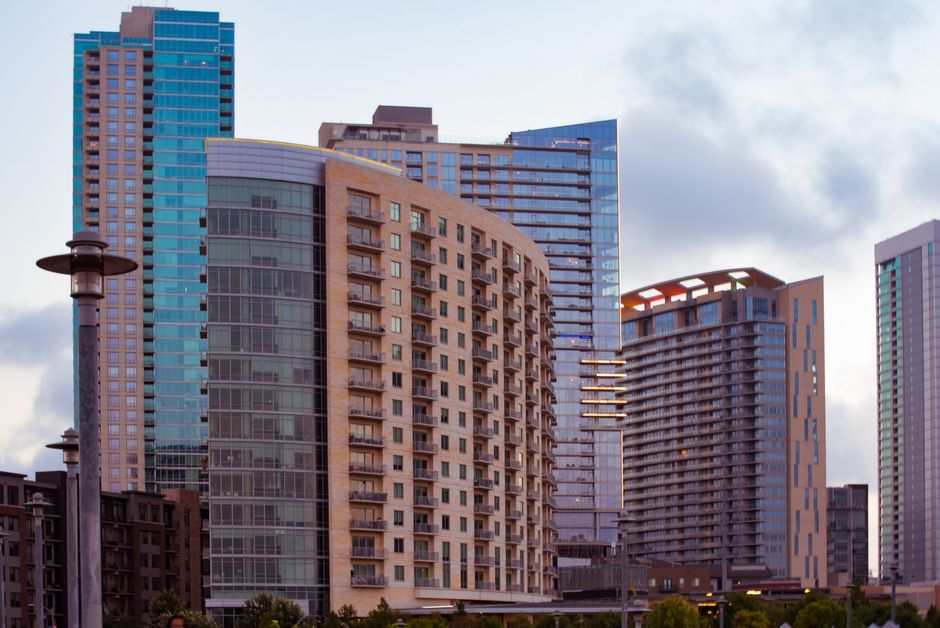
Choose your Austin neighborhood based on what you actually want to do, not what Austin's reputation tells you to want. If you're here for live music, bars, and nightlife, downtown or SoCo works, though both are loud and expensive. If you want to understand how the city actually functions—coffee shops where workers spend their mornings, restaurants where regulars eat, streets where things happen off the grid—East Austin and Rainey Street are closer to that, though gentrification is making it harder to find the real thing. If you want quieter walks and nature time, Zilker or Mueller deliver that, though you'll be more isolated from the main action.
Book early. Austin's Airbnb market is increasingly tight, and prices spike faster than you'd expect. Mid-week stays in quiet neighborhoods are often cheaper than you'd think—sometimes $30 less per night than weekend rates in the same building. Know when festivals are happening. F1, SXSW, Austin City Limits, Graduation Week—prices can triple. Stick to neighborhoods where you can actually walk somewhere, because traffic here is genuinely brutal and you will hate sitting in it during your vacation.
I ended up staying a second week because the first neighborhood worked out. That's the goal—not finding the Instagram-best spot, but finding the place where you can actually live for a few days without calculating your next ride or staring at your phone for restaurant reservations. Pick a neighborhood, commit to it, and stop second-guessing. Austin's good enough that almost any neighborhood you choose will have something worth experiencing.



