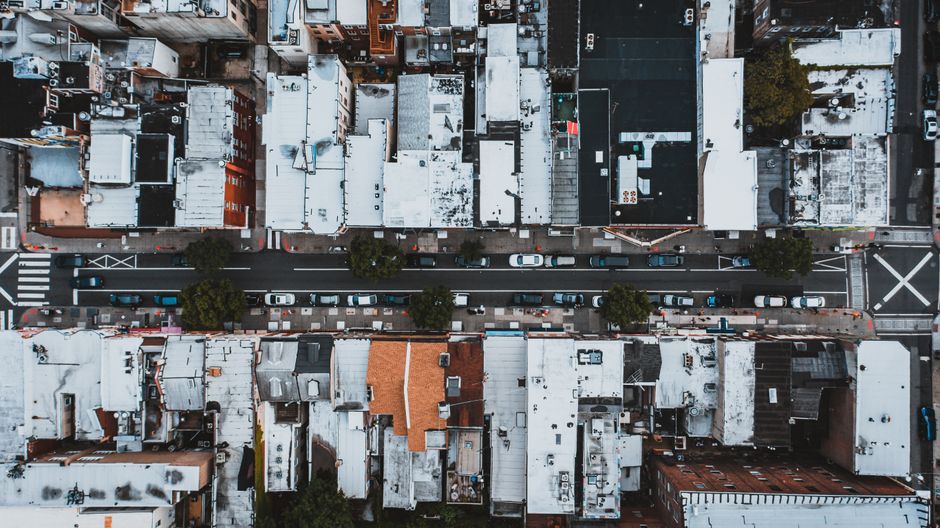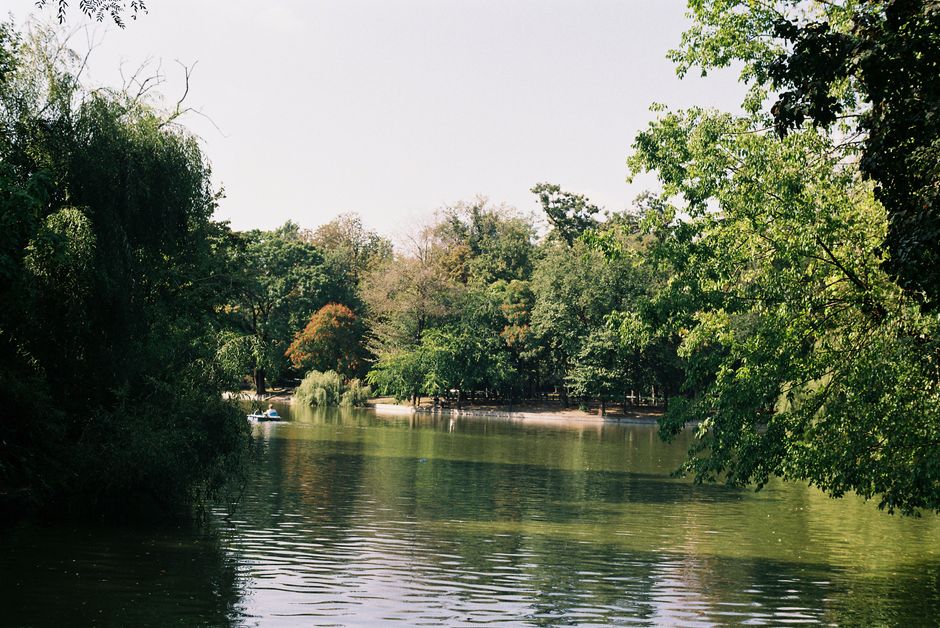
I arrived in Austin on a Thursday afternoon with the usual plan: hit Barton Springs Pool, walk Congress Avenue, maybe catch some live music on Sixth Street. By Friday evening I'd abandoned that script entirely. The city kept pulling me eastward and northward, away from the clusters of visitors with their neon bar crawls and Instagram photo ops. What I found instead were neighborhoods where locals actually spend their weekends, parks where you can think, and a couple of small places that felt like they'd been waiting for someone to show up and pay attention.
Austin's reputation for weirdness is overblown—it's mostly a marketing slogan now. But the weird part, the part that actually matters, is scattered across the edges. You have to wander a little. Skip the drone-shot viewpoints and the restaurants with 45-minute waits.
Walnut Creek Metropolitan Park and the Trail Nobody Takes
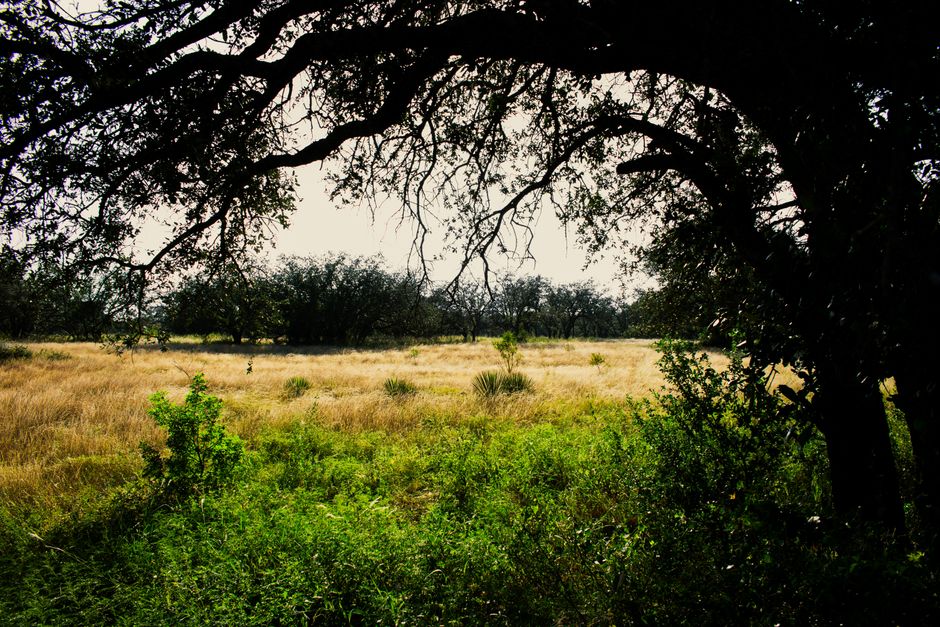
Most people heading north out of downtown stop at Mount Bonnell or maybe Phil's Ice House and call it a day. Walnut Creek sits further out, past the suburbs starting to thin, and it doesn't have the dramatic overlook views that draw crowds. What it has is actual forest. Real trails that don't feel like outdoor mall corridors.
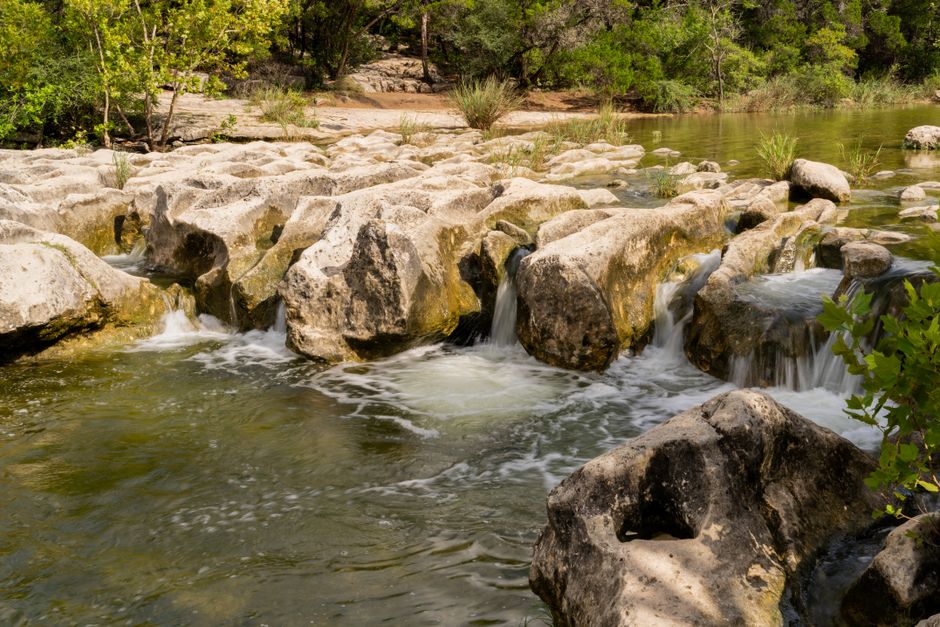
I spent a Saturday morning there and saw maybe a dozen other people across two hours of walking. The park has a lake, limestone outcroppings, and enough shade that even in warm weather you're not dying. The main loop is manageable for a solo traveler without serious hiking experience—couple hours, well-marked. There's something about being north of the city proper, where the landscape feels less managed, less Instagram-ready. The parking isn't always obvious from the main road, which probably works in your favor if you're trying to avoid the weekend crush.
The Blanton Museum and Why You Shouldn't Skip University of Texas Campus
I'd written off the UT campus as just another college sprawl until someone mentioned the Blanton. It's the university art museum, admission is free or donation-based depending on when you go, and it's staffed with the kind of calm that suggests they're genuinely not expecting tour groups. The collection isn't world-class, but that's not really the point. You get actual space to think, galleries that don't feel designed to move you through as quickly as possible.
The surrounding campus is worth an hour of wandering too. There are courtyards with old trees, the tower that nobody really talks about anymore, and enough quiet corners that you forget you're in a major city. I grabbed coffee at one of the student spots and sat reading for two hours without anyone treating me like I didn't belong. The campus borders on downtown but feels removed from it—slower somehow.
Congress Avenue Under the Bridge (But Not the Bats)
Everyone comes for the Mexican free-tailed bats at dusk. They're real, they emerge, it's actually worth seeing if timing works out. But the bridge itself, the pedestrian area beneath it on the south side, becomes a different kind of place once the sun drops and the bat tourists clear out. There's a mural situation down there, street musicians who aren't competing with fifty other buskers, and a few bars and spots along the water that don't charge fourteen dollars for a beer.
I watched a trio of musicians set up around midnight on a Friday. No cover charge, no pressure to buy anything. Just people playing music because the acoustics were good and the space was there. That's the actual Austin underneath the branded version—people making use of public space without waiting for permission or scheduling it on a Ticketmaster calendar.
Zilker Botanical Garden When the Crowds Aren't There
Zilker Park itself is fine, nothing shocking, pretty standard for a major city park. But the botanical garden section is something different, especially on a weekday afternoon when maybe fifty people are actually inside. It costs a few dollars to get in, and that small barrier seems to keep out most of the casual foot traffic.
I went on a Tuesday in late afternoon. The light was good but soft, not the harsh midday glare that bakes the place. The Japanese garden section feels genuinely separate from the rest of the city—not secret exactly, just quiet. You can sit on a bench and actually think for twenty minutes without being aware of Austin around you. That's rare enough in a city this size that it's worth planning around.
The Drinks and Small Hours at Barracuda and the Lower Congress Scene
Most tourists stick to Sixth Street's neon glut or hunt for honky-tonks on Broadway. Lower Congress, the stretch south of downtown, has a different rhythm. Barracuda and similar bars along that corridor are genuinely neighborhood joints that happen to serve alcohol. They're not designed for bachelor parties or themed bar crawls. The bartenders know regulars. The music is usually good because nobody's worried about whether the DJ can handle a crowd of three hundred.
I was in Barracuda on a Wednesday night and the place was maybe half-full with people who seemed to actually live in the city. No one was shouting over the noise, no one was doing the downtown shuffle between six different venues. It's the kind of bar where you can have a conversation, or sit alone and not feel like you're failing at the social experience. The drinks are regular prices. The atmosphere suggests Austin still exists somewhere underneath the tourism infrastructure.

East Austin's Lesser-Known Corridors
East Austin gets some attention now, but usually for the same three blocks of Instagram-bait murals and new restaurants with long waits. Real East Austin, the parts that were there before the boom, is in the surrounding streets. Older businesses, better taquerias, a sense that the neighborhood belongs to people who work there rather than people visiting it.
I spent a morning walking Cesar Chavez and some of the cross streets without any particular destination. Bought coffee from a place with handwritten menus taped to the counter. Watched a neighborhood come alive around me. It's not dangerous or edgy—that framing does it a disservice. It's just a place where people live and work. That's the opposite of what tourism in Austin usually sells, and it's why it's actually worth your time.
Why the Main Tourist Path Misses the Point
Austin's reputation rests on being weird and authentic, then does everything possible to package that reputation for mass consumption. The result is a downtown core that feels like it was designed by committee to hit certain demographic targets. Live music venues that charge cover to keep out randos. Bars with thousand-person capacities. Everything optimized for crowds and photos.
The actual Austin experience—the part worth the trip—requires stepping outside that infrastructure. It's not hidden, exactly. It's just not marketed. It won't give you the stories you came to tell. But it might actually change how you think about cities, or at least give you a couple of days that don't feel designed by someone in a marketing meeting.