I arrived in Chattanooga on a Thursday evening with no real plan beyond knowing I wanted to spend a few days wandering around. Most cities I visit, I nail down a neighborhood before I book—know what's walkable, which blocks feel good at 11 p.m., where I can actually get a decent meal without a car. Chattanooga's revitalization over the past fifteen years has been real enough that the old travel-blogger advice about where to stay isn't completely outdated, but it's not complete either.
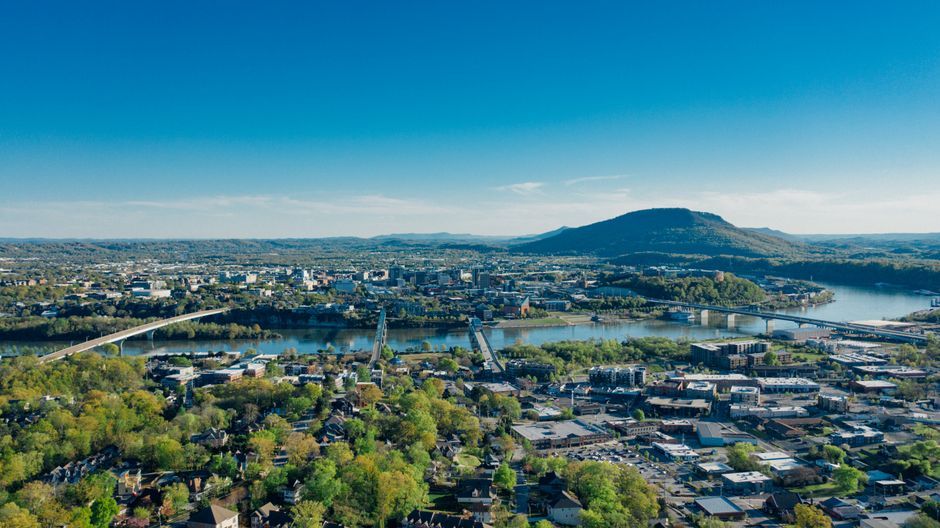
The city sits in a bend of the Tennessee River with some genuinely good bones: an aquarium that doesn't feel like a tourist trap, actual riverside trails, neighborhoods that have shifted from overlooked to genuinely appealing without turning into a theme park version of themselves. None of these areas will feel exotic or undiscovered—they're popular enough that Airbnb hosts know their value. But they're also places where you can actually spend a week without wanting to leave.
I spent time in five different neighborhoods over several visits, walked at various hours, ate at places locals actually go to, and tried to get a real sense of where you'd want to base yourself. Here's what I found.
Downtown and the Riverfront District
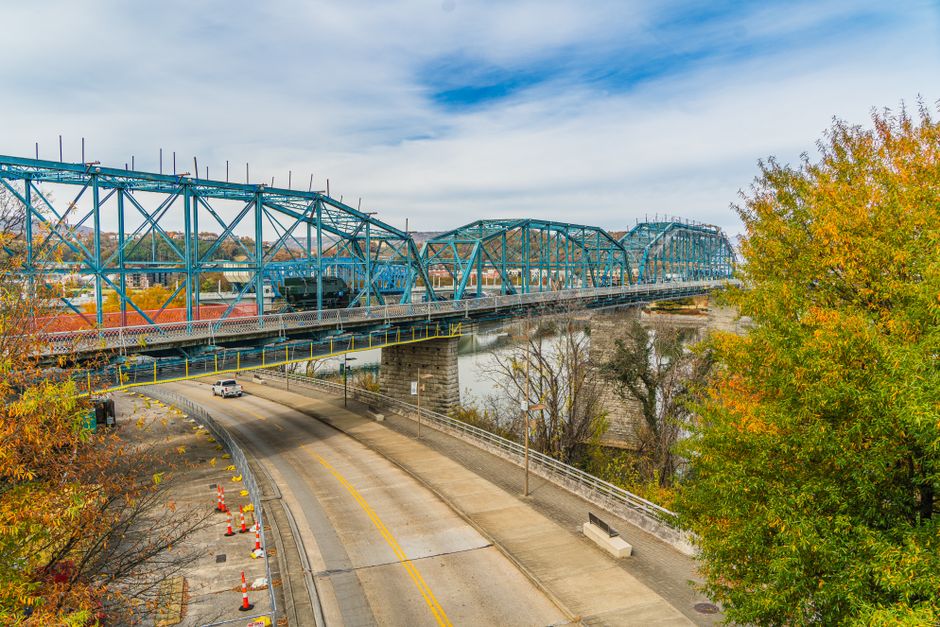
Downtown Chattanooga is the obvious choice, and that's partly because it's earned it. Market Street and the surrounding blocks have real energy—galleries, breweries, restaurants that aren't chains. The North Shore area across the pedestrian bridge connects you directly to trails along the river, which is something you actually use if you stay here, not just something that sounds nice.
Walkability is excellent. You can move between neighborhoods on foot, get to the Tennessee Riverwalk without crossing a highway, and find yourself in a different vibe every few blocks. At night, it's busy enough to feel safe, especially on weekends. The downside is noise—you're hearing live music from bars, late-night chatter, the occasional group doing a bar crawl. If you want quiet mornings, downtown isn't it.
Nightly rates for a decent one-bedroom Airbnb run $120–$180, though prices spike significantly during events like River Rocks or holidays. It's touristy, sure, but the tourists are there because there's actually something to do. That matters.

St. Elmo and the South Shore
South Chattanooga, particularly the St. Elmo neighborhood, has that feeling of being discovered but not yet fully exploited. It's where younger people and creative types have been moving for the past five years. The corridor along St. Elmo Avenue has independent coffee shops, thrift stores, small restaurants, and the kind of neighborhood feel that downtown has mostly lost.
It's walkable enough if you're staying near the main avenue, though you'll want to be somewhat deliberate about which blocks you choose. I felt safe walking around at night, but it's definitely quieter than downtown—fewer people on the street, more residential. That's a feature, not a bug, depending on what you want from a trip. If you're looking to stumble into spontaneous nightlife, go downtown. If you want to be able to have a conversation on a patio without shouting, St. Elmo works.
Airbnbs here tend to run $90–$150 per night, which is notably cheaper than downtown while still being close enough to walk to good restaurants and bars. It feels like the neighborhood is in genuine transition, which can be appealing if you like a bit of grit mixed with the progress.
Northgate
Northgate, directly across the river from downtown, has become the de facto second downtown over the past few years. It's where the Hunter Museum is, where several of the newer restaurants and breweries have landed, and where you get river views without feeling like you're in a tourist zone. The neighborhood has a more laid-back vibe than the main downtown corridor—less crowded, slightly more residential, but still genuinely walkable and with plenty to do.
The pedestrian bridge connecting it to downtown is one of those things that actually works. You're not isolated, but you're far enough removed to feel like you're in a neighborhood rather than a commercial district. Safety is fine; I've walked around at 10, 11 p.m. without concern. It's quieter than downtown in terms of nightlife—bars and restaurants close at reasonable hours—but there's enough activity that you don't feel like you're in a sleepy suburb.
Expect to pay $100–$160 for a decent Airbnb here. It's positioned well if you want easy access to downtown's attractions without being embedded in downtown's noise. The river views are a nice bonus if your rental has them.
Highland Park and East Chattanooga
Highland Park is one of the older, more established neighborhoods—tree-lined streets, Victorian homes, the kind of place where people actually seem to live rather than just visit. It's considerably quieter than the downtown or riverside areas, and walkability drops off depending on your exact location. You're not walking to dinner as easily, but the neighborhood itself is pleasant to move around in during the day.
East Chattanooga, a bit further out, has been going through some genuine revitalization. It's where you'll find some interesting smaller galleries, studios, and newer restaurants, but it's also still clearly in transition. There's a real neighborhood here, not a gentrified theme park, which has its appeal. It also has its complications—you want to be somewhat intentional about your block, and it's less walkable overall than downtown or St. Elmo.
If you're staying in either area, you're probably using a car or ride-share more than you would downtown, but you're also paying less and getting more actual Chattanoogan experience. Nightly rates run $80–$130, and both neighborhoods feel like genuine places where people live their lives, not destinations designed for consumption. That trade-off works for some travelers; for others, it's a compromise not worth making.
The Gulch
The Gulch, technically part of South Chattanooga, deserves its own mention because it operates with a completely different character. It's the neighborhood that got hit hardest by the revitalization wave—all new construction, expensive restaurants, upscale boutiques. It's walkable and safe, with plenty of people around, but it feels more like a lifestyle brand than a neighborhood. That's not necessarily bad; it just shapes what you get from staying there.
If you want everything polished and designed, with zero ambiguity about whether a spot is safe, the Gulch delivers. You'll pay for it, though. Nightly rates run $150–$220 or higher, depending on the rental. It's where corporate travelers and couples looking for a weekend getaway end up, which tells you something about the vibe. The restaurants are good, the bars are decent, and you'll feel like you're in a legitimate entertainment district. But you'll also feel like you're in the designed version of a city rather than the actual city.
Practical Things to Know Before Booking
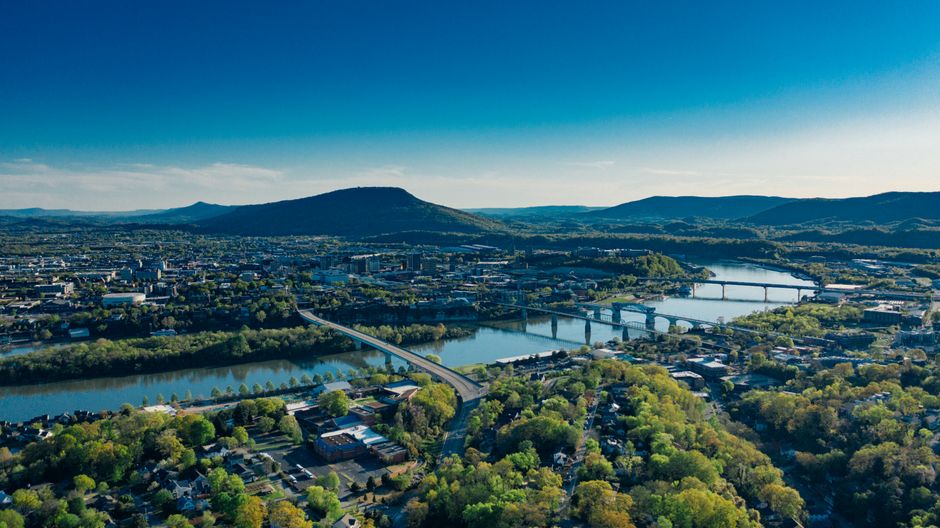
Chattanooga doesn't require a car if you're staying downtown, Northgate, or St. Elmo—you can genuinely walk places or use ride-share. If you pick Highland Park or further east, you'll want one. The Riverwalk is the main draw that repeats—people come back to it because it actually works as a place to spend time, not just a photo backdrop. It's free, maintained, and connects several neighborhoods.
Prices fluctuate with events and seasons. Summer weekends and anything coinciding with a major downtown event will be significantly more expensive. Weekday rates in shoulder seasons can be surprisingly reasonable. The neighborhoods I've mentioned range from about $80 to $220 per night, and your choice really depends on whether you want urban energy, neighborhood character, or something in between.
One last thing: Chattanooga is humid. It's in a river valley in Tennessee. If you visit in summer, expect to be warm and possibly damp. It's not a secret, but it shapes how you experience a neighborhood—whether those tree-lined streets in Highland Park feel pleasant or oppressive depends partly on the season. Book accordingly.