
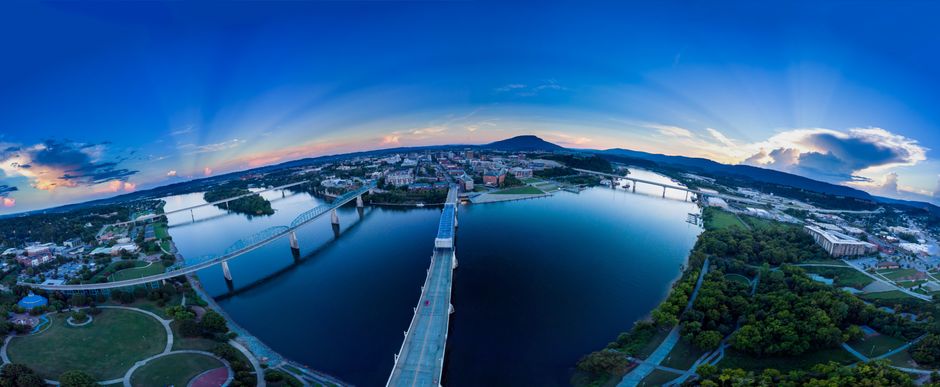
I rolled into Chattanooga on a Thursday afternoon expecting the usual Riverfront tourist loop—the aquarium, the walking bridge, maybe a riverboat. What I found instead was a city that felt genuinely surprised when I wandered anywhere else. Most visitors never leave that immediate downtown corridor, which means entire neighborhoods, viewpoints, and small museums sit quietly waiting for someone to actually show up.
After three weeks of backtracking through downtown's main attractions and then disappearing into the neighborhoods beyond, I realized Chattanooga has a much deeper layer than the postcard version. The real city lives north of the river, inside old Victorian houses turned into galleries, on hilltop overlooks that rival the famous ones, and in the kind of small museums where the staff actually knows who you are by hour two.
Here's what I found when I stopped following the obvious route.
Walnut Street Bridge at Off-Hours
Everyone knows about the bridge—it's the third-longest pedestrian bridge in the world, it lights up at night, tourists photograph it constantly. What they don't know is that most of them visit it between 10 a.m. and 4 p.m., which means the best time to actually walk it is early morning or around sunset.
I crossed it at 6:45 a.m. on a Wednesday and had maybe a dozen other people on the whole span. The city was still waking up. The river looked different—not packaged, not curated. The light wasn't performing yet. I got halfway across and just stopped, looking upriver toward the mountains, and remembered why I travel alone: you get these moments where nobody's performing for anyone else.
If you go at all, go early or late. Bring a coffee. Don't take a selfie until you've actually stood there for five minutes without your phone.
Cravens House and Its Forgotten Hillside
Most Chattanooga history focuses on the Civil War and the Riverfront renaissance. Cravens House sits on Lookout Mountain overlooking everything—it's a private residence now, but the grounds are technically accessible, and the real draw is the hillside itself, not the house.
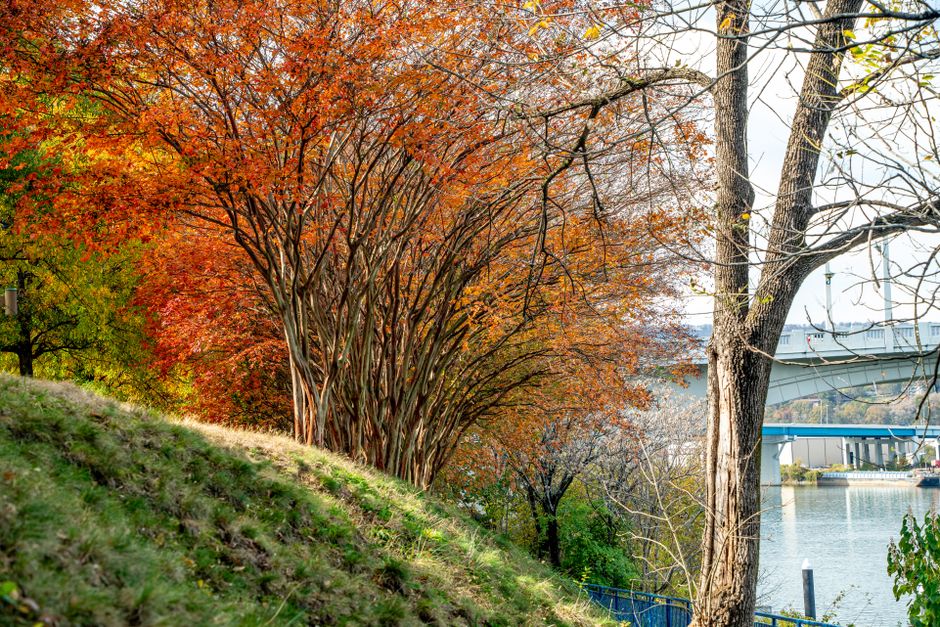
I hiked up through Ochs Garden (nobody calls it that except the locals who maintain it) on a misty Saturday morning. The path winds through old stone walls, native plants, and genuine quiet. The house looms up eventually, Victorian and a little worn, but the point isn't the architecture—it's that you're on a mountainside above the entire city, surrounded by rhododendrons and the sound of water runoff, and you're the only person visible.
Park near the bottom of Brow Road on Lookout Mountain. Wear decent shoes. Go in spring if you can. The overlook at the top clears the brain better than any of the official viewpoints because you earned it without paying admission.
The Hunter Museum's Sculpture Garden (The Actual Hidden Part)
The Hunter Museum itself gets visitors—it's the contemporary art museum on the Riverfront with actual prestige and an interesting collection. What almost nobody explores is the sculpture garden on the north side of the building, which sits on a bluff overlooking the river with maybe a quarter of the foot traffic the main galleries get.
I spent a solid hour there on a Wednesday afternoon. There were perhaps three other people on the grounds. A few pieces of serious sculpture, strategically placed to frame views of the water and bridges, and the kind of air of a place that's maintained but not crowded. The museum staff barely seemed to notice me leave through the garden exit.
You don't have to pay museum admission to walk the sculpture garden, though technically it's museum property. Most people don't realize it exists as a separate experience. Go mid-afternoon on a weekday. Bring a book if you want to sit. This is where you understand that Chattanooga has actual taste, even if tourists don't always encounter it.
North Shore's Non-Tourist Businesses
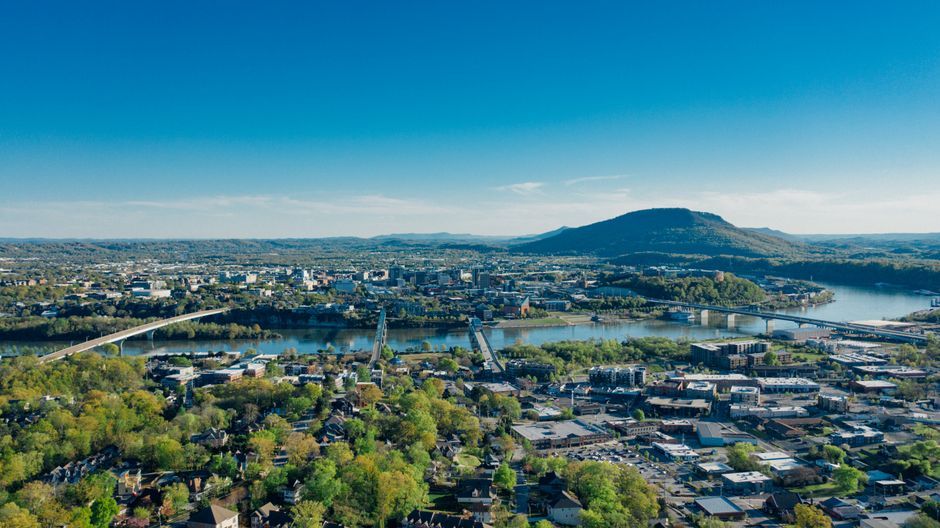
North Shore is the walkable neighborhood on the north side of the river—everyone knows about it now, but they know about it wrong. They hit the restaurants that made it in magazines, the ones with lines and noise and prices that have climbed since they got famous.
Walk two blocks off Main Street into the side streets and you find the actual neighborhood: a vintage bookstore that's been in the same location for fifteen years, a pottery studio where you can actually watch people working, a small coffee place that serves the people who live there rather than the people who came to see North Shore. I sat in one of these places on a Friday morning—I won't name it because the point is that you discover it yourself—and the barista actually cared whether my coffee was good.
The thing about North Shore is that it was a revitalized neighborhood before it became a destination. The bones of that authenticity are still there if you wander past the new retail. The locals have learned to coexist with tourists by mostly ignoring them and staying in business in the places tourists haven't heard of yet.
Stringer's Ridge Park and Its Quiet Trail System
Lookout Mountain and Signal Mountain get the famous overlooks. Stringer's Ridge, on the north side of the city, doesn't get anyone. I drove up there on a random Tuesday because a local coffee shop worker mentioned it offhand, not as a recommendation, just as something that existed.
It's a public park with a legitimate trail system—multiple routes, reasonable elevation gain, actual views at the top that aren't as famous as Lover's Leap but are just as honest. I saw exactly two other people the entire time I was there, both of them locals with dogs. The trail itself is well-maintained, the views are genuine, and the whole experience has the feeling of something that's public property but known only by the people who live nearby.
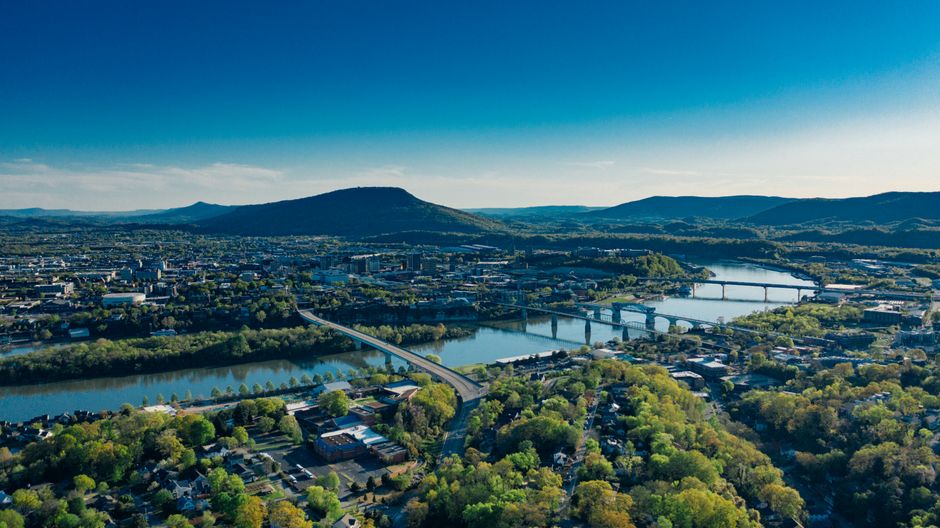
Park at the bottom off Cummings Highway. The main trail to the overlook is maybe two miles roundtrip, moderate difficulty. The city spreads out below you, the mountains roll back into the distance, and you're not jockeying for position with anyone. There's a legitimacy to being tired from a hike that you found yourself rather than being told about.
The Textile Center and the Industrial Side of the Story
Chattanooga's entire identity shifted around textiles in the early 1900s. That history got partially demolished, partially gentrified, partially forgotten. The Textile Center—a small museum in the old industrial district—sits in a building that used to be a dye works.
I spent an afternoon there on a slow Wednesday and walked away with a completely different understanding of why this city exists where it does and how it survived. The collection is modest but specific: machinery, documents, photographs from workers, the actual material history of the place. The staff will talk to you at length if you seem interested. No crowds. No gift shop crowded with overpriced merchandise.
The surrounding neighborhood has been partially gentrified—new apartments, new restaurants moving in—but this museum sits in the middle of that transition, telling the story of what was actually here before the city became a tourist destination. That's the education most visitors miss entirely.
Chickamauga Battlefield on Your Own Terms
The battlefield gets visitors—it's official, it has a visitor center, it's on the itinerary. What most visitors do is spend an hour in the center and drive the loop road looking at markers from their car.
I spent two days there, walking different sections, sitting on the hillsides where the actual fighting happened, trying to understand the geography of the place rather than just collecting facts. You can do this too. Park at the visitor center if you want context, but then ditch the car and walk. The landscape tells its own story once you spend time in it.
Most people move through history quickly. If you stay in one place long enough, history starts to make physical sense. That's what the battlefield teaches you when you're not rushing.
The Honest Version
Chattanooga is a genuinely interesting city underneath the tourism layer. The best parts aren't being hidden—they're just being overlooked by people moving through on schedule. The aquarium is fine if you like aquariums. The famous overlooks are worth seeing.
But the real Chattanooga exists in the neighborhoods that still have residents, on the trails that don't get mentioned in guides, in the small museums where being a visitor is actually interesting rather than transactional. You find it by wandering, by getting a little lost, by asking locals what they actually do on a random Tuesday afternoon instead of asking where tourists should go.


