
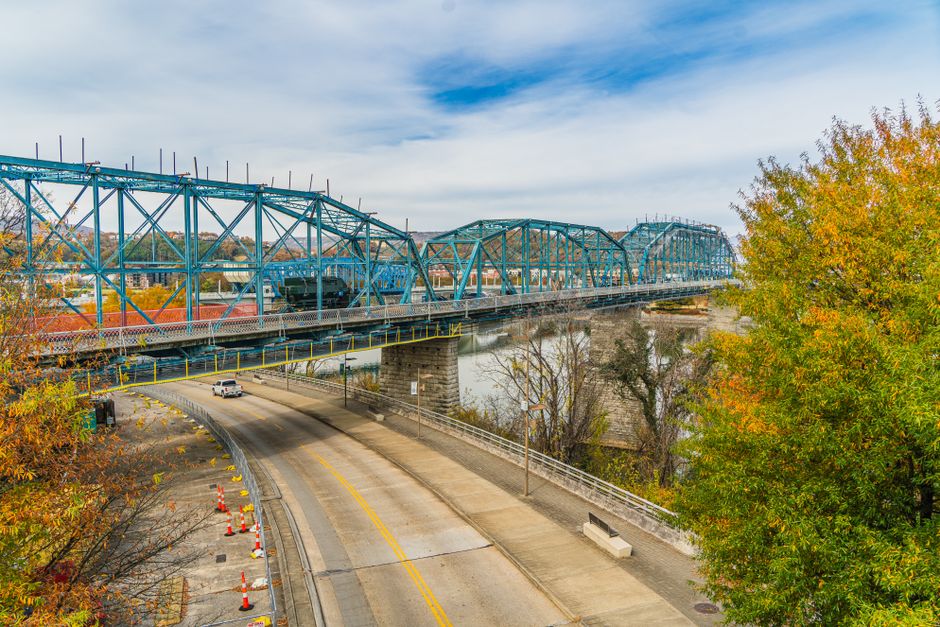
I rolled into Chattanooga on a Thursday evening after driving from Nashville, and the first thing that struck me was how much the riverfront had changed since I'd last been through. The city's got real momentum now—not the kind that comes from one big corporation, but from actual people choosing to live here and build something. After a few days of hopping between neighborhoods and grabbing coffee from places that didn't exist five years ago, I started seeing the pattern: Chattanooga works best if you know which blocks to land on.
Booking an Airbnb here isn't like picking a random spot in a sprawling city. Neighborhoods matter. The difference between staying in a charming walkable pocket versus a forgettable strip is the difference between a trip you remember and one you tolerate. I've put together what I found on the ground—places where you can actually walk to dinner, sleep reasonably soundly, and feel like you're somewhere, not just anywhere.
Northshore and the Waterfront: The Tourist Sweet Spot
Northshore is where most of the visitor infrastructure clusters, and for good reason. You've got the Tennessee Aquarium, easy riverfront walks, galleries, and enough restaurants and bars that you won't have to get creative about where to eat. It's the most obviously polished neighborhood Chattanooga offers. The pedestrian bridge over to the South Shore is genuinely nice—wide, well-lit, and actually used by people heading places rather than just existing as photo ops.
The tradeoff is noise and crowds. On weekends, Northshore gets touristy. Bars fill up, the streets get busy, and you lose that sense of stumbling onto something real. Nighttime safety here is fine—it's well-lit and populated—but you're paying for convenience. Expect $110–$180 per night for a decent one-bedroom Airbnb, maybe more during festival season. If your plan involves the Aquarium and you want to walk to restaurants without renting a car, Northshore saves you time and energy.

Southside: Quieter, More Residential, Still Walking Distance
Cross the pedestrian bridge and you're in a different town. Southside is where locals actually live. There are fewer chain restaurants, fewer bars cranking loud music at midnight, and more people who seem to have roots in the neighborhood rather than just passing through for a long weekend.
The commercial strip along Market Street has grown into something worth exploring. Not every place is Instagram-bait—that's the point. There's a bookstore, a couple of solid coffee shops, restaurants that don't feel designed for visitors. You can walk to most of it, though the neighborhood spreads out more than Northshore, so some parts require a bit more legwork. Safety at night is generally good, particularly on the main avenues, though like anywhere you should maintain basic street sense. The vibe skews quieter, which makes it ideal if you're not trying to bar-hop every evening or you're here to work. Nightly rates run $90–$140 for a clean, modest place—about 20 percent less than Northshore, and you get fewer neighbors playing music at 2 a.m.
St. Elmo: The Old Neighborhood Going Places
St. Elmo is the neighborhood where Chattanooga's genuine character lives, and it's slowly becoming aware of itself. The blocks around the incline rail historic site and into the surrounding area have this lived-in authenticity—locally-owned businesses, actual community fixtures, not placeholder restaurants. It's further from the main river action, which means fewer tourists wandering around looking lost.
Walkability varies depending on which blocks you land. The heart of St. Elmo works fine on foot, but you're not quite as walkable as Northshore or downtown Southside. Nightlife is quieter, which is either a feature or a drawback depending on what you want. Safety is fine, though the neighborhood has some rougher blocks if you wander too far without paying attention—nothing unusual for a city, but worth a basic awareness. The real appeal is authenticity and price. Airbnbs here typically run $80–$130 per night, and you're more likely to feel like you're actually somewhere rather than in a visitor box. If you're interested in local food and are willing to walk or take a quick Uber to some places, this is worth considering.
Downtown Core: For Minimalists and Workers
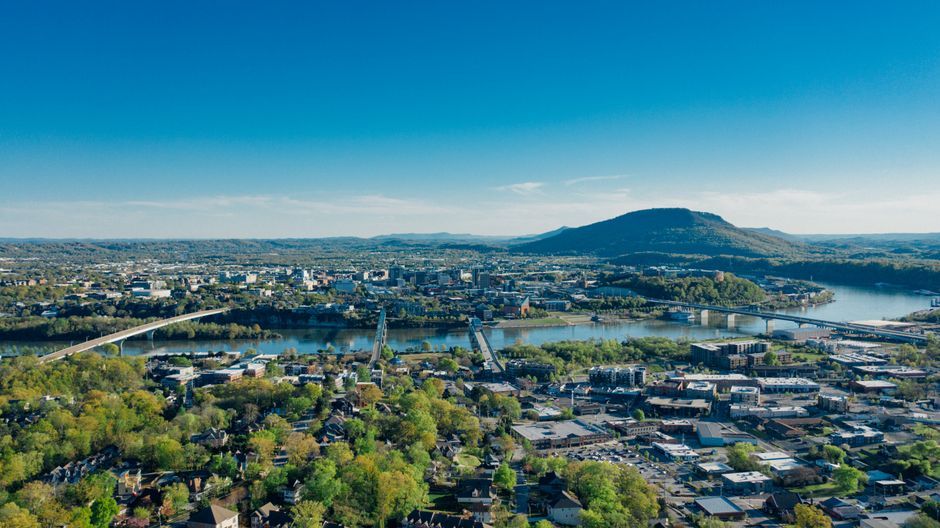
Downtown Chattanooga is compact and genuinely walkable. Broad Street and the blocks immediately around it have been revitalized with lofts, some good restaurants, and a few bars that aren't trying too hard. You can walk almost everything you need. The riverfront is steps away. It's urban and efficient.
The catch: it can feel empty outside of evenings and weekends. Daytime foot traffic comes from office workers, and when they leave, some blocks feel abandoned. Nighttime safety is okay on the main streets and near restaurants and bars, but I'd avoid long solo walks through darker blocks late at night—not because of any specific incident, but because there aren't enough people around to create natural eyes on the street. This is where you want an Airbnb on a main thoroughfare, not tucked deep into a quiet side street. Prices range from $95–$150 per night. The neighborhood works best if you're staying for work or want to be in the thick of things without the tourist drag of Northshore.
Hixson Pike and East Brainerd: If You Have a Car
I'm mentioning these because I keep hearing them recommended in Airbnb listings and host advice, but I need to be honest: they're suburbs. Hixson Pike heads north out of the downtown core, and it's mostly chains, strip malls, and car-dependent living. East Brainerd is similar—convenient if you're renting a vehicle and want easy highway access or proximity to outlet shopping, but you're not walking anywhere for dinner.
Nightly rates are cheaper, $75–$110, and parking's never an issue. Safety is fine in the residential sense—low crime, quiet. But if your Chattanooga trip involves actually experiencing the city rather than sleeping in a quiet suburb, skip these. They're appropriate if you're staying a week for work and just need a place to rest, or if you're really trying to minimize lodging costs. Otherwise, spend the extra $20 a night and stay somewhere you can actually leave the Airbnb and find something to do.
Nightlife, Quiet, and What Chattanooga Actually Is
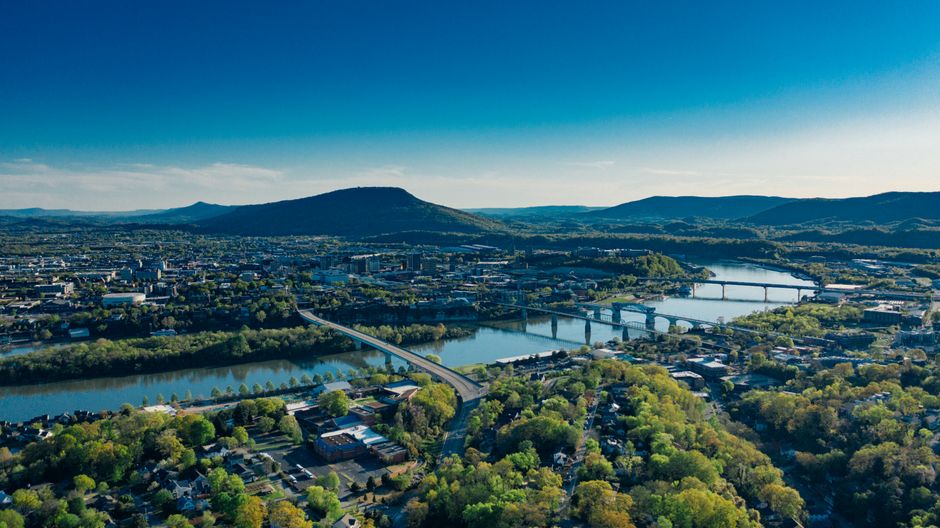
Chattanooga isn't Nashville. It doesn't have a defined nightlife district the way Music City does, and that's by design. The bar scene is real but low-key. You'll find good spots on Broad Street downtown, some music venues with actual history, neighborhood bars where people know each other. But if you're here expecting live music on every corner or clubs packed shoulder-to-shoulder, adjust your expectations.
For a quiet, focused trip—hiking, museums, working remote—Southside or St. Elmo wins. For balancing activity and walkability, Northshore and downtown work. The neighborhood you pick should match what you actually plan to do, not some imaginary idea of a Tennessee city.
Booking Strategy and Final Take
Before you book, check the Airbnb map view and actually look at what's around the listing. Read reviews from recent guests about noise levels, not just cleanliness. A spotless loft on a loud downtown corner is worse than a modest place on a quiet residential block. Chattanooga's small enough that being "not quite downtown" isn't a problem—you're still close to everything that matters.
I've seen visitors regret booking in generic suburban areas or accepting listings that looked fine until they realized the neighborhood was dead after 7 p.m. Take 10 minutes, Google Street View the block, read the small print in reviews. The difference between a forgettable Airbnb stay and a good one is almost always neighborhood selection, not the apartment itself. In Chattanooga, you've got real options that aren't expensive. Use that.


