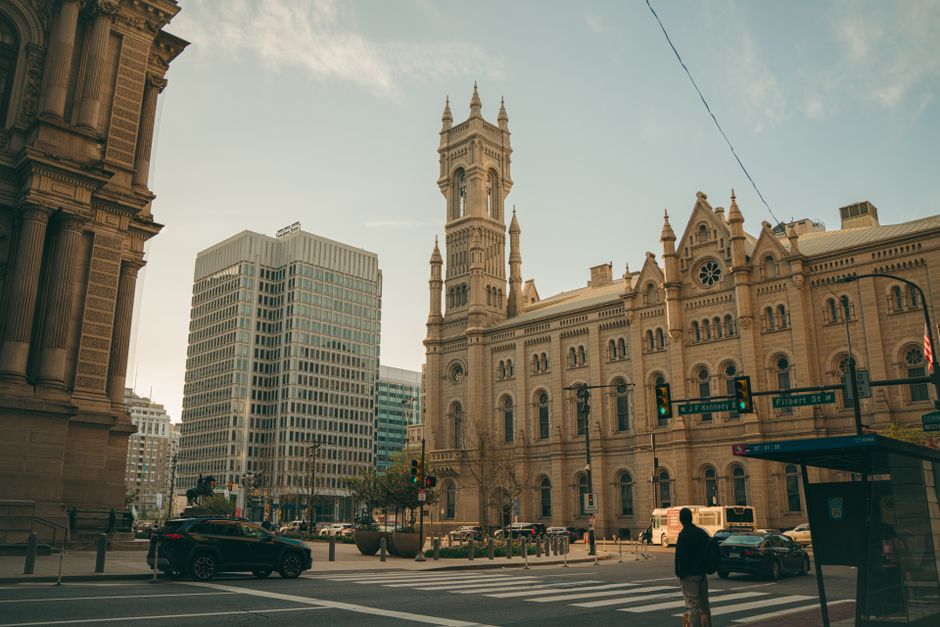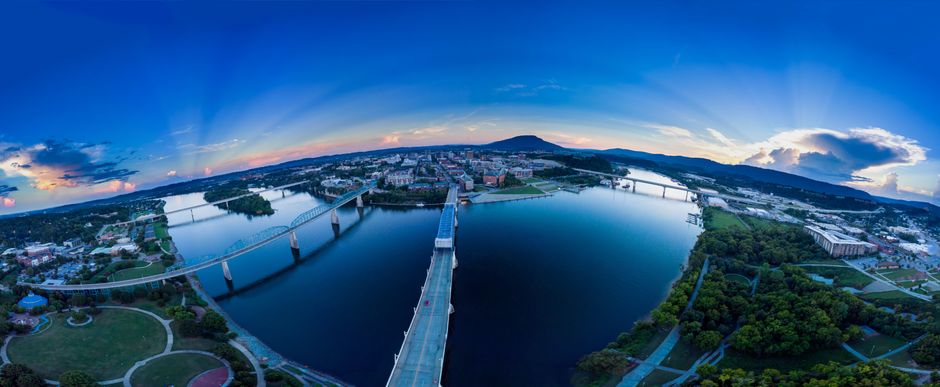
I rolled into Chattanooga on a Tuesday afternoon expecting the usual riverfront postcard stuff—the Aquarium, Lookout Mountain, maybe some Incline Railway tourists. Instead, I took a wrong turn looking for coffee and found myself in North Shore, then St. Elmo, then some neighborhoods I still can't quite locate on a map. That's when I realized the real city wasn't where the tour buses went.
Chattanooga gets packaged as a neat, outdoor-recreation brand, and sure, that stuff exists. But there's a working city underneath it all, with parks nobody mentions in guidebooks, viewpoints that put the famous ones to shame, and a few small museums that actually reward your time. I spent a week here. Here's what stuck.
Reflection Riding and the Quietest Viewpoint in Town
Most people know about Point Park on Lookout Mountain—the one where you can see seven states, or so they claim. I went there once out of obligation. Packed. Souvenir stands. Lines for the Incline Railway. Then someone pointed me toward Reflection Riding, a 1,100-acre preserve on the northern side of Lookout Mountain.
It's a different world. There's a mile-long road you can drive or walk that winds through old-growth forest, past meadows, beside streams. At certain points, you get legitimate views of the valley below—quieter views, without the production. They have a small natural history museum at the entrance too, the kind that feels genuinely forgotten, with taxidermied animals and local geology displays that a curator clearly cares about. No crowds. Parking is easy. Most tourists have never heard of it because it's not on the main tourist drag.
The place feels like something you're not supposed to find. That's probably because you're not.
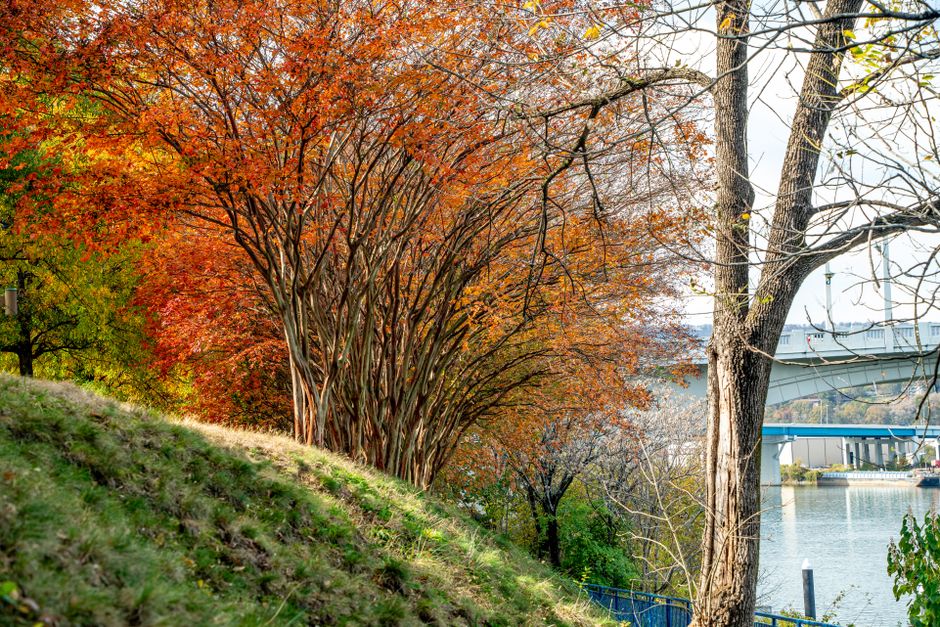
Hunter Museum's North Shore Building
The Hunter Museum of American Art has two buildings. Everyone goes to the main one downtown, the restored mansion with river views. I went there too—it's solid. But the real move is the North Shore location, a smaller contemporary space across the water that gets maybe a tenth of the foot traffic.
They rotate exhibits, so I can't tell you exactly what's on now, but when I visited, they had a collection of contemporary work that didn't feel like it was trying too hard. The space itself is comfortable in a way crowded museums never are. You can actually sit with a piece for ten minutes without someone breathing down your neck. Admission is reasonable, and the staff isn't performing hospitality theater—they're just there, genuinely interested if you want to talk.
It's the kind of museum where you can spend an hour and actually remember what you saw.
Booker T. Washington State Park and Its Forgotten Appeal
Southwest of downtown, near the Georgia border, sits Booker T. Washington State Park. Not to be confused with anything famous. Just a 360-acre park with trails, a lake, and basically nobody using it on the day I went.
The walking paths loop through surprisingly thick woods for something this close to the city. There's a lake for fishing or just staring at. The trails aren't long enough to be serious backpacking territory, so you get a lot of locals doing a quick midday walk, families, the occasional runner. No Instagram infrastructure. No facilities designed for crowds. Just a park doing the one thing parks should do—let you walk in the woods without thinking about where you are.
The views aren't dramatic. The facilities aren't new. That's exactly why it works. Go in the morning or late afternoon when the light softens and the other people thin out.
The Walnut Street Bridge and a Different Kind of Tourist Experience
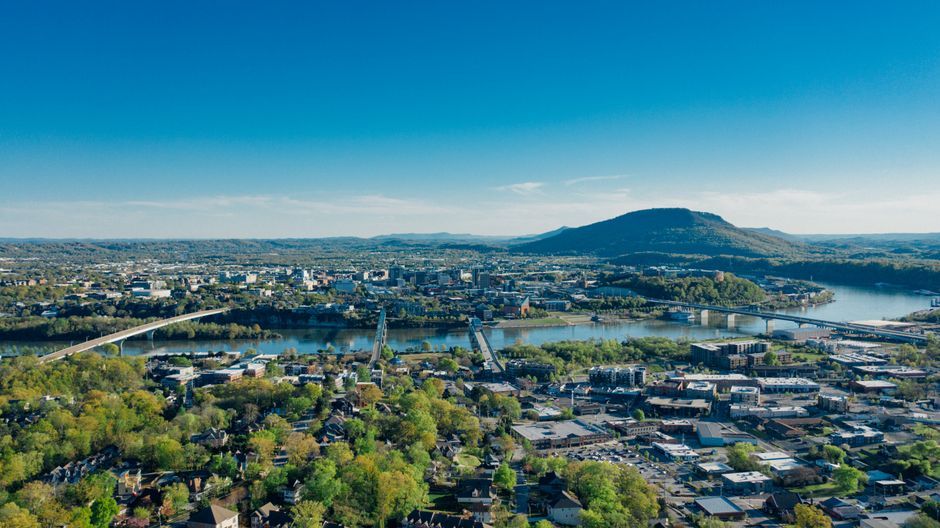
I know the Walnut Street Bridge gets mentioned sometimes, but not in the same breath as the Aquarium or the Incline. Which is strange, because it's actually a remarkable structure—the world's longest pedestrian bridge, they claim, at over two thousand feet spanning the Tennessee River.
Walk it at dusk. The light hits the water differently than from the busy overlooks. You're suspended between the industrial and the natural, looking at power plants and the river in the same view. It's not pretty in a commercial sense, but it's honest. There are plaques about the bridge's history, local artists' work sometimes displayed on the railings. Bikers and joggers use it, people on their way somewhere, not tourists performing tourism.
I watched a couple have what looked like a real conversation on a bench halfway across. That's when I realized I hadn't seen many genuine moments of people just being in the paid tourist areas.
Chattanooga Whiskey and the Strangely Compelling Backstory
Look, I'm not a whiskey person. But the distillery here has an actual story, and the tour guides don't sound like they're reading from cards.
They're based on Chattanooga's history of whiskey production in the 1800s—which was substantial before Prohibition murdered it. They've rebuilt using old recipes and local grains. The tour is short, doesn't overstay its welcome, and the tasting room has the feel of a working production space, not a hospitality theater. The people who work there seem to have bought into what they're doing.
The gift shop isn't aggressive. The prices are fair. They give you actual information about the process instead of craft-culture mythology. Even if you don't drink, it's worth an hour of your time just to see how a local business is actually trying to resurrect something that mattered to the city.
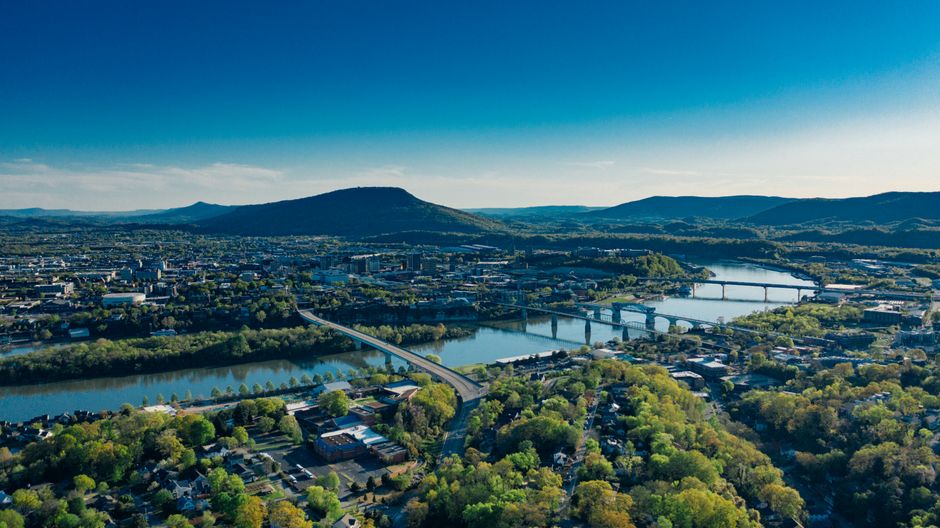
St. Elmo and Just Walking Around
South of the river, St. Elmo is a neighborhood that's been revitalized without becoming entirely precious. There are vintage shops, a few restaurants that aren't chains, some coffee places. The usual gentrification story, but less polished than most.
I spent an afternoon just walking the blocks—10th, 11th, Main Street. The architecture is older, real buildings that had second lives. Local tattoo shops. A decent used bookstore. The kind of retail that suggests actual people live here and need things, not just tourists who want experiences.
There's a neighborhood feel that downtown lost. People sitting on stoops. Someone's grandmother's house with a for-sale sign that's been up for three months, not an Airbnb conversion waiting to happen. Not romantic, just a neighborhood. Stop at one of the coffee places and ask someone where they actually like to eat. Chances are they'll point you somewhere worth going.
Honest Thoughts Before You Go
Chattanooga's worth more than a weekend pass through its established attractions. That's not contrarian travel writing—it's just true. The city has weight to it, actual history, neighborhoods where people live regular lives. You see it if you wander past the main commercial zones.
Go early in the morning. Talk to people actually waiting for buses, not tour guides. Eat at places you find by accident. That's when you'll get something out of the trip beyond vacation photos. The quiet spots aren't secret because they're hidden—they're quiet because people aren't looking for them. But if you're the type who actually wants to see a place instead of just collect it, they're waiting.