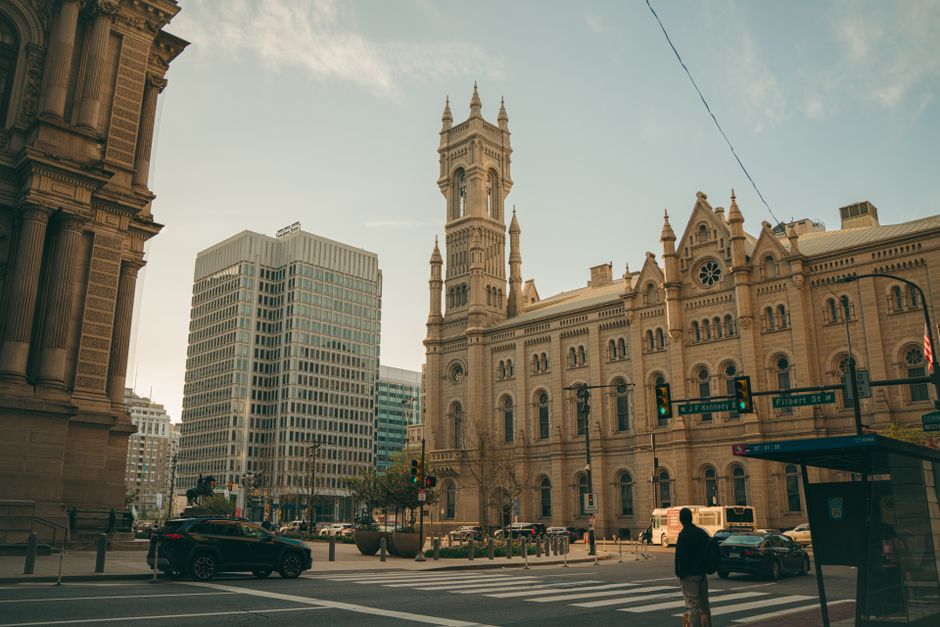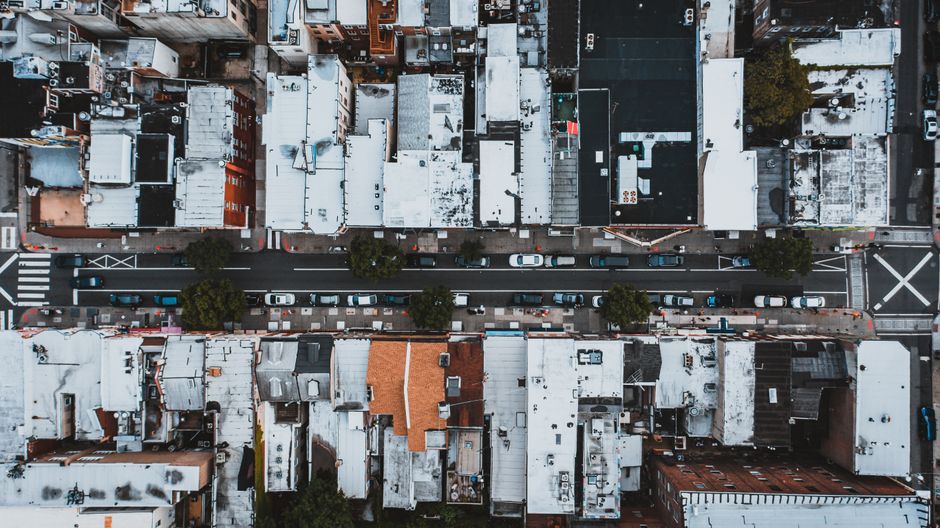
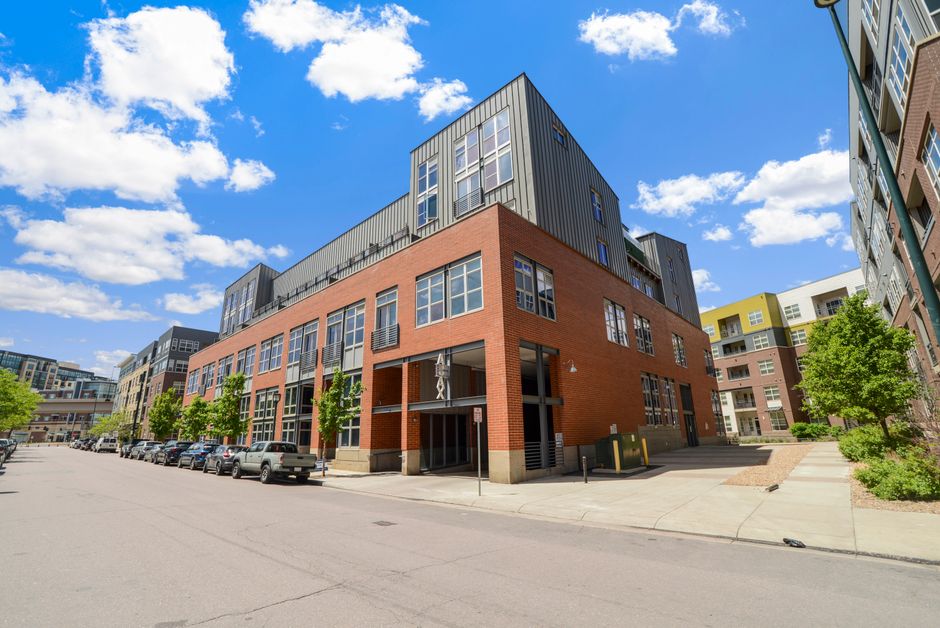
I landed in Denver on a Thursday with no hotel booked, just a rough sense that I wanted to stay somewhere I could actually walk to coffee and dinner. That probably sounds obvious, but if you've done the Airbnb shuffle in sprawling cities, you know how easy it is to end up in a residential pocket where your only move is calling an Uber to go three blocks. Denver's got enough real neighborhoods with actual street life that you don't have to settle for that.
The city's changed a lot in the past five years—prices have climbed, blocks that were sleepy are now packed with patios, and the crowd has shifted younger and more transient. If you're booking a short-term rental, location matters more than usual because you're not there long enough to dig yourself in; you want the neighborhood to do some of the heavy lifting. I spent time in five different parts of the city asking locals, walking around at different hours, and checking what people were actually paying for space. Here's what I found.
LoDo: The Obvious Play (Usually Worth It)
Lower Downtown isn't subtle. It's the neighborhood everyone thinks of when they picture Denver nightlife—brick buildings, rooftop bars, galleries, breweries stacked three deep on a single block. If you want to walk out your door and immediately have options, LoDo delivers. Safety-wise, it's actively policed and genuinely busy enough that you don't feel exposed, though like any downtown area, it gets rowdier on weekends and quieter after 11 p.m. if you're not standing outside a bar.
The walkability is excellent. You can hit lunch at a sandwich shop, a gallery in the afternoon, dinner without moving your car, and if the mood strikes at 9 p.m., walk to live music. Most Airbnbs in the heart of LoDo (Cherry Creek side of Blake Street is the prime zone) run $150 to $220 a night, depending on the space and season. That's not cheap, but you're getting genuine urban density and foot traffic. The downside: it can feel touristy, weekend nights get loud if you're a light sleeper, and you're paying for the convenience. If you want to experience Denver's main event without renting a car, though, LoDo is the most straightforward bet.
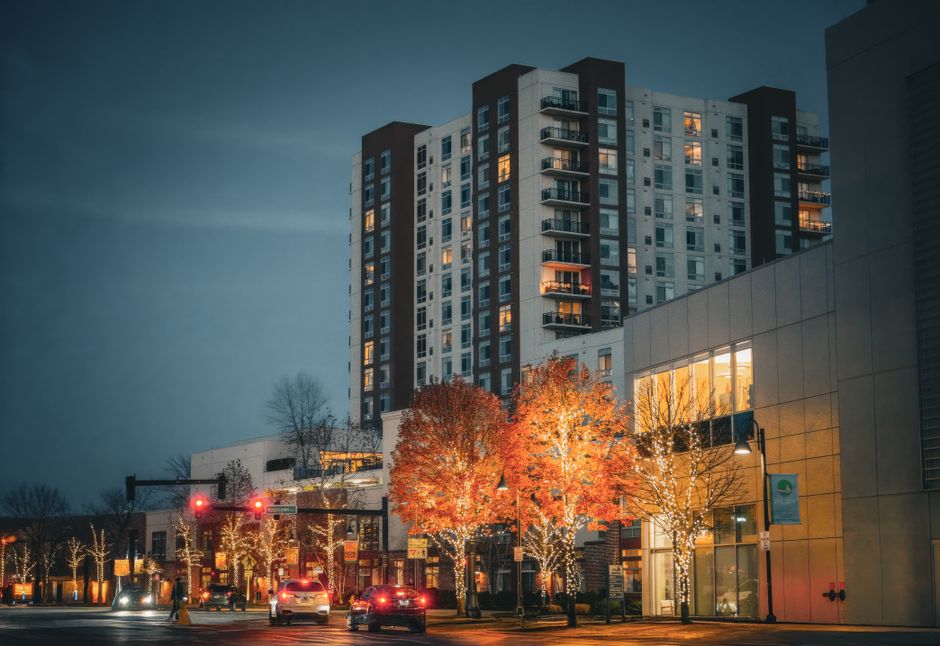
Highlands: Younger Vibe, Real Neighborhood
Highland has become the place where Denver people actually live and go out, which is a different energy than LoDo. It's less about coordinated groups hitting the same block and more about regulars who know the bartender at their spot. West 32nd and West Highland Drive are the beating hearts—you've got coffee shops that aren't playing the same playlist as everywhere else, restaurants where locals eat, and bars that aren't designed to be Instagram stages.
It feels safer than it did ten years ago, and the streetlights are decent. Walkability is solid but not perfect; you might walk ten minutes to dinner and that's fine, but if you want to cover three neighborhoods in one night on foot, this isn't it. The crowd is younger, creative types mixed with families, so the vibe skews less "bender" and more "we're going to get a good beer and actually talk." Nightly rates tend to sit between $110 and $170, which makes it cheaper than LoDo without feeling like you're far from everything. If you want to feel like you're living in Denver rather than visiting it, Highlands is worth serious consideration.
Capitol Hill: Eclectic and Dense, with Rough Edges
Capitol Hill is where things get real. This neighborhood is legitimately mixed—queer bars next to dive spots, independent shops, Victorian houses turned into apartments, some genuinely rough blocks alongside beautiful ones. It's the most authentically bohemian part of the city, and it still feels like a neighborhood with actual history rather than a real-estate play.
Walkability is very good. 13th Avenue is the main artery, but 14th and 17th have their own character. You can walk practically anywhere you'd want to go without feeling like you're being ridiculous. Safety at night is a mixed bag—better than people who've never been there assume, but there are pockets where you want your wits about you, particularly east of 13th after dark. The nightlife is genuinely diverse: you've got punk venues, drag shows, craft cocktail bars, and late-night diner culture. It's not the aggressively fun of LoDo; it's more interesting and less predictable. Airbnb prices run $95 to $155 typically, which is the best value in the city if you don't mind a neighborhood with some grit. The people here are opinionated about their space and protective of its character, which can mean you get better stories and stranger conversations than you'd have elsewhere.

Cherry Creek: Polished, Pricey, Quieter
If you want walkable shopping and dining without the late-night bar scene, Cherry Creek is built for you. It's upscale without being pretentious—high-end restaurants, designer shops, galleries, and a creek path that's genuinely nice for walking. The neighborhood is well-maintained, very safe, and feels a bit like a small downtown inside Denver.
The walkability is excellent, though what you're walking to is mostly retail and sit-down dining rather than random discoveries. The nightlife is present but subdued—you can get a cocktail and dinner, but you're not going to stumble into a five-band punk show or an underground electronic thing. Most people here are either affluent residents or visiting for a specific restaurant. That means it's quiet at night in a genuine way. Airbnb pricing reflects the demographic: expect $160 to $240 a night for something decent. You're paying for quiet, safety, easy shopping, and the feeling of being in the nicer part of town. If you want to be able to walk to good food and retail and sleep without street noise, this is it. If you want spontaneity and a sense of what actual Denver people are doing, look elsewhere.
Sunnyside: Underrated, Residential, Getting Better
I went to Sunnyside expecting a quiet suburb situation and found something more interesting. It's been gentrifying steadily, but not aggressively—there are still local bars, independent coffee shops, and restaurants that serve neighborhood people rather than Instagram tourists. It's on a hill north of downtown, which means walkability is real but not everything is flat. West 48th and Zuni Street are where the action is.
Safety is good, and the neighborhood feels residential and human-scaled in a way that downtown doesn't. Nightlife is quiet—you can get a beer and food, but you're not going to spend six hours bar-hopping. What you get instead is a sense of being in an actual Denver neighborhood where you might run into people who live here year-round. Airbnbs typically run $90 to $130, which makes it the most affordable option with real walkability. The tradeoff is that you're further from the main event; it's a 10-minute drive or 20-minute bus ride to downtown. If you want to feel like you're living in Denver, don't mind being slightly off the beaten path, and want to save money, Sunnyside is your play. It's getting more interesting every year without losing its neighborhood character, which is a harder balance than it sounds.
How to Actually Pick One
Here's the move: think about what you actually do on a night out. If you want maximum options and don't care about sleeping early, LoDo. If you want to feel like a local without going full gritty, Highlands. If you want authentic character and don't mind some rough edges, Capitol Hill. If you want polished and quiet, Cherry Creek. If you want to save money and live slightly outside the main scene, Sunnyside.
Check the specific block where the Airbnb sits—a lot of variation happens within neighborhoods. Walk Google Street View at night. Read recent reviews from actual guests, not the five-star generics. Call or message hosts to ask specific questions about noise, street parking, and what the immediate area is actually like. Denver's got more to offer than just the downtown strips, and picking the right neighborhood makes the difference between a good trip and one where you wish you'd stayed somewhere else.