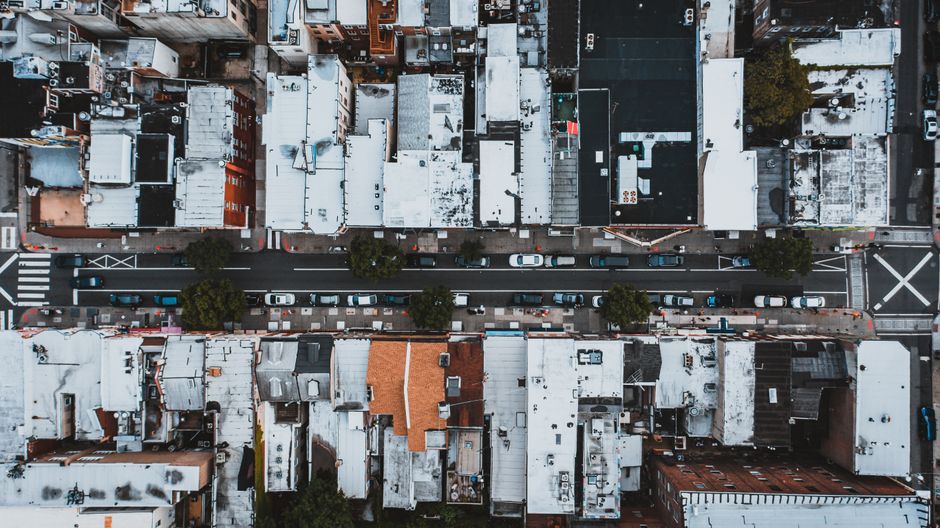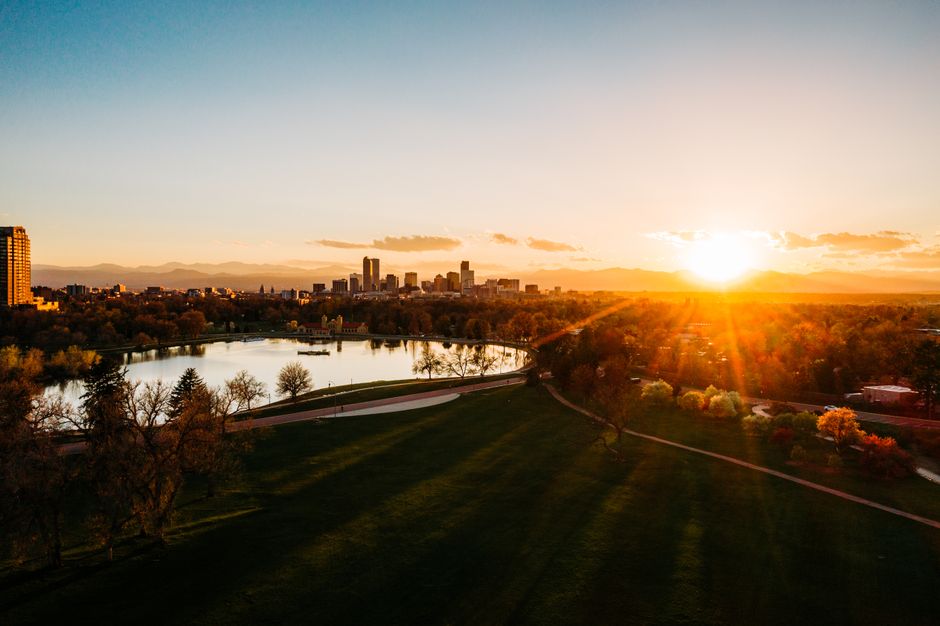
I landed in Denver on a gray March morning expecting the usual: 16th Street Mall crowds, maybe the Mint if I had time. Instead, I got lost—genuinely lost—walking south from downtown, and by noon I'd found a park I'd never heard mentioned, a view that made me understand why people actually move here, and a coffee shop where the barista knew every customer by name. That's the thing about Denver. The big attractions are easy enough to find, but the real texture of the city lives in the blocks and neighborhoods most tourists never wander into.
I spent a week here on my own, asking locals instead of reading reviews, and the picture got clearer. Denver's not hiding anything sinister; it's just big enough and sprawled enough that the worthwhile stuff doesn't concentrate in one shiny district. You have to actually move around.
Washington Park: It's Not What You Think
Everyone who's ever been to Denver knows Washington Park exists. What they don't do is spend actual time there, the way someone might spend an afternoon. I expected a manicured, orchestrated thing. Instead I found myself walking the same paths for two hours without seeing the same face twice, watching serious runners do repeats by the lake while old couples sat on benches doing absolutely nothing.
The park's 155 acres, and most visitors hit the south end near the shops and then leave. The real draw, especially if you're traveling solo and want to think without being crowded, is the quieter northeast section near the recreation center. The lake's bigger than you expect. The trees are genuinely old. On a weekday morning—and I mean early, before 9 a.m.—it feels like you've accidentally discovered a secret, except the secret is just that most people move through Denver too fast to stop.
If you go, bring coffee and plan to sit. That's the point.

The Highlands and South Pearl Street
South Pearl Street isn't actually hidden. Locals know it. But tourists stick to downtown and LoDo, and that's a real loss. This neighborhood, south of roughly Evans Avenue, has the kind of density and walk-ability that actually feels like a real place where people live and work and eat and argue about things. I spent an afternoon walking it, ducking into small vintage shops, eating lunch at places with maybe four tables, watching the rhythm of a neighborhood that isn't performing for visitors.
The Highlands, just north and west of downtown, is steeper and more residential, but the few blocks along 32nd Avenue and the surrounding streets have become genuinely interesting in the last few years. Local breweries, a bookstore or two, restaurants where you'll actually see families on a Saturday night. It's not a destination in the traditional sense—you go there to live like you live, not to tourist. That's exactly why it's worth an hour or two if you're in the city for more than a day.
Cheesman Park's Overlooked High Ground
Cheesman is less trafficked than Washington Park, and if you hike up the slight rise on the north side and walk east, away from the central loop most people do, you get a genuine sense of elevation and distance. Denver's at 5,280 feet, and you feel it differently depending where you stand. Up on Cheesman's north edge, looking south toward the city, the scale becomes clear in a way it doesn't on the flat parts of downtown.
I went there on a windy afternoon in early spring and spent maybe 45 minutes watching the light change and the trees move. There's a real feel of escaping the city without actually leaving it. The surrounding neighborhoods—Capitol Hill to the north, Cheesman Park itself to the south—are also worth wandering. Tree-lined streets, a lot of visible history, less Instagram density than some other areas.
The Denver Art Museum's Quieter Hours
I'm not going to pretend the Denver Art Museum is unknown—it's not. But here's what most people don't do: they don't go at 4 p.m. on a Tuesday. The place opens at 10, and it's reasonable until about 3, and then something shifts. Families with small children are gone. School groups are done. You get rooms with basically you and the paintings.
The American West collection is strong without being precious about it, which I appreciated. There's also a Native Arts section that actually does the work of presenting context, not just objects in cases. I spent two hours there on a quiet afternoon and felt like I'd actually learned something about the place I was visiting, which is all you can ask from a museum.
Bear Creek Path and Lakewood
Bear Creek runs through Denver, and there's a path along most of it that almost nobody who's not a local runner or cyclist knows about. I picked it up near downtown and walked west for about two hours, which took me gradually out of the city and into the areas where Denver transitions into suburbs and then open space. It's not a wilderness experience. There's commercial real estate and residential density. But there's also water, trees, and a genuine sense of moving through the city's infrastructure in a way that doesn't feel curated for visitors.
If you're interested in how a city actually functions—where the water goes, what the back sides of neighborhoods look like, how green space gets distributed—this path tells you more than a guidebook ever will. The Lakewood area, out at the western end, has some neighborhood parks and less attention than the downtown parks. It's the kind of place where you realize Denver extends further than most visitors ever actually travel.
The Platte River Greenway and RiNo
The Platte River Greenway is something locals use constantly for cycling, running, and just moving through the city. The River North (RiNo) neighborhood, along the northern stretch, has become a real place in the last decade—breweries, restaurants, galleries in old industrial spaces. It's not undiscovered; it's just not on the typical tourist path.
I walked the greenway north from downtown for an hour one morning and ended up in a neighborhood that felt legitimately alive and unmanicured. There's a real arts scene there, and the businesses seem like they're there because someone actually wants to be, not because a developer hired a consultant. If you have a bike, you could spend half a day on this path. On foot, even an hour gives you a different view of how Denver thinks about itself.
Loose Ends and Honest Takeaways
Denver's not hiding. It's just that tourists tend to cluster in certain blocks, and the rest of the city goes about its business. The viewpoints and parks and neighborhoods I spent time in aren't secret. They're just where local people spend their time, and there's something genuinely useful about that.
If you're in Denver for a few days, spend an hour or two not following the guidebook. Get lost in a neighborhood, sit in a park without a plan, walk a path that doesn't have an endpoint you've already decided on. You'll see a different city than the one marketed to visitors. It's messier and less photogenic and much more interesting.