
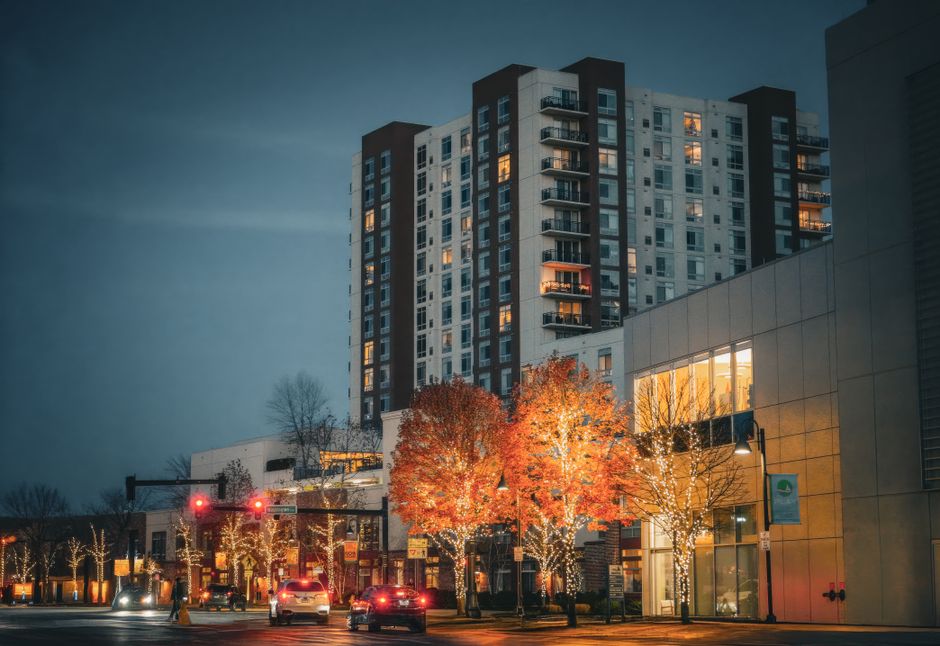
I landed in Louisville on a Thursday and made the mistake most travelers make: booking a chain hotel near the airport. By day two, I'd moved to an Airbnb in the Bardstown Road area, and the city finally made sense. Louisville isn't a downtown-and-done kind of place. It spreads. Its neighborhoods each have their own weather, their own rhythm. I've since stayed in five different pockets of the city, and I've learned that where you plant yourself matters as much as what you came to see.
The short-term rental market here is solid without being oversaturated. You'll find decent options at reasonable prices—nothing like Brooklyn money—and landlords tend toward the hands-off type. The neighborhoods I'm covering all have something to recommend them, depending on whether you want to walk to dinner at 11 p.m. or prefer to hear birds in the morning. Most are safe in the way that any American city is safe: use your head, stick to lit streets after dark, and you'll be fine.
The Highlands (Bardstown Road area)
This is where I'd send someone who wants actual Louisville without the stiffness of downtown. Bardstown Road runs north-south through the neighborhood like a spine, and nearly everything worth visiting clusters along it or a few blocks over. It's genuinely walkable—I mean you can get breakfast, browse a used bookstore, catch a film, and eat dinner without getting in a car. The streetscape isn't uniform; you'll pass a tattoo parlor next to an old movie theater next to a coffee shop that's been there since 1987. It feels lived in.
Nightlife here is real but not aggressive. There are bars—Garage Bar, The Cellar, Tyler Whiskey—where you can sit at a counter and actually talk to someone. There's also a Whole Foods and vintage furniture spots if sitting at home with good groceries appeals to you more. The neighborhood doesn't have a party-until-dawn reputation, which seems to suit most people who land here. Safety is fine. I've walked back to Airbnbs at midnight without incident, and the street lighting is decent. You'll want to avoid the southern fringe past Oak Street as things get hazier there, but the core blocks around Bardstown and Baxter are solid.
Nightly rates for a one-bedroom typically range from $90 to $160 depending on season and how recently the unit's been updated. Summer and Derby season (May) spike things. It's the most popular neighborhood for short-term rentals, so availability varies—book ahead if you're coming during peak times.

Nulu (East Market District)
Nulu is the younger cousin—newer money, newer energy, more Instagram-friendly. It's the stretch of East Market Street and the surrounding blocks that's undergone renovation in the past decade. Galleries, craft cocktail bars, restaurants that charge real prices for real food. Garage doors open to wine bars. Artist studios sit next to coffee shops with custom latte art.
It's less walkable than the Highlands in terms of spread—things are clustered tighter—but the blocks you'll actually use are very pedestrian. Main Street connects it to downtown if you want to drift that way. The vibe skews younger and more intentional; people are here because they chose to be, not because they lived here already. That can feel energizing or exhausting depending on your mood. Nightlife runs later than the Highlands, though it's still not a 4 a.m. neighborhood.
After dark, the core area is fine. The streets are lit, there's foot traffic until late, and police presence is noticeable. Once you venture past the main cluster onto side streets, the feeling shifts—typical for an urban neighborhood in transition. Most visitors stick to the obvious blocks and do just fine. Nightly rates are creeping upward here, trending $120 to $180, and good units go fast. It's the neighborhood I'd pick if I were staying three months and wanted to feel like part of something contemporary.
Old Louisville
Old Louisville is the neighborhood of Victorian mansions, tree-lined blocks, and serious history. It's home to the University of Louisville, so there's a collegiate undercurrent. The architecture is genuinely beautiful—these aren't restored facades, they're actual period homes, many converted to multi-unit rentals and short-term stays. Fourth Street runs through it and offers the same restaurant-and-bar density as the Highlands, but with less personality and more uniformity.
Walkability is excellent if you're staying near Fourth or in the central core. The farther out you go into the residential blocks, the quieter it gets—which is either a feature or a problem depending on what you want. It's not a place to bar-hop; it's a place to know a few good spots and rotate between them. Nightlife exists but feels secondary to the neighborhood's role as a historical district and student quarter.
Safety is a mixed picture. The blocks closest to Fourth Street and the university are well-maintained and busy enough that you'll see people. But Old Louisville has broader pockets that feel abandoned after dark—blocks that look beautiful in daylight but empty at 10 p.m. I'd recommend staying in the heart of the neighborhood, not the fringes, and choosing an Airbnb with good street-level access and lighting. Prices are attractive, ranging from $75 to $140 nightly, which is lower than the Highlands and Nulu. It's a good value if you're willing to be a bit strategic about which blocks you book on.

Butchertown (East Market area)
Butchertown is the neighborhood I least expected to like and ended up recommending to friends. It's older, grittier, and less polished than its neighbors. A former industrial and meat-packing area, it's been gentrifying slowly without the performative energy of Nulu a few blocks over. Butcher & Bee, an excellent restaurant, sits here alongside actual neighborhood bars where regulars have tabs. You'll see murals, but they don't feel mandatory.
Walkability is decent near Main Street and Market Street but drops off quickly in residential zones. This isn't a neighborhood where you walk to breakfast; you drive or bike. That makes it less ideal if you're carless. The appeal here is quietness and authenticity without the self-consciousness of the trendier areas. If you want to disappear into a neighborhood and just live for a few days rather than check boxes, this works.
Safety deserves a real conversation. Butchertown has better-lit, maintained blocks and blocks that don't. The section near Main Street and the restaurant corridor is genuinely fine for late-night walks. Venture into the deeper residential areas and the feeling changes. It's not dangerous in a dramatic sense, but it reads as rougher. I'd stay near the Main Street corridor or ask your rental host about their specific block. Prices are the best I've found, sitting $70 to $130 nightly. It's a neighborhood for travelers who want a genuine experience and aren't looking for reassurance at every step.
Downtown Louisville (Waterfront, Smoketown)
I almost didn't include downtown because it's not my preference for an Airbnb stay, but it's worth addressing. The waterfront has been revitalized with restaurants, bars, and a farmers market. The KFC World Headquarters is here if that matters to you (it doesn't matter to me, but the architecture is actually interesting). It's the most touristy part of Louisville, which means maximum foot traffic and maximum visibility after dark. You won't feel unsafe, but you might feel like you're in a theme-park version of a city.
Walkability is high within the downtown corridor, but "walking to something interesting" often means walking past chain restaurants and hotel lobbies. If you came to Louisville to go to specific attractions—the Muhammad Ali Center, a particular concert at the Palace Theater—downtown makes logistics easy. The vibe is professional and managed, which some people want and some people find sterile.
Nightly rates downtown run $100 to $180, middle of the road. Safety is about as good as it gets in an urban core. You're in the center of the police presence and commercial activity. The downside is that downtown quiets down after 9 p.m. in most sections, so nightlife requires you to know where to go or to stick to the lit-up restaurant blocks. If you're staying for one night and want to see a concert and sleep, downtown is efficient. If you want to know Louisville, look elsewhere.

Picking Your Block: Practical Notes
A few things I've learned booking short-term rentals in Louisville: check the exact street, not just the neighborhood name. I've seen listings labeled "Highlands" that are actually three blocks away from anything walkable. Ask your host about parking if you have a car; some neighborhoods have it easy, others don't. Spring and Derby week (the weekend after the first Saturday in May) are peak pricing season. Summer is warm and humid—not unbearable, but take it into account.
Walk the neighborhood, or at least drive through it, before you book if you can. Louisville doesn't have a unified vibe; the neighborhoods are distinct enough that picking wrong means missing the city. Most hosts are responsive and honest if you ask direct questions about walkability and night safety. Use that. The city's small enough that you're never more than a 15-minute drive from anywhere, so don't agonize too much—you can easily visit other neighborhoods during your stay.



