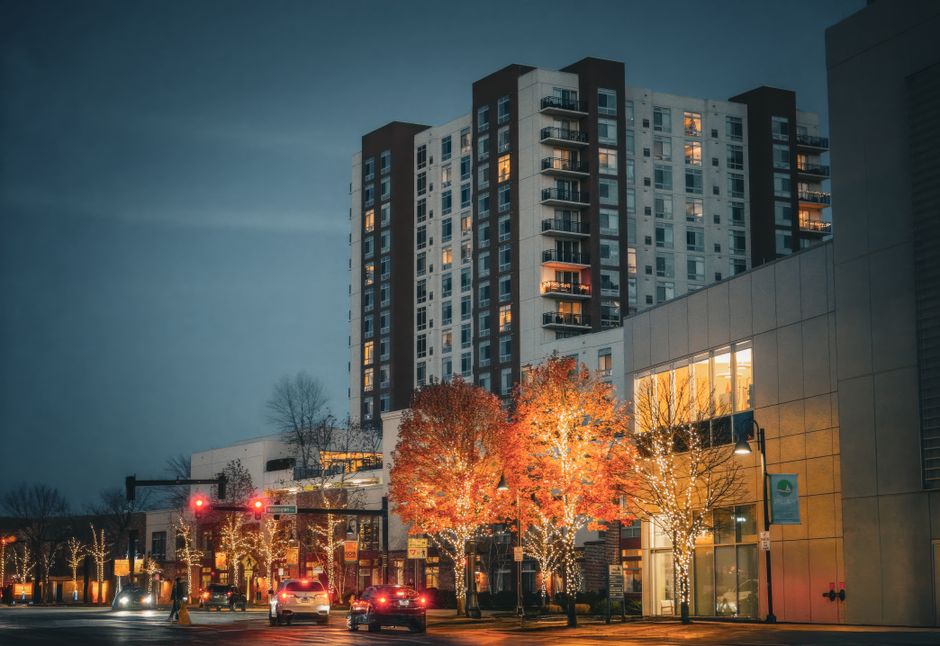
I rolled into Louisville on a Thursday in late fall, the kind of afternoon where the sun hits the brick buildings and you can smell someone's wood stove a few blocks over. I'd booked a place in the Bardstown Road area sight-unseen, which in hindsight was either brave or stupid—I haven't quite decided. What I found was a city that doesn't try too hard to impress you but absolutely will if you give it a chance. The neighborhoods here aren't manicured or carefully branded for Instagram. They're real blocks where actual people live, where you can walk to dinner, and where nobody's going to charge you $400 a night just because there's exposed brick.
Louisville's a city that rewards walking. That's not hyperbole; the whole point of staying in an Airbnb here instead of a hotel is that you can actually get a feel for how people live. The downtown core is compact enough to explore, but the neighborhoods where you'll actually want to spend time—where the restaurants are, where you can walk to a bar without crossing an interstate—those are clustered into a few distinct areas. I checked into four different neighborhoods over the course of several stays and came away with strong opinions about each. Let me break down what I found.
Bardstown Road: The Comfortable Middle Ground
If you want to be in the thick of things without feeling overwhelmed, Bardstown Road is the answer. This tree-lined corridor stretches from downtown south through several blocks of restaurants, vintage shops, and bars—enough to keep you busy but not so dense that you feel like you're standing in line everywhere. The neighborhood is walkable without being pristine. You've got The Highlands on one end (which is more polished, more established money) and Bardstown Road proper in the middle, which has a bit more character and fewer chain stores.
I stayed in a converted shotgun house with restored hardwoods and an owner who actually texted back. The street itself is quiet at 2 a.m. but busy enough at 8 p.m. that you don't feel like you've landed in the suburbs. Nightlife is real here—there are dive bars next to craft cocktail places next to Irish pubs. You can find dinner at 10 p.m. without issue. Prices run $90–$160 per night depending on whether you're booking a private room or a full apartment. The walkability is solid; I did most of my exploring on foot and only needed a car once, just to get out of the neighborhood. Safety at night is fine. You'll see other people out. It doesn't feel like the kind of place where you need to check over your shoulder.

Old Louisville: Grit and Actual History
Old Louisville is the neighborhood that feels like it has a story to tell—because it actually does. This is where the architecture is pre-1900, the streets are wider, and the Victorians are so ornate you find yourself stopping to look at them. It's south of downtown, just across the bridge from the waterfront, and it's the kind of place that's been gentrifying slowly for the past decade without turning into a theme park.
The neighborhood has edges. You'll walk blocks that feel completely revitalized (tree-lined, restaurants opening, young families moving in) and then turn a corner onto something quieter, a little rougher. That's not a failure of the neighborhood—that's part of why it's interesting. The people who live here aren't just passing through. The nightlife is different here too; it's less about bar-hopping and more about the handful of solid restaurants and the few good music venues. If you're looking for a raucous Friday night, this isn't it. If you want to eat well and wake up without a hangover, it's perfect.
Airbnbs range from $70–$140 per night, which is cheaper than Bardstown Road because the neighborhood hasn't fully stabilized as a tourist destination. That's actually a selling point if you like places before they get too polished. Walk-ability is good along the main drags but diminishes quickly once you're a block or two off the main corridor. Safety at night is fine on the busier streets; I felt comfortable walking to dinner, but I wouldn't wander too far down dark side streets at midnight just because I didn't have a good reason to.
Butchertown: The Neighborhood That Got It Right
Butchertown used to be, well, where the butchers worked. The old slaughterhouses and processing plants are still visible in the industrial architecture, but now they're converted into lofts, restaurants, and breweries. It's the kind of neighborhood revitalization that doesn't feel fake. The brick is real, the history is real, and the businesses feel like they're run by people who actually chose to be here rather than investors chasing a trend.
This is the spot if you want to feel like you're living in a real neighborhood, not performing tourism. The main drag has several solid restaurants, a few good bars (including Gravitas Brewing, which is doing interesting things with beer without taking itself too seriously), and enough foot traffic at night that it doesn't feel abandoned. The crowd here skews younger and more creative-type people. You'll see artists' studio signs mixed in with the restaurant supply stores. Walkability is excellent for about four to six blocks in each direction; after that, you're into quieter residential streets or industrial areas.
Prices are $80–$150 per night, and you can often find good deals if you book a full apartment. The neighborhood feels safe at night—there are usually people around, the street lighting is decent, and it has that vibe of a neighborhood where people have chosen to invest. It's less polished than Bardstown Road but feels more intentional than Old Louisville. It's my pick if you want to actually experience how people are living in Louisville right now without the tourism infrastructure getting in the way.

Downtown and the Waterfront: The Tourist Move (But It Works)
I'll be honest—I didn't love staying downtown, but I understand why people do. It's convenient. You can walk to the river, to the Frazier Museum, to restaurants on Main Street. There's an energy here that the neighborhoods don't have. It's more urban, more cosmopolitan in the way that feels polished and a little sterile if you're not careful about where you land.
The problem with downtown for an Airbnb stay is that you're paying tourist prices ($120–$200+ per night for anything decent) and you don't get much of a neighborhood in return. It's bars and restaurants catering to visitors, hotel lobbies, and streets that feel different at 11 p.m. than they do at 6 p.m. That said, if you only have a night or two and want maximum convenience and walkability, it's not a bad call. The waterfront has genuinely improved in the last few years—the park space is real, there are places to sit, and the views of the bridge are worth seeing. Just know you're trading neighborhood atmosphere for accessibility.
The Practical Stuff: When to Book, What to Expect
Louisville isn't a city where prices spike dramatically unless there's the Kentucky Derby in May, which is obvious and weird anyway. You can find decent Airbnbs year-round in the $80–$150 range if you're not picky about amenities. Spring and fall are the sweetest time—the weather's good, the crowds are light, and the neighborhoods feel alive without feeling overrun.
Book directly through Airbnb if you can; read the actual reviews instead of skimming the five-star ones. Look for owners who respond quickly and have recent reviews. Ask about parking if you're renting a car—some neighborhoods have street parking, some don't, and it matters. Avoid listings that are super new or have zero reviews. They're usually fine, but this is a town where the good hosts have been around a while and have a reputation.
One last thing: Louisville's neighborhoods are close together but distinct. You can easily move between them on foot or by a short Uber ride. A lot of people spend three days in one neighborhood and never really explore. That's fine if you know that's what you're doing. But if you want to experience different parts of the city, pick a walkable neighborhood and plan to actually walk to the other ones. Most of the neighborhoods I mentioned are within a 20-minute walk of each other.