I landed in Louisville on a humid Thursday in June, ready to tick off the obvious boxes: bourbon distilleries, the Derby Museum, Fourth Street. But by Friday morning, after walking past yet another group of bachelorette parties in matching sashes, I realized I was doing Louisville wrong. So I put away the official visitor guide and started asking the barista at my coffee shop where *she* went on weekends.
Three days later, I'd found a side of the city that barely registers on the standard itineraries. Not because these places are secret—locals know them—but because they're quieter, less Instagrammable, and require you to actually leave downtown. I'm not talking about undiscovered speakeasies or something equally oversold. I mean the kind of spots where you stand in a room and realize you're the only tourist there, and no one minds.
Iroquois Park and the Castleman Tower View
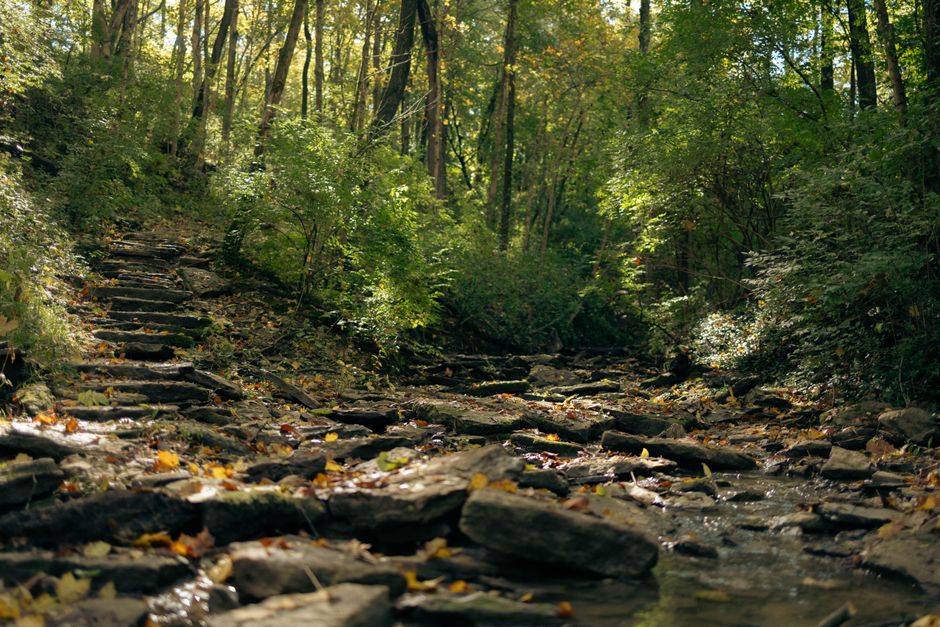
Most people driving through Louisville never see Iroquois Park. It sits south of downtown, 785 acres of actual forest, meadows, and winding drives that feel completely removed from the city. I went there on a recommendation from someone at my hotel who seemed slightly annoyed I kept asking about tourist attractions.
The main draw is Castleman Tower, a stone observation tower built in the 1930s that sits high enough to give you real views—the Ohio River, the city skyline compressed in the distance, the sprawl of Jefferson County rolling out in every direction. It's not dramatic or Instagram-famous. The stone is weathered. There's usually nobody up there. On the day I visited, an older couple was doing tai chi at the base, and that was it.
Park here, walk through the woods a bit, climb the tower stairs. Bring water. The payoff isn't the destination—it's the realization that Louisville has actual geography, actual trees, that it's not all derby hats and bourbon barrel warehouses.
Speed Art Museum: When You Want to See Real Art Without the Crowds
The Speed Art Museum sits on the University of Louisville campus and is free to enter (donation suggested). I went expecting the typical university collection—a few decent pieces, mostly fine, nothing mind-blowing. That's not what I found.
They've got contemporary work, medieval stuff, photography, textiles. On a Tuesday afternoon, I had entire galleries to myself. An actual guard came by and we had a five-minute conversation about a contemporary installation that was genuinely interesting. Try doing that at a major metropolitan museum on a weekday.
The building itself is pleasant—natural light, good bones, no sense of being herded. Spend an hour or two here, and you'll have seen better work and had a better experience than you would rushing through somewhere busier. If you're traveling solo and want breathing room, this is it.
Frankfort Avenue and the Neighborhoods Beyond Downtown
Frankfort Avenue runs northeast from downtown and contains maybe forty percent of what makes Louisville interesting, but almost nobody outside the city knows about it. There are local coffee shops, vintage stores that don't feel staged, bars where people are actually from the neighborhood, used bookstores.
I walked it on a Saturday morning and felt like I'd stumbled into someone else's routine. Parents were getting coffee. Kids were in the park. One vintage shop had a hand-painted sign and a real musty smell that you don't get anymore. I bought a 1950s Kentucky map and talked to the owner about neighborhoods I should visit. He pointed at his window and said, 'Walk around. Stay a while.'
There's no reason to stay on Main Street if what you actually want to see is a city functioning normally. Frankfort Avenue is where that happens.
The Filson Historical Society: Obsessive but Worth It
The Filson Historical Society is a research library and museum dedicated to Kentucky history. That description makes it sound dry, which is only partially true.
They have documents, maps, artifacts—actual Kentucky historical material collected and preserved by people who clearly care. But they also have a small museum space with rotating exhibits that often focus on weird, specific stuff. When I visited, there was an exhibition on early Louisville maps. Not exciting by most standards. Completely engrossing if you spent time looking at it.
The upside: you're never waiting in line. You can ask the staff questions and they will actually engage with you. It's the kind of place that exists because people in Louisville wanted to preserve Louisville history, not because it needed to be a tourist draw. If you're the type of person who likes maps, old documents, local history, you'll spend two hours here easily. Everyone else will be glad they have the space back.
Mellwood Arts Center and the Artist Community You Don't Know About
Mellwood is in a converted pencil factory in the Butchertown neighborhood. It's essentially a big live-work space for artists and contains studios, galleries, a couple of bars, event spaces. The whole thing feels slightly unfinished in the best way—not polished, not trying too hard.
I went on a Friday evening when they had an open studio night, which means people who actually live and work there are around. I talked to a ceramicist about her practice. Watched someone printing photographs in a makeshift darkroom. Had a beer at a bar that was actually just there for people who worked in the building.
This is where the city's creative community actually congregates. Not in some branded arts district, but in a reclaimed warehouse that smells like clay and ink. It changes depending on what's happening—sometimes it's buzzing, sometimes it's quiet. Worth checking what's on before you go, but even a walk through the studios on a random afternoon gives you a better sense of Louisville than a lot of curated experiences.
Waterfront Park's Eastern Edge (Past the Balloon)
Everyone knows about Waterfront Park because it's downtown and obvious. But they all cluster around the big attractions: the Great Lawn, the water features, the famous oversized hot-air balloon. Then they leave.
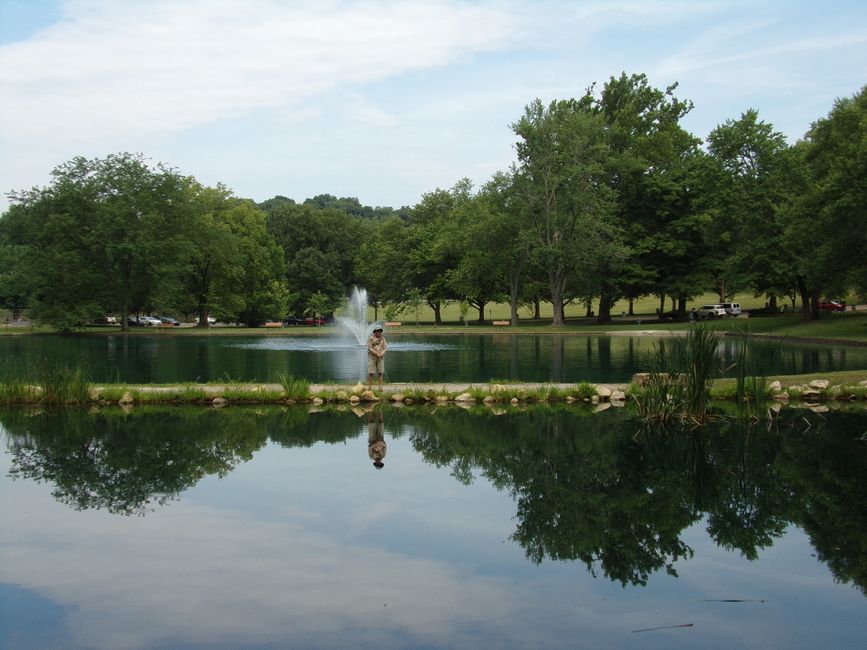
Walk east along the river instead. There's less infrastructure, fewer people, actual views of the Ohio River that aren't framed by playground equipment. I sat on the grass at sunset and watched the light hit the water. A few runners passed by. That was it. It's not dramatic, but it's quiet, and sometimes quiet is what you need after a day of tourist activity.
The riverside itself is nice if you're willing to ignore the manicured parts. The river is real. The commerce of Louisville happens here. Barges move. It's something most visitors never actually see.
Shopping on Bardstown Road and Baxter Avenue
These two main streets in the Highlands neighborhood contain most of the actual local retail in Louisville. Vintage shops with no theme. Independent bookstores. Record stores. Thrift outlets. Places that seem to exist because the owners wanted them to exist, not because there was a market opportunity.
I spent a morning wandering in and out of shops with no plan. Bought a novel at Carmichael's, an old cookbook at a used goods store, coffee at a place where the owner recognized a regular customer who came in. No curated experience. Just existing commerce.
If you want to see what people actually buy and care about in Louisville, stop here instead of trying to find the bourbon museum gift shop or whatever else is in the tourist corridor. You'll understand the city better and probably eat better too—the food around here is genuinely good and not presented as spectacle.