I landed in Memphis on a Thursday afternoon with the kind of restless energy that comes from a cross-country drive. Before I'd even claimed my bags, I was already thinking about where I'd actually want to spend the next few days—not just sleep, but live. Memphis has a reputation, rightly earned, for being real. The neighborhoods feel lived-in, not gentrified into pastels and farmer's markets. That said, they're not all equally livable for a short-term visitor who doesn't have a car or prefers walking to dinner.
The Airbnb game here is different than it is in, say, Nashville or Austin. Landlords haven't fully discovered the algorithm yet, which means prices remain somewhat reasonable and the places still feel like actual neighborhoods rather than tourist pods. But you have to pick carefully. Book the wrong corner and you're either spending $200 a night for a twee bungalow or walking home at night through blocks that make you uneasy. I've done both. Here's what I learned.
Midtown: The Safe Default
Midtown is where most out-of-town visitors end up, and honestly, there's a reason. It's the largest walkable hub in the city—centered loosely around Cooper Avenue and the intersection with Young Avenue—with actual sidewalk traffic after dark. Coffee shops, restaurants, bars, and a used bookstore that's worth an hour of your time. You can walk to Overton Park, which is genuinely nice, and the Memphis College of Art area gives the neighborhood a slightly younger, creative energy without feeling forced.
The downside: it's the most expensive of the neighborhoods I'm covering here. Expect $120–$180 a night for a decent one-bedroom or studio. There's also a density of young professionals and students that means Thursday through Saturday can be louder than you might want. But if you're here for the nightlife—or at least don't mind the option—Midtown delivers. It's safe to walk at night. Street lights work. The police presence is visible without being intrusive. If this is your first Memphis trip and you want to minimize risk, start here.
South Main: Quieter and Closer to Everything
South Main is the neighborhood that surprised me most. It's gentrified—there's no point pretending otherwise—but not the whole way through. One block feels like a legitimate arts district with galleries and rooftop bars; two blocks over you'll find boarded windows and empty lots that remind you this is still Memphis. The neighborhood runs along Main Street south of downtown, and it's anchored by better restaurants than Midtown has, including some genuinely good barbecue and a few spots that get real cooking done without Instagram polish.
Walkability is solid, though not quite as dense as Midtown. You're looking at maybe 15–20 minute walks between major clusters of stuff. But that's not entirely bad—it feels less touristy and more like you're actually navigating a place. Safety at night is reasonable if you stick to the main drag and the better-lit side streets. I wouldn't wander deep into the residential blocks after dark, but that's general Memphis caution, not South Main–specific paranoia.
Pricing runs $90–$150 a night, which is a real difference. The neighborhood is quieter than Midtown—fewer bars with outdoor seating, fewer weekend crowds—which appeals to people who want to work or read during the day and have a calm home base. It's my default pick if I'm planning to spend serious time in the city.
Cooper-Young: The Neighborhood Feel
Cooper-Young sits at the intersection of Cooper and Young Avenues in East Memphis, and it's the closest thing the city has to a genuinely mixed, established neighborhood with character. The vibe is deeply unpretentious. You'll find vintage shops, dive bars that have been there for thirty years, small restaurants run by people who seem to actually care, and a weekly farmers market that's low-key instead of overcurated. It has fewer Airbnbs than Midtown, which means less transient energy.
Walkability is good within the immediate district but drops off quickly as you move outward. You can spend several hours walking around Cooper-Young without needing a car, but if you want to eat somewhere else or hit another neighborhood, you'll likely need a ride. The streets are reasonably well-lit and foot traffic is consistent. It doesn't feel as commercially hardened as Midtown or as deliberately trendy as South Main. It feels like a place where people actually live.
Nightly rates typically run $80–$140, depending on whether the unit is a full apartment or a shared space. The neighborhood is genuinely quieter than Midtown—not because it's dangerous, but because there are fewer commercial bars and less nighttime density. This is a good option if you want the real Memphis experience without the tourist infrastructure.

Germantown: The Quiet Edge
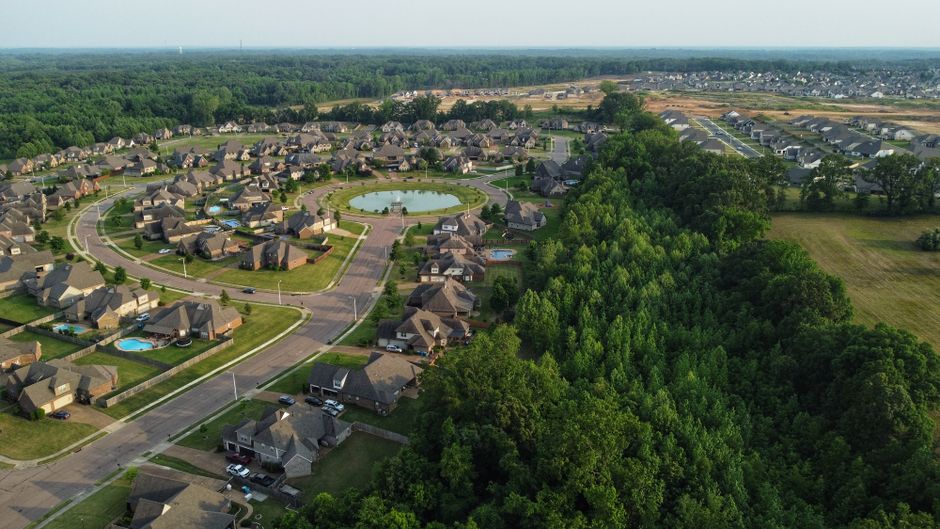
Germantown is technically a suburb north of Memphis proper, and it reads that way. Clean, safe, orderly, and genuinely boring if you're looking for walkable nightlife. It exists mostly as a bedroom community with good schools, which means your neighbors will be families and retirees, not twenty-five-year-olds looking for late-night hangouts. There's a small downtown area with basic restaurants and shops, but it closes down early.
The main virtue: it's cheap and it's safe. Nightly rates run $60–$110, and you'll have zero stress walking around, including at night. If you're using Memphis as a base for day trips to Graceland, Sun Studio, or Mud Island, and you want a quiet place to decompress, Germantown works. But don't book it expecting walkable nightlife or the feeling of being in a real city. You'll be disappointed. Book it if you want a safe, clean, economical room and plan to stay in the quieter periphery.
Practical Notes on Booking and Safety
A few things I learned the hard way. Check the specific block, not just the neighborhood. South Main and Midtown both have pockets that feel markedly less comfortable—usually one or two blocks away from the main strips. Read recent reviews carefully. Airbnb filters are useless here; you need actual human commentary. Ask hosts about street parking if you have a car. Memphis street parking is free, but some blocks are tighter than others.
On safety: Memphis has real crime statistics that you can look up. I'm not going to pretend it's Asheville or Knoxville. But the neighborhoods I've described—Midtown, South Main, Cooper-Young, and even Germantown—are meaningfully safer than national averages. You don't need to be paranoid. You do need to use the same judgment you would in any mid-sized city. Don't walk alone with headphones at 2 a.m. through unfamiliar blocks. Don't leave gear visible in a parked car. The usual rules.

Where I'd Actually Sleep
If I had unlimited time and no work to do, I'd book something in Cooper-Young for the neighborhood texture and rent a cheap car for a week. If I had a deadline and needed reliable WiFi and walkable restaurants, South Main. If I was visiting for a specific event or wanted maximum nightlife density, Midtown, knowing I'd pay for it.
Memphis rewards people who spend time in it. The first two days feel a little rough—the architecture is rough, the streets don't always feel manicured, the history is complicated and heavy. But by day three or four, the city's real appeal starts to show up. It's a place with actual culture, not a theme park version of it. Pick a neighborhood that matches your actual needs, not your Instagram aesthetic, and you'll feel it.