I landed in Memphis on a humid Tuesday afternoon with the standard itinerary everyone gets—Graceland, Beale Street, Sun Studio. Which is fine. Those places exist for a reason. But by evening I was tired of the crowds and the gift shops, so I rented a bike and started moving without a plan. That's when Memphis actually showed up.
The city doesn't advertise itself as a place with quiet corners and unexpected beauty. It's known for its music history and ribs, which is accurate but incomplete. What struck me was how much interesting stuff sits a few blocks or neighborhoods away from what the hotels suggest you do. No velvet ropes, no curated narratives. Just the city as it actually is.
The Shelby Farms Pecan Grove—A Massive Park Most People Don't Know About
Shelby Farms Park is enormous—4,500 acres—and yet most tourists never make it there. They stay downtown or head straight to Graceland. That's a mistake.
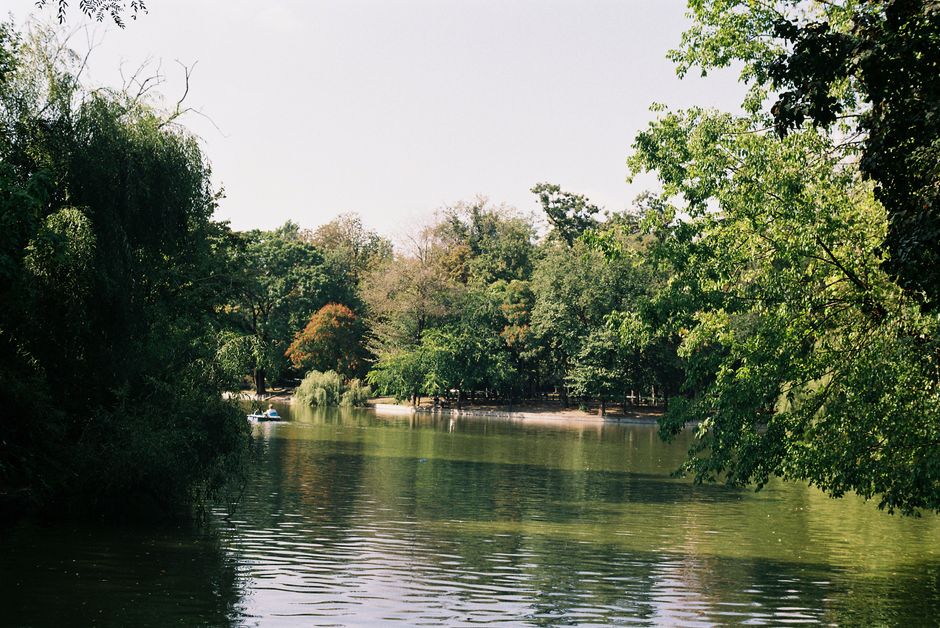
I spent a whole morning cycling the trails and watching people actually from Memphis use the place without performing for anyone. There's a lake where people fish. There's a treetop adventure park that looks legitimately fun if you're into that. The zoo is in there too, though it's not the main reason to go. The reason is space. Real, breathing space. The pecan grove section is specifically worth finding—some of the trees are massive and old, and in the right light it's genuinely peaceful.
The park charges a small entry fee per car. If you're biking or walking in from nearby areas, you might not pay anything. The trails are well-marked but don't feel manicured to death. Bring water and sunscreen. The shade isn't guaranteed.

The Bass Pro Shops Pyramid—Yes, Really
I know. A Bass Pro Shops doesn't sound like anyone's travel highlight. But this building is the 32-story Great American Pyramid, built in the 1990s as a museum venue, and then it sat half-empty for years before the company moved in and did something weird and functional with it.
There's an observation deck on the top. Most tourists don't bother because it's inside a fishing supply store, which feels like a punchline. But the view is legitimately good—you're looking out over downtown Memphis and the river from 500 feet up, and there are almost no other people up there. I paid around $15 and spent maybe 20 minutes just looking at the city from an angle I wouldn't have otherwise. The interior of the building is also genuinely strange—they've maintained the old museum's decor in weird ways. It's an easy thing to laugh at and an easy thing to skip, which is why it works as a spot that stays quiet.
Elmwood Cemetery—Where History Isn't Behind Glass
Cemeteries aren't everyone's travel move. I get it. But Elmwood is different from most cemetery visits because it's woven into Memphis's actual history in ways that feel present rather than commemorated.
People from every era of the city are buried here—musicians, activists, business people, people nobody remembers. There's a section with markers from cholera epidemics in the 1800s. The grounds are actually beautiful—old trees, good paths, none of the manicured lawn-park aesthetic that makes most modern cemeteries feel sterile. I walked around for an hour and saw maybe two other people. A groundskeeper told me some of the stories, unprompted. That's the thing about quiet places—people who work there often appreciate when someone actually stops to pay attention.
It's free. It's open during daylight hours. Go with some respect and an actual interest in looking around, not just ticking a box.
The Penthouse Bar—Inconspicuous Blues and Cheap Whiskey
Beale Street is fine if you want live music packaged for tourists. The Penthouse is what Beale Street looks like when it's not performing. It's a smaller venue that doesn't market itself heavily, tucked away where you notice it only if you're actually walking the neighborhood instead of following the main drag.
I showed up on a Wednesday night and there was a blues band playing to maybe 40 people. The drinks were actual prices, not Beale Street prices. The crowd was mixed—some tourists who'd wandered the right way, mostly locals. Nobody was dressed up. The band was good not because they were polished but because they were comfortable, which is a different thing.
These venues come and go, and I can't promise it'll be there or in the same form when you visit. But this is the category of place worth looking for—small live music spots where you're not a curated audience member but a person who happened to be in the room.
Mississippi River Greenbelt Park—The City's Actual Waterfront
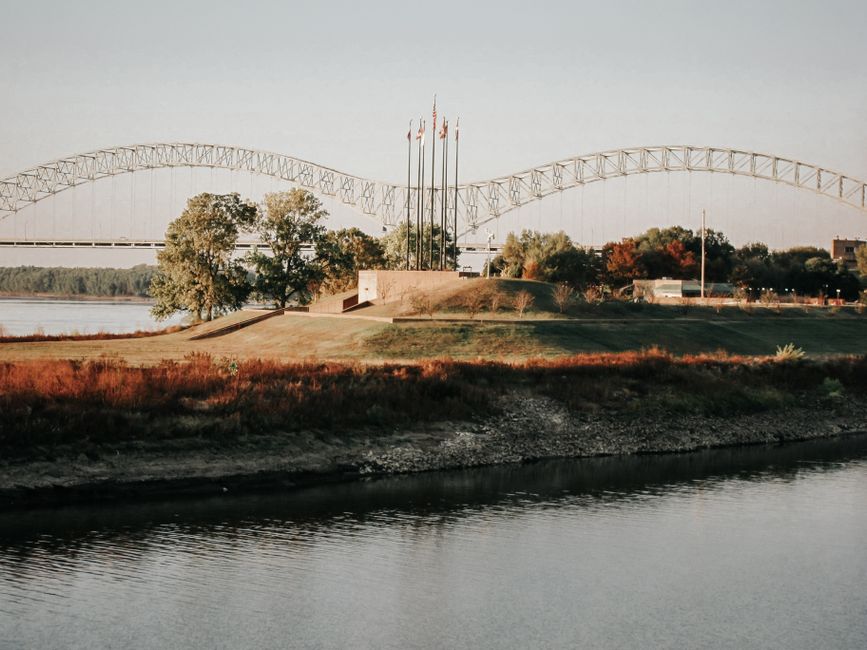
Most tourists see the Mississippi from a distance or from a riverboat. Greenbelt Park is where you walk along it. There's a path that runs alongside the water for several miles, and it's genuinely pleasant—you're walking under cottonwoods, watching the river move, and you're not being funneled through a gift shop.
I walked it at dusk and got the whole river-city aesthetic without any infrastructure telling me how to feel about it. There are places to sit. The path is used by locals, joggers, people with dogs, the full actual-city cross-section. On weekends it gets busier but still nothing compared to downtown. The access points are scattered around but not heavily signed, which means it stays relatively quiet.
This is a completely free walk. Park nearby—the neighborhoods around the river have street parking. Bring a book if you want to stay awhile. Watch the river traffic. This is what I came to Memphis for, though I didn't know it until I found it.
The Cooper-Young District—Local Shops Without the Tour Bus Schedule
There's a neighborhood around Cooper and Young streets where local Memphis actually spends its time—small shops, restaurants that aren't famous, coffee places that don't advertise on Instagram. It's about 15 minutes from downtown depending on traffic, and almost no tourists venture there because it's not on anyone's official list.
I spent an afternoon wandering the shops. There are vintage places that feel like actual curatorial work rather than styled boutiques. A coffee shop where people were sitting and reading, not taking photos. A used bookstore that had clearly been there forever. A record shop with serious stuff mixed in with the obvious stuff. None of this is revolutionary. It's just what a city's actual neighborhood looks like when it's not filtered through the tourism machine.
The restaurants around there are the kind of place you eat without thinking about whether it's famous. That's the whole point. Come here if you want to see what Memphis residents actually do with their time and money, not what the branding suggests they should do.
Final Take
Memphis has its necessary tourist infrastructure, and some of it genuinely is worth your time. But the parts I remember—the parts that actually felt like traveling rather than consuming—happened when I stopped following the map and started noticing what was actually there.
The city isn't hidden. It's just not heavily marketed in its quiet form. That's the distinction. Once you notice it, it's everywhere.