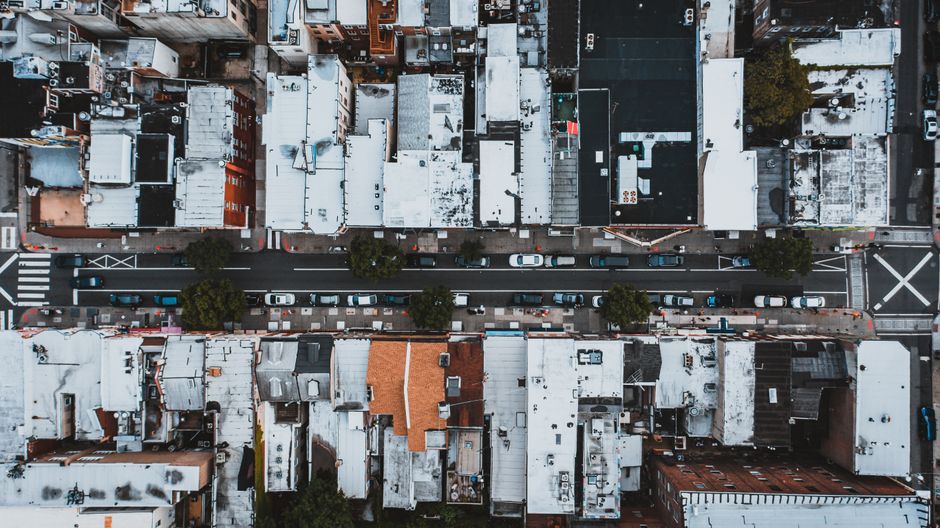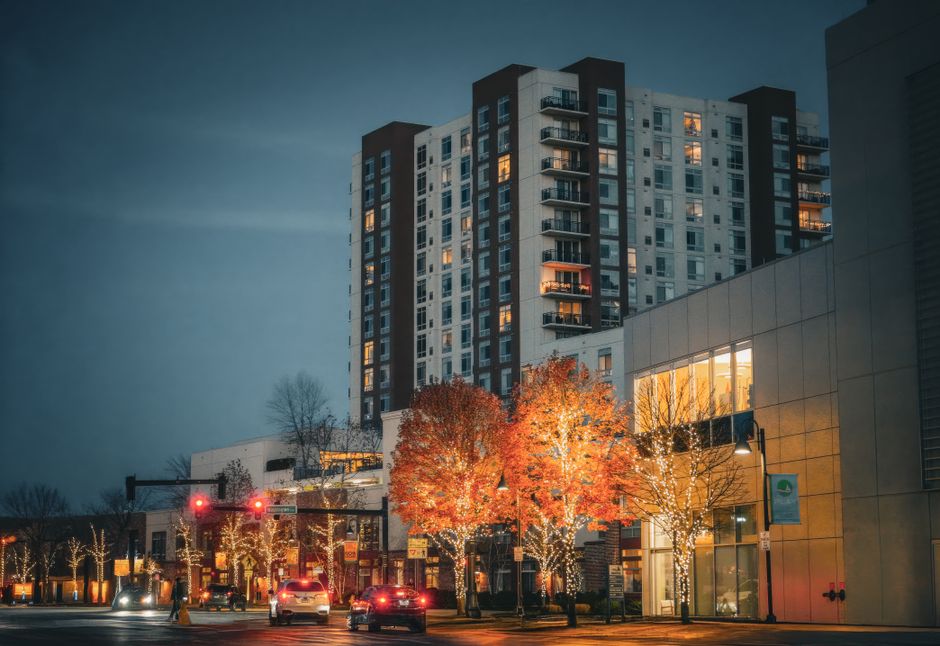
I landed in Nashville on a Tuesday in October and made the mistake every visitor makes: I booked somewhere because it was cheap and close to Broadway. Spent one night listening to live country at full volume through my walls at 2 a.m., then moved. That's when I realized the real game in Nashville isn't finding a room—it's finding a *neighborhood* that matches how you actually want to spend your time.
Nashville's exploded over the past decade, and the Airbnb landscape has fragmented accordingly. You've got your party zones, your quiet zones, your "I want to eat well and walk everywhere" zones. I've spent enough time in this city across multiple trips to know which neighborhoods deliver and which ones promise walkability but strand you on a five-lane road waiting for an Uber. Here's what I've learned.
East Nashville: If You Want Actual Neighborhood Feel
East Nashville, across the Cumberland River from downtown, used to be affordable and quirky. It still has some of that DNA, though prices have climbed. You'll find Airbnbs here for roughly $120–$180 a night, sometimes more during peak season, but the neighborhood itself justifies it.
The main drag—Five Points, Gallatin Pike, the areas around Woodland Street—is aggressively walkable. Coffee shops, vintage clothing stores, decent restaurants that aren't aimed exclusively at tourists. You can get breakfast without fighting a crowd of bachelorette parties. The vibe is young, creative, mildly bohemian in the way American neighborhoods become when artists move in and then get gradually priced out.
Safety-wise, East Nashville is fine during the day and early evening, though like anywhere, you'll want to stay on the main streets after dark. The neighborhood has character, which means it also has some rougher blocks—totally manageable if you're not naive about city life, but not the bubble-wrapped tourist experience. Nightlife here is low-key: dive bars, live music venues that book actual musicians rather than Broadway cover bands, occasionally a decent concert venue. If you came to Nashville to actually experience how people live there, not to binge drink on honky-tonks, East Nashville is the right choice.
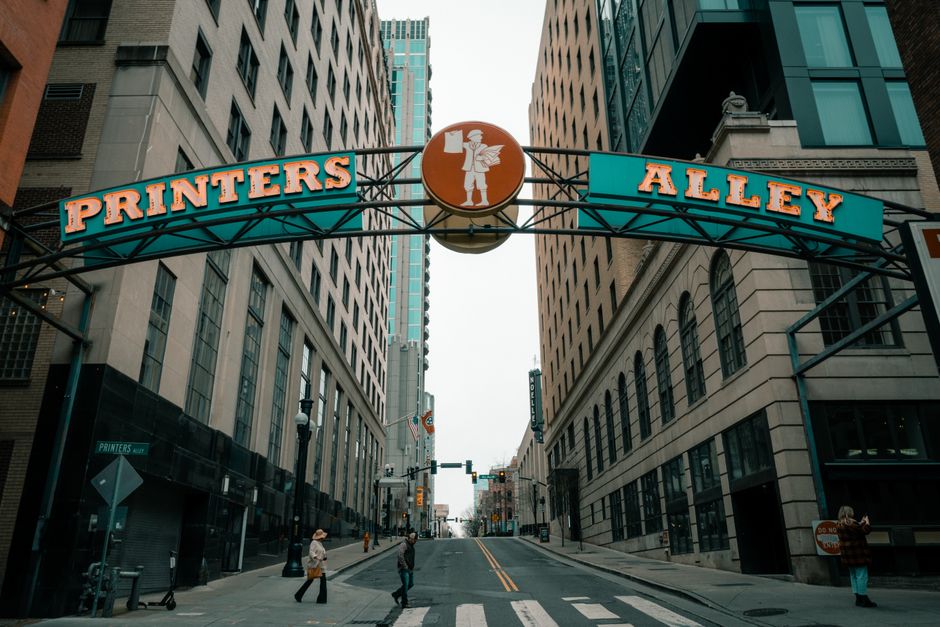
The Nations: Quiet, Walkable, Western Edge
The Nations is west of downtown, technically part of Nashville but psychologically it feels separate—which is exactly why it works. It's a neighborhood in transition: old commercial buildings converting to apartments, new coffee places opening alongside longtime taco joints and barbershops that were there before anyone called it a "hot neighborhood."
Airbnbs here run $100–$140 most nights. The neighborhood is solidly walkable around the main commercial stretch on 51st Avenue, and it's safe—no weird energy, just residential. You'll see people actually living their lives, not performing for tourists. The dining is legitimately good: serious tacos, ramen, some nice wine bars that don't feel self-consciously trendy.
Nightlife is nearly nonexistent, which is the point. This is where you go if you want to be in Nashville but not *in Nashville*, if you understand the distinction. Walkability tapers off once you leave the commercial core, so you'll need an Uber for some things, but the neighborhood itself is pleasant to move around in. Quiet mornings. Actual local coffee shops. This is the neighborhood where Nashville residents who work downtown are actually moving.
Wedgewood-Houston: For the Art Crowd and Night Owls
South of downtown, Wedgewood-Houston (W-H, as people call it) is Nashville's arts district in the way that term actually means something—studios, galleries, murals, artist-run spaces. It's walkable, weird, and has the most interesting nightlife scene outside of Broadway and the Gulch.
Rent is $110–$160 for an Airbnb, usually toward the lower end of that range. The neighborhood is safe during the day and early evening. After dark, you'll want to stick to the main paths, especially if you're walking alone, but there's genuine activity—galleries, pop-up bars, music venues that book experimental stuff. White Limozeen, Cafe Noto, Fifth & Gay—these are places with actual character, not churning tourist dollars.
The draw here is authenticity, or at least the current version of it. You'll see the neighborhood is changing rapidly—development is encroaching, rents are rising, but it hasn't fully corporatized yet. If you're interested in seeing what Nashville's creative community actually does beyond the Broadway facade, this is the neighborhood. Fair warning: it's edgier than East Nashville, less polished, more intentional about staying weird.

Germantown: Close Enough to Everything, Safe, Expensive
Germantown, just north of downtown, is where older Nashville money meets new development. It's the closest thing to a "safe and pleasant" neighborhood that still feels like it's part of the city proper. Brick buildings, tree-lined streets, a few nice restaurants and bars that have been there for years.
Airbnbs are $150–$220 a night here, sometimes more. It's expensive because it's walkable, safe, and every service you need is within a ten-minute walk. You can get dinner without traveling far. The neighborhood is quiet after 9 p.m., genuinely quiet—not interesting-quiet, just quiet. Good coffee, some nightlife but not excessive, a real residential feeling.
The tradeoff is that Germantown can feel a bit sterile, especially if you're traveling solo and want to explore. It's the neighborhood you book if you want comfort and proximity to downtown without actually experiencing much character. Totally valid choice if that's what you need. Safe to walk at night, well-lit, police presence is visible. It's the grown-up choice.
Inglewood: Bohemian But Established
Inglewood, northeast of downtown near the Ryman Auditorium, is an older neighborhood that's been steadily gentrifying for about a decade without fully losing itself. Craftsman homes, tree-lined residential streets, some excellent restaurants, and enough local character that you're not fighting tourist crowds every five minutes.
Expect to pay $130–$170 for an Airbnb. Walkability is good but uneven—the commercial core along Dickerson Pike is walkable, but you'll want a car or rideshare for some nights out. Safety is fine, though again, this is a neighborhood rather than a resort, so use normal city sense. The nightlife is moderate: some honky-tonks that book actual country musicians, some wine bars, some jazz spots. You'll see local people and tourists mixed in, not overwhelmed by either.
Inglewood works well if you want to be close to downtown (and closer to the Ryman, which is actually worth visiting) without staying downtown. It's got the neighborhood feeling of East Nashville but with slightly less pose, slightly less aggressive cool. Quieter than Wedgewood-Houston, less polished than Germantown, more accessible than the Nations if walkability matters to you.

The Practical Reality of Booking
A few things I learned the hard way: Airbnb prices in Nashville are dynamic and stupid. A place that's $100 on Tuesday might be $180 on Saturday. Weekends and anything near a concert week or the CMA Awards will spike hard. Book off-season if you can—September and November are legitimately good months in Nashville.
Also, don't get trapped by the algorithm. Airbnb shows you cheap places first, and cheap in Nashville usually means you're staying in a basement unit on a loud street or in someone's spare bedroom where they're home and weird. Spend a little more and actually get a place with its own entrance. It changes the experience.
Finally: talk to hosts about which neighborhood they actually like. The best information I got was from someone who'd lived in the same Airbnb unit for two years. They knew what was safe, what was walkable, what was actually worth walking to. Read the reviews for mentions of noise. And if something says "close to Broadway," assume it means noisy, because it does.
Skip Downtown, Skip the Gulch
A quick note on where not to stay: downtown and the Gulch. Downtown is loud with live music (great if that's what you want, maddening if you just want to sleep). The Gulch is expensive, overbuilt, and feels like a hotel district that replaced a neighborhood. It's safe, it's convenient, and it's completely soulless. You can get a decent Airbnb there for $180–$250, but you're paying for proximity and sterility, not experience.
If you're set on being within walking distance of honky-tonks and the Parthenon, fine. But there are better neighborhood choices that still get you there easily and won't suck the actual experience out of your trip.