
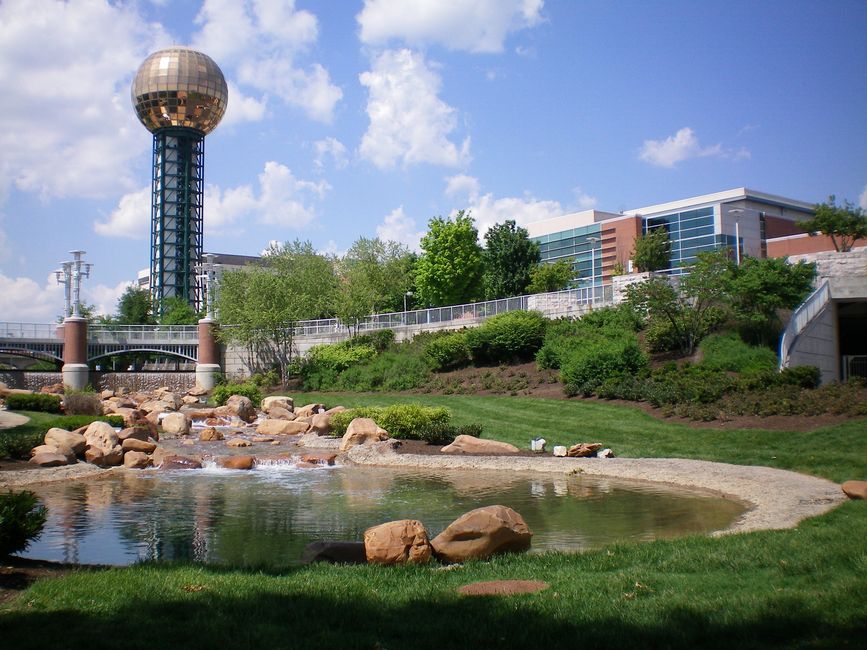
I landed in Nashville on a Thursday in late September, armed with the usual tourist intel: honky-tonks on Broadway, the Parthenon, maybe catch some live music. But the honky-tonks are loud, expensive, and full of bachelorette parties wearing sashes. The Parthenon is exactly what you'd expect—a massive replica in a public park, impressive for five minutes.
After three days of wandering on foot and by bus, I realized Nashville's actual character lives nowhere near those places. It's in the neighborhoods that don't make the guidebooks, in the small museums that operate on volunteer hours, in the parks where locals actually sit. That's where I want to tell you about.
I'm not going to call these places "hidden gems"—that word has been beaten to death. But they're real, they're good, and you won't spend your whole visit standing in line next to 200 other people with a camera phone.
Radnor Lake State Park and Why You Should Walk Its Perimeter
Most visitors who think about nature in Nashville drive to the Parthenon or maybe the Hermitage. Radnor Lake sits about fifteen minutes south of downtown and it's where actual residents go when they want to remember why they live here.
The lake itself is a natural wonder—clear enough that you can see down ten feet or more on a good day. It's spring-fed, protected as a nature preserve, and the walking trail that loops around it is manageable in about an hour and forty minutes if you move steady. I did it at a tourist's pace—stopping to look at birds, taking photos of the water, sitting on a bench for twenty minutes—and still made it back before lunch.
The trailhead parking area is small and fills up on weekends, so go on a weekday morning if you can. The path is well-maintained, mostly flat, and you'll see herons, turtles, and sometimes deer. No concessions, no gift shop, no crowds. Just woods and water and the occasional jogger who actually lives in Nashville.
The Parthenon's Neighbor: The Tennessee State Museum
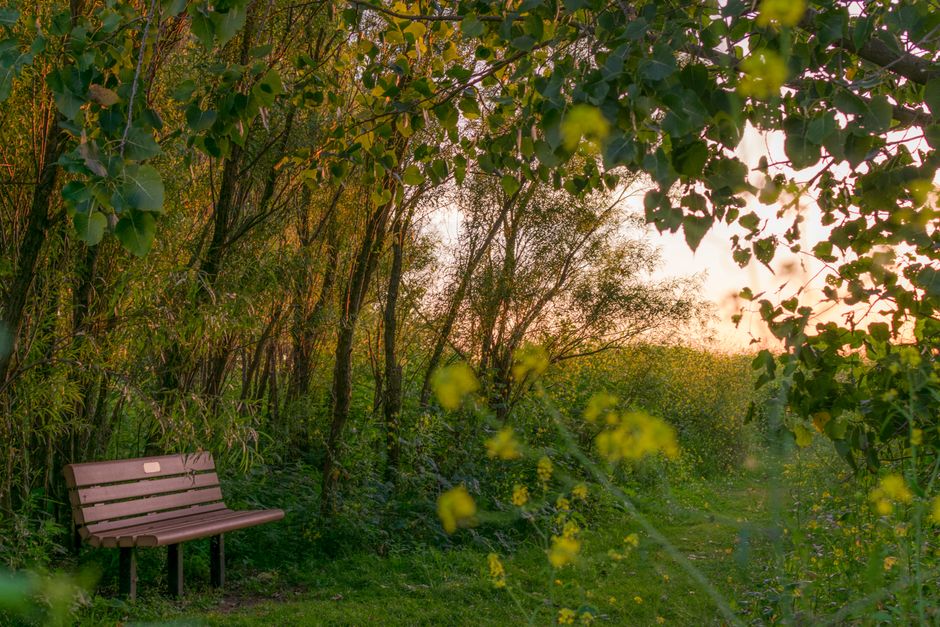
The Parthenon sits in Centennial Park, and while everyone's paying to go inside that oversized sculpture, there's a real museum about fifty yards away that most tourists walk right past. The Tennessee State Museum has two buildings—one for art, one for history—and entrance is free.
I spent an afternoon in the history building and didn't regret a minute. The Civil War section is substantial and unflinching. There's a whole floor about Tennessee music that goes beyond the usual Country Music Hall of Fame fare—folk, blues, gospel, the actual roots of the sound. The art building rotates exhibitions, so what you see depends on when you visit, but I walked through a photography show about forgotten Tennessee towns and came out thinking about something besides my feet.
The crowd level is maybe ten percent of what you'll see at the paid tourist spots. You can actually read the plaques without someone's shoulder in your way. Free coffee in the lobby doesn't hurt either.
Wedgewood Houston and a Cup of Coffee That Tastes Like Someone Cares
Wedgewood Houston is a neighborhood wedged between I-40 and the actual city, the kind of area that doesn't appear on tourist maps but has become home to small galleries, studios, and a handful of excellent small restaurants and cafes. It feels like you've stumbled into someone's actual neighborhood, because you have.
I went there initially because I wanted a decent cup of coffee—Broadway's options run toward chain outlets and tourist-trap cafes—and found Black Peacock Coffee Roasters. This is a small roastery with a few tables, good pour-overs, and none of the Instagram aesthetic that ruins so many coffee shops. The person making my coffee had actually tasted the beans they were selling. We talked about roast profiles for longer than should have been necessary.
The neighborhood itself is worth a walk. There are galleries you can wander into without obligation, a couple of vintage shops, and a restaurant or two that get local loyalty but not line-around-the-block foot traffic. It's fifteen minutes from downtown but feels like a different city. That's the point.
The Ryman Backstage Tour and the Actual Hank Williams Story
Everyone knows the Ryman Auditorium is where the Grand Ole Opry started. Most people just go to see the stage from the audience section. I'd suggest booking the backstage tour instead—it costs more but it's genuinely worth it.
You get to stand on the stage where Hank, Johnny Cash, Dolly, and basically every major country artist performed. That's different from sitting in a pew. Your guide gives real history, not a recited script. I learned about the building's original purpose as a gospel tabernacle, about why the Opry eventually moved out, about the wood floors that have absorbed so much music over the decades. The scale of the place hits differently when you're standing in the space rather than looking at it from fifty rows back.
The backstage tour is also less crowded than the general admission route. You're with maybe a dozen other people instead of hundreds.
Sulphur Dell and the Overlooked Park in the Center of Everything
Sulphur Dell is a tiny park in the Germantown neighborhood, tucked between old Victorian houses and a church. It's maybe two acres total. Most people who pass through Germantown don't even notice it's there.
I stumbled on it while walking around the neighborhood's gallery district and was struck by how quiet it was, how green, how local. There are a few benches, some shade trees, and that's essentially it. No playground equipment, no dog park, no activity whatsoever except sometimes a few people sitting and reading or eating lunch from a food truck parked nearby.
It's the kind of place that reminds you why living in a city can be good. It's where people go when they want to not be bothered, when they want to sit outside near their own neighborhood instead of in a park designed for tourists. On a lunch break I sat there for an hour and watched Germantown happen around me—people walking to lunch spots, neighbors saying hello, the actual rhythm of a functioning neighborhood.
Fort Negley and the Quirky History You Didn't Expect
Fort Negley is a Civil War earthwork fort on a hill south of downtown, built by Union forces and largely staffed by Black soldiers and laborers. It's a state historic site with walking paths through the earthworks and a small museum building.
What you see is a series of grass-covered mounds and ditches—the actual fort's structure. There's a interpretive trail and plaques that tell you what you're looking at. The museum building has artifacts and context about how the fort was built, who built it, why it mattered strategically, and what happened to it afterward. It's not a major production—the staffing is thin, the hours can be irregular, so call ahead—but the history is compelling and it's genuinely strange to be standing on Civil War military infrastructure while looking out at modern Nashville.
The Fort sits in a working-class neighborhood that also doesn't make most tourist itineraries. There's a park at the base with picnic tables. I hiked up to the fort on a cool afternoon, read about reconstruction-era military strategy, and sat on the earthworks watching the city in the distance. It costs almost nothing and absolutely nobody was there.
East Nashville's Local Drag and an Afternoon of Actual Discovery
Five Points in East Nashville is a neighborhood commercial strip that's become genuinely interesting over the last decade without losing its actual character. Main Street runs through it, and it's full of small shops, used record stores, restaurants that serve food made by people who live in the neighborhood.
I walked the strip methodically and hit a vintage shop that specialized in 1970s home goods, a record store with actual organization and knowledgeable staff, a bakery that was already sold out of bread by 2 p.m. because they make small batches, a used bookstore, and at least three restaurants that looked like they had opinions about what they were cooking. Nobody was trying to upsell tourism. Everything felt like it was operating at a normal human scale.
This is the type of neighborhood where you can actually get lost in a good way. No tour guides, no recommendations to see here, no expectation that you'll buy anything. Just a functioning neighborhood strip where local people shop and eat and spend time.



