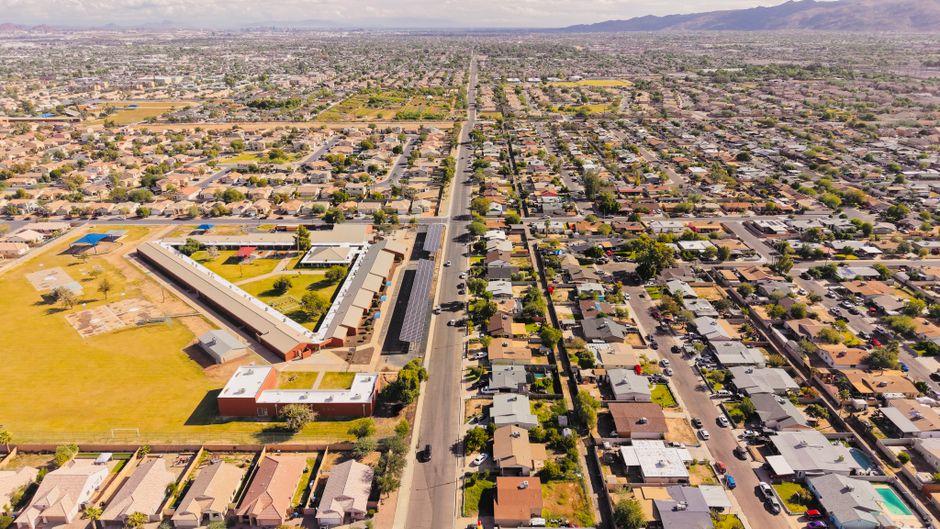
I landed in Phoenix in July once, which I do not recommend, but that's beside the point. What struck me wasn't the heat—everyone warns you about that—but how spread out everything feels. Unlike cities where you can stumble into a neighborhood and find your footing, Phoenix requires you to actually think about where you're staying. An Airbnb in the wrong pocket of the city means you're driving 20 minutes for dinner. Pick the right one and you can walk to coffee, tacos, and a bar without planning it like a military operation.
I've spent enough nights bouncing between Phoenix neighborhoods to get a sense of what works for the short-term visitor. Some areas are genuinely walkable and interesting. Others are perfectly fine but boring, or safe but car-dependent. Below are the neighborhoods I'd actually book again, with honest notes on what you're getting into.
Roosevelt Row and Central Phoenix
This is the neighborhood that most resembles what people imagine when they think "urban Phoenix." It's centered around the Roosevelt neighborhood but bleeds into nearby blocks—think Roosevelt Street, Grand Avenue, and the surrounding grid. You've got galleries, street art, vintage shops, coffee spots that don't suck. On warm evenings (which is most evenings), people actually walk around.
Safety is decent, though like any dense urban area, you want basic awareness. It's not a haven for late-night bar crawls—the nightlife is more craft cocktails and live music venues than club-hopping—but there's enough going on if you want to be out past dinner. You can walk to most things you'd want to do. The vibe is artistic and slightly bohemian without feeling like it's trying too hard.
Nightly rates typically run $100 to $180 depending on whether you're in a shared space or a private place. That's reasonable for what you get in terms of walkability and actual neighborhood character. A lot of young professionals and creatives live here, so the Airbnb stock tends to be thoughtfully done rather than corporate-bland.
Scottsdale's Old Town
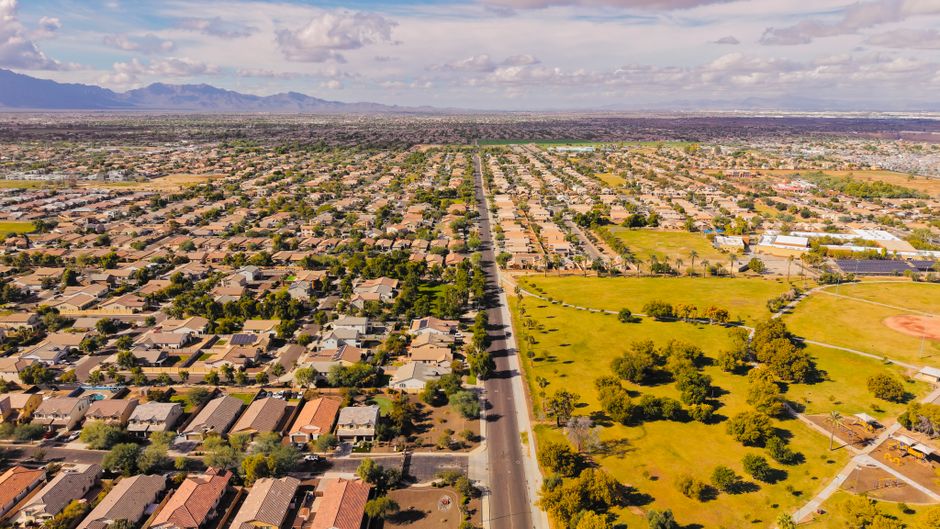
Old Town Scottsdale is the obvious choice, and honestly, it deserves the reputation. It's walkable in a way that most of Phoenix isn't. Brown Avenue, Main Street, Marshall Way—these are genuinely pleasant blocks with galleries, restaurants, bars, and people moving around on foot. If you've never been to Phoenix before and want something that feels immediately livable, start here.
The tradeoff is that it caters heavily to tourists and snowbirds, which means it's pricier and occasionally feels a bit like a theme park version of a town. That said, the actual restaurants and bars are solid. Night safety is very good because it's well-lit and perpetually populated. The nightlife balance is perfect if you want both quiet cafes and busy bars; they coexist happily.
Expect $140 to $220 per night, sometimes more if you're looking at nicer properties. That's the highest end of what I'd recommend, but you're paying for walkability and the feeling that you're in an actual place rather than just passing through. If you're splitting a larger rental with friends, it becomes much more reasonable.
Tempe Near Arizona State
Tempe gets less attention than Scottsdale, which is partly why it's actually worth considering. It's built around Arizona State University, so there's a real downtown core—Mill Avenue and the surrounding blocks have restaurants, bars, and shops. The entire district is walkable and, because it's college-adjacent, has some genuine energy without feeling overly polished.
Nightlife is real here. There are actual bars, live music venues, and late-night food options. The crowd tends younger, which means it can feel rowdier on weekends but also friendlier if you want to meet people. Safety is fine in the main downtown area, though like any college town, basic awareness helps, especially late.
Pricing runs $80 to $150 per night, making it one of the more affordable options on this list. You sacrifice some of the refined-ness of Old Town Scottsdale, but you gain actual local energy and lower costs. If you don't mind being around students and want to feel like you're in a real community rather than a tourist zone, Tempe hits a sweet spot.
Central Camelback and Uptown Phoenix
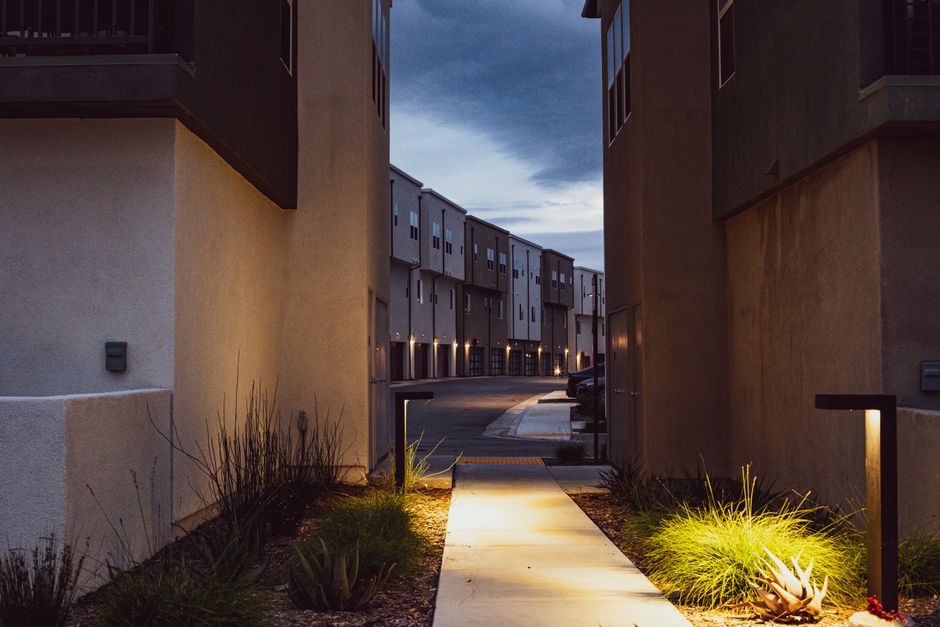
This area sits between downtown and the north hills, and it's where a lot of Phoenix's actual residents live rather than tourists. You've got the Camelback Corridor, Arcadia, and surrounding blocks—quieter than Roosevelt Row but more interesting than outer suburbs. Walkability is moderate; you can walk to some things but you'll drive for others. That's honest Phoenix.
Nightlife is not the main draw here. If you want quiet evenings with good restaurants and maybe a glass of wine in a non-scene environment, this works. Safety is very good. It's residential enough to feel stable but populated enough that streets aren't empty after dark.
Nightly rates are $90 to $150, depending on the specific location and property. This is a neighborhood where you're not paying for walkability cred; you're paying for actual comfort and residential feel. Good if you want to move a bit slower during your Phoenix stay, or if you're using the city as a base while taking day trips to places like Sedona or Flagstaff.
South Phoenix and Laveen
I'm including this cautiously because South Phoenix is less established for short-term tourism, but it's worth knowing about if you want something genuinely different. Parts of the south side, particularly around Laveen and the Ahwatukee area, have real communities and some interesting small spots. You're not getting a walkable downtown—Phoenix doesn't really have a walkable south side—but you're getting actual neighborhood life, lower prices, and less tourist infrastructure.
Nightlife and walkability aren't the selling points here. Safety varies block by block, so you really need to research specific streets and look at recent reviews. The trade-off is that you'll experience parts of Phoenix that most visitors never see, which can be exactly what you want if you're interested in the real city.
Nightly rates drop to $60 to $110, sometimes lower. This makes sense only if you have a car and are willing to navigate the city on your own terms. Not recommended for first-time Phoenix visitors without a vehicle, but worth knowing it exists if you're looking to save money and you don't need walkability.

What Actually Matters When Booking
Walkability in Phoenix is always relative. Even the most walkable neighborhoods require car trips sometimes. Roosevelt and Scottsdale are the exceptions where you can genuinely stay put without feeling trapped. Everywhere else, assume you'll want a car or be comfortable with occasional Ubers.
Safety is better in established neighborhoods with foot traffic. That means Roosevelt, Scottsdale, and Tempe downtown—not because other areas are dangerous, but because populated areas with street lights and people around have inherently better sightlines. Research specific blocks, not just neighborhoods. Look at reviews from recent guests, not just guidebooks.
Price and vibe often move inversely. You can find cheap places in boring areas, or pay premium for Roosevelt Row's authenticity. The sweet spot for most visitors is probably Tempe or Camelback—reasonable prices, actual things to do, safe, and real enough not to feel corporate.
A Real Phoenix Note
One thing I'd say after multiple visits: Phoenix rewards preparation. Unlike cities that reward wandering, you'll be much happier here if you actually pick a neighborhood that matches what you want to do, then pick a specific spot within that neighborhood. Zoom in on Google Maps. Check what's actually within walking distance. Read the Airbnb reviews for the specific property, not just the general area.
Also, seriously consider visiting outside of June through September if you possibly can. Phoenix in winter is legitimately lovely. The same neighborhoods I've mentioned will feel exponentially more walkable when you're not trying to navigate 115-degree heat at dinner time.