I landed in Phoenix on a scorcher of an afternoon in March, the kind of heat that makes you recalibrate your sense of what's survivable. The usual advice was already waiting in my inbox: Camelback Mountain, Desert Botanical Garden, Old Town Scottsdale. All fine. All crowded as hell.
I'd spent enough time in sprawling Southwestern cities to know the real stuff isn't on the main loop. So I ditched the rental-car GPS algorithm and started asking servers, baristas, people waiting for the light rail. After a week of actually moving through Phoenix instead of parachuting into its designated tourist zones, I had a different map entirely. Here's what I found.
Papago Park: The Actual Sunset Spot
Everyone goes to Camelback. I get it. But Papago Park, just east of downtown near the Indian School Road exit, is where you end up when you want a hike that doesn't feel like an endurance test and a view that doesn't require elbowing through a hundred other people with iPhones.
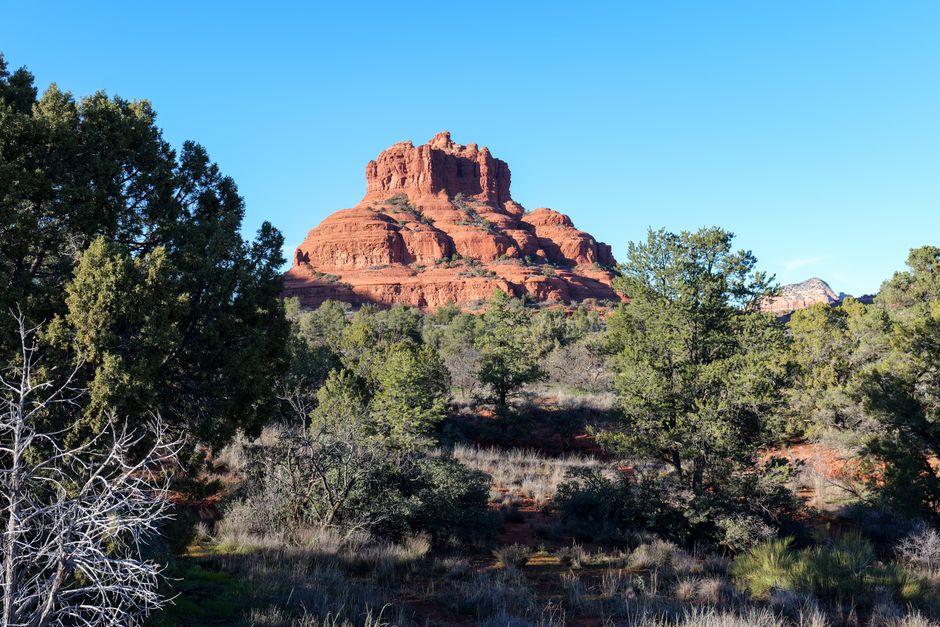
The park sits in a geological pocket—all rust-colored rock formations and low desert scrub—and the main loop is maybe 1.5 miles, flat enough that you're not destroyed but interesting enough that you're not bored. The views of the valley from the top actually take your breath away, and the light at sunset hits those rocks in a way that makes you understand why people settled here in the first place, heat be damned.
There's a small paved area and decent parking. Go in the late afternoon if you want the light show without the crowd. The park fills up, sure, but it's a fraction of what you'll find on Camelback, and the people who do come tend to be locals who just want a quiet walk, not an Instagram location.

The Heard Museum: Smaller Than You'd Think, Better Than Expected
The Heard sits on Central Avenue north of downtown and focuses almost entirely on Native American art and history, particularly Southwestern tribes. It's not huge—you can actually move through it in two or three hours without feeling rushed—and it doesn't have the institutional weight of a major metropolitan museum. Which is exactly why it works.
The permanent collection rotates, but the pieces feel curated rather than overwhelming. I spent a solid hour on the textiles alone because, honestly, I'd never really looked at Navajo weaving the way you should. The temporary exhibitions lean toward contemporary indigenous artists, which means you're not stuck in a purely historical framework. There's a good gift shop with actual local work, not the generic Southwestern stuff you find at every airport.
The museum sits on some grounds with views of the valley, and the entry fee is reasonable. It's the kind of place that doesn't try too hard to be everything for everyone, which makes it genuinely worth your time.
The Roosevelt Row District: Actual Artists, Actual Graffiti
Roosevelt Row, just south and east of downtown along Roosevelt Street, is Phoenix's arts district in the way that term actually means something. Not a themed development with restaurants that opened last year. Actual studios, actual street art, actual working artists annoyed when people call it "hip."
You'll walk past storefronts that are half-gallery, half-active studio. Some places have open hours that are more suggestion than rule. There's a monthly art walk (usually the second Friday), but the real move is to wander on a random Saturday afternoon when the crowds are thinner and the artists are actually around. The murals are everywhere—constantly changing, constantly better than the last iteration. This is where people bomb walls with actual skill, not tourist-bait spray paint.
There are a few good coffee spots and a couple of restaurants if you get hungry, but the main draw is the walk itself and the reminder that Phoenix has an actual creative infrastructure, even if nobody talks about it. You'll feel like you're somewhere real, which is rarer in Phoenix than you'd think.
The Desert Botanical Garden's Neighbor Strategy
Since I'm telling you to skip the standard tourist loop, I should clarify: the Desert Botanical Garden is fine if you like organized plant collections and don't mind paying top dollar for it. But the neighborhoods around it—particularly the areas just south toward Tempe—have some genuinely interesting smaller museums and galleries that nobody visits.
The ASU Art Museum is one. Free entry. They rotate contemporary and historical work, and the building itself is worth seeing. It's close to the main garden but might as well be in another city for how few tourists make it over there. Nearby you'll find smaller galleries and studios in that transitional area between Phoenix and Tempe, the kind of strip that has coffee roasters and used bookshops mixed with residential blocks.
The advantage here is you can spend a morning in this quadrant without feeling like you're on a schedule. The smaller institutions move slower, let you actually think about what you're looking at. No one's rushing you through.
South Phoenix's Malls and Markets: Where Actual Shopping Happens
This sounds weird. I know. But if you want to see Phoenix as a real place—not as a resort destination—spend an afternoon in one of the older commercial corridors south of downtown, particularly around 7th Avenue or 15th Street. You'll find immigrant-owned businesses, markets, restaurants, discount outlets. Real neighborhood stuff.
These areas aren't gentrified yet, which means the prices are honest and the people actually live there. You can find restaurants doing Salvadoran, Mexican, Vietnamese, Lebanese food that isn't watered down for tourists. There are used clothing stores, electronics shops, markets with products you won't find in Whole Foods. It's not "tourism" in any traditional sense, which is exactly the point.
Do basic street smarts apply? Sure, like anywhere. But the actual vibe is friendly and welcoming if you're respectful and aren't taking photos of people without asking. You'll see an entirely different Phoenix than the one in the resort brochures—more diverse, more interesting, more real.

Willo District: Old Neighborhoods With Actual History
The Willo District, just north and east of downtown, is one of Phoenix's oldest residential neighborhoods. Victorian and early craftsman homes, quiet tree-lined streets, neighborhoods that actually have density and character. It's not a museum district—people live here, it's their home—but the architectural integrity is remarkable, and the walk is genuinely pleasant.
There are a few small cafes and shops that have opened up over the years, but mostly it's residential. The vibe is quiet. You're walking through actual neighborhoods where families have been for generations, alongside newer residents drawn by the bones of the area. It gives you a sense of what Phoenix looked like before sprawl took over, which is useful context for understanding why the city is shaped the way it is now.
Best visited on foot, early morning or late afternoon when it's cooler and when you're less likely to feel like you're walking through someone's backyard (even though technically you are). It's a good humbling walk after a few days of resort pools and curated experiences.
The Real Move: Buy a Week's Worth of Water
Okay, the unsexy bit: Phoenix kills people who don't respect the heat. If you're visiting, particularly outside of the winter months, this isn't dramatic. You'll buy water, carry water, drink water. It's not optional. Get something reusable, fill it constantly.
The reason I'm mentioning it here is that respecting the climate makes the rest of the city more accessible. You stop trying to do everything in a day. You move slower. You appreciate shade and covered areas. You find spots like Papago Park and the neighborhoods I mentioned because you're not rushing to hit a checklist before sunset. The heat forces a rhythm that's actually kind of nice if you stop fighting it.