
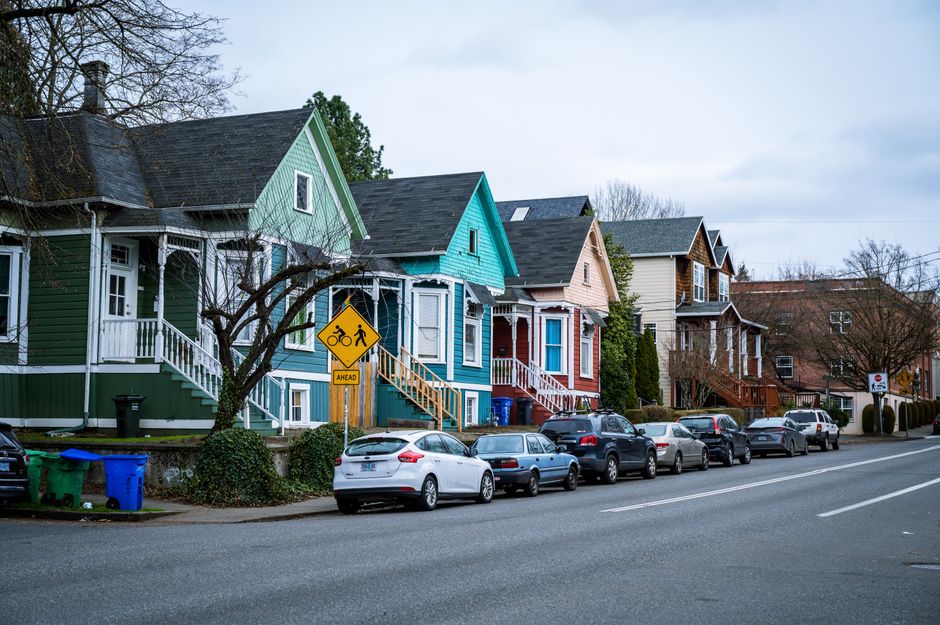
I showed up in Portland on a wet October afternoon with three nights booked in a stranger's basement studio and absolutely no idea where I was. The driver took me through tree-lined streets and past coffee shops I'd never heard of, and I remember thinking: this city is way bigger than its reputation but also somehow intimate. After spending time in five different neighborhoods across three separate visits, I've learned that where you plant yourself in Portland matters enormously—not for Instagram purposes, but for the actual rhythm of your days.
The city's layout is straightforward enough: the Willamette River runs north-south, dividing east from west. But the neighborhood experience varies wildly. Some areas buzz with late-night energy and creative chaos. Others are quiet enough that you hear the rain on the leaves. Most visitors end up in one of five clusters, and your choice depends entirely on what kind of trip you're taking.
Hawthorne and Belmont: The Walkable Middle Ground
These neighboring strips on the southeast side sit in that sweet spot where you can walk to dinner at 9 p.m. and actually have options, but you won't be jolted awake by someone's bass at 2 a.m. Hawthorne Avenue is the more established of the two—vintage shops, solid Thai and Vietnamese spots, the kind of bars where people actually talk to each other. Belmont runs parallel a few blocks east and feels slightly younger, though not aggressively so.
Walkability here is genuinely excellent. You can cover most of what matters on foot, and the blocks are forgiving. The neighborhoods aren't sprawling; they're dense enough to be convenient but not so tight that you feel crowded. At night, both streets stay reasonably lit and populated. I wouldn't say hyper-safe in the way a suburbs-person might define it, but neither are you moving through empty blocks. It's a working neighborhood, not a theme park.
Nightly rates for Airbnbs typically run $90-150, depending on how close you are to the main drag and what year the listing owner last updated their furniture. The trade-off is real—you're paying a little more than outer neighborhoods, but you're also not spending thirty minutes getting to dinner. If you want to be where things happen but still sleep well, this is your zone.

Downtown and the Pearl District: Convenience at a Cost
Downtown Portland has spent the last few years arguing with itself about who it is. Some blocks are thriving. Others feel tentative. The Pearl District—the old warehouse zone northwest of downtown proper—is the more pleasant of the two for staying overnight, though also more expensive.
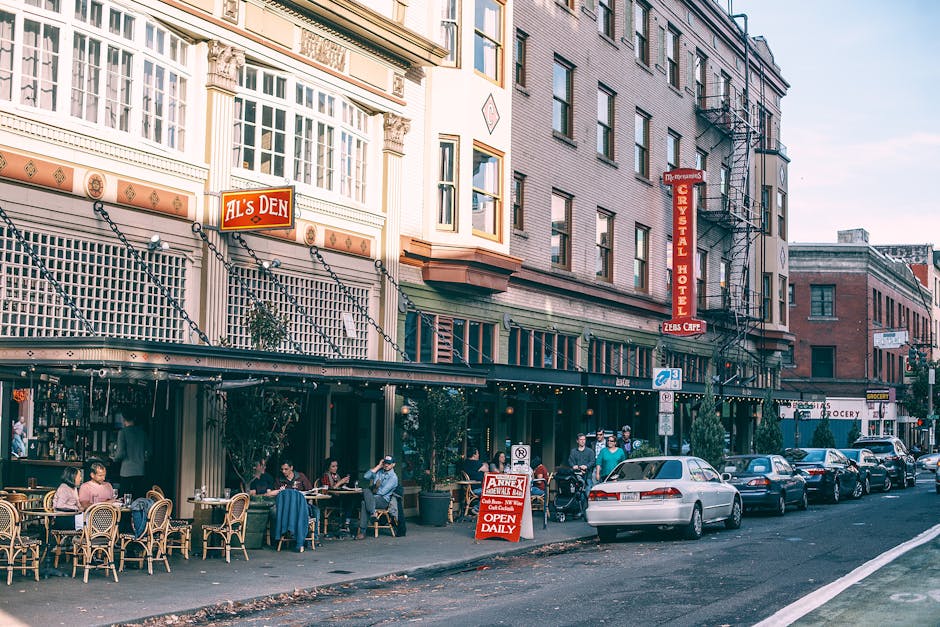
The Pearl has real walkability and plenty of restaurants and bars, many of them genuinely good rather than just existent. Powell's Books is an event unto itself if you're into that. The neighborhood has a mixed feel: young professionals, families, tourists, and some older Portland holdouts who've watched the rents climb and adapted. It's not edgy anymore, if it ever really was. That matters to some people. It's gentrified in the straightforward sense of the term—higher prices, lower character variation, more familiarity to someone from any US city.
You're paying $120-180 per night for a decent Airbnb, often more. The upside is that you genuinely don't need a car and can walk to most things. The downside is that it can feel a bit sterile, especially on quiet nights. Downtown proper can be cheaper—$80-130—but conditions vary block to block, and I wouldn't recommend staying there unless you've researched your specific location carefully. Some blocks are fine; others feel genuinely precarious after dark.
Alberta Arts District: Creative Energy, Real Neighborhood Feel
Northeast Portland, along Alberta Street, has been Portland's creative neighborhood for years—the place where artists moved when they got priced out of the Pearl, and where they're still getting priced out of now. But it hasn't entirely disappeared into itself yet. You can still find older buildings with cheap rents, Thai restaurants that have been there for fifteen years, and a genuine mix of people instead of a curated demographic.
The walkability is decent but uneven. You can walk Alberta itself for galleries, shops, and food—the first Friday of each month brings a full street fair that actually matters culturally rather than feeling like a marketing event. But to get beyond Alberta, you'll want a bike or the willingness to walk fifteen minutes to other neighborhoods. The neighborhood doesn't have the kind of dense retail that Hawthorne does; it's more intentional. You go to Alberta for a reason, not just to wander.
Nightly rates are $75-120, which reflects the neighborhood's real estate economics and lack of tourist infrastructure. It's quieter than Hawthorne, especially as you move away from the main strip. Safety feels fine—I've walked it late and never felt genuinely unsafe, though it reads differently than the Pearl or Hawthorne. It's a neighborhood that still works for people who live there, not primarily for visitors. If that appeals to you, Alberta is solid. If you need constant ambient activity, you'll find it sparse.

Sellwood: Neighborhood Without Trying
Sellwood, south of Hawthorne on the southeast side, is what happens when a neighborhood just lives its life without marketing. It has a central commercial strip around Main Street with coffee, bagels, a few good restaurants, and exactly the kind of local bar where the owner knows everyone. Real estate is gentrifying steadily, but it hasn't gentrified yet in the sense that everything still costs what it should.
The walkability is real and the neighborhood is genuinely pleasant to move through. It's not as dense as Hawthorne, so you're not walking past something interesting every fifteen feet, but you're also not in car-dependent hell. It's residential enough to feel like you're staying in an actual community, which some people want and others find boring. Safety at night is solid—good lighting, neighbors around, the kind of baseline stability that works.
You can find Airbnbs for $70-120, sometimes lower if you're flexible on exact location. The big trade-off is logistics. Getting to downtown or the Pearl requires a bus ride or a longer walk. Most restaurants and bars are clustered near Main Street; venture beyond that and you're in residential blocks. It's the best choice if you want to experience how Portland actually lives rather than Portland's idea of itself. The neighborhood is quieter by default—less nightlife, more coffee shops. That's either perfect or irrelevant depending on your trip.
Division and Southeast: The Emerging Zone
Division Street, running through southeast Portland, has become the neighborhood where younger people actually live now—or did before the rents started tracking with everywhere else. It's newer to the tourist circuit than Hawthorne or the Pearl, which means it still feels exploratory. The street itself has real restaurants, not just food carts pretending to be restaurants. The surrounding blocks have genuinely good coffee and bookstores and breweries that aren't trying hard.
Walkability is strong along Division itself, and the cross-streets are residential and tree-lined. It's far enough south that you get a different quality of light and air than you do downtown—still in the city, but with actual neighborhoods around you. Safety is fine. The neighborhood isn't particularly dangerous, and it also isn't pretending to be safer than it is. It's a normal place.
Nightly rates run $85-140, depending on how close you are to Division and the overall state of the listing. Unlike Hawthorne, it doesn't feel like a tourist destination, which is either relaxing or limiting depending on what you're after. You can walk to good food and coffee. You won't stumble into as many bars and events just by existing in the neighborhood. If you want to find things rather than have them presented to you, this works. If you want convenience, stick with Hawthorne or the Pearl.
What Actually Matters When You're Choosing
The honest thing about Portland neighborhoods is that they're all relatively small and accessible. You can be in a different area in twenty minutes by bus. This matters more than people realize when they're booking. You don't have to stay in the Pearl to have access to downtown. You don't have to stay in Hawthorne to eat well. The neighborhood you choose affects your daily walk and the bars near your bed, not your ability to move around the city.
Booking an Airbnb here isn't dramatically different from other cities—read reviews carefully, check how close the actual location is to the stated neighborhood, look at what's visible on the block in Google Street View. The usual precautions apply. What's different is that Portland has enough different neighborhood characters that you can actually choose what kind of trip you're taking. Do you want walkable energy? Hawthorne or Division. Quiet residential? Sellwood. Convenience above all else? Pearl District, and budget accordingly. Creative chaos? Alberta, with the understanding that you'll walk further for things.
The city reveals itself differently depending on where you've planted yourself. I've stayed in each of these and left with different impressions of Portland, all of them true. Pick the neighborhood that matches the trip you're actually taking, not the trip you think you should be taking.



