I arrived in Portland on a gray afternoon in October, the kind of rain that feels less like weather and more like the city's default state. My first instinct was to do what every visitor does: hit Powell's Books, walk the waterfront, catch a streetcar. But by day three, I was tired of elbowing through crowds and reading the same Instagram captions everyone else had already written.
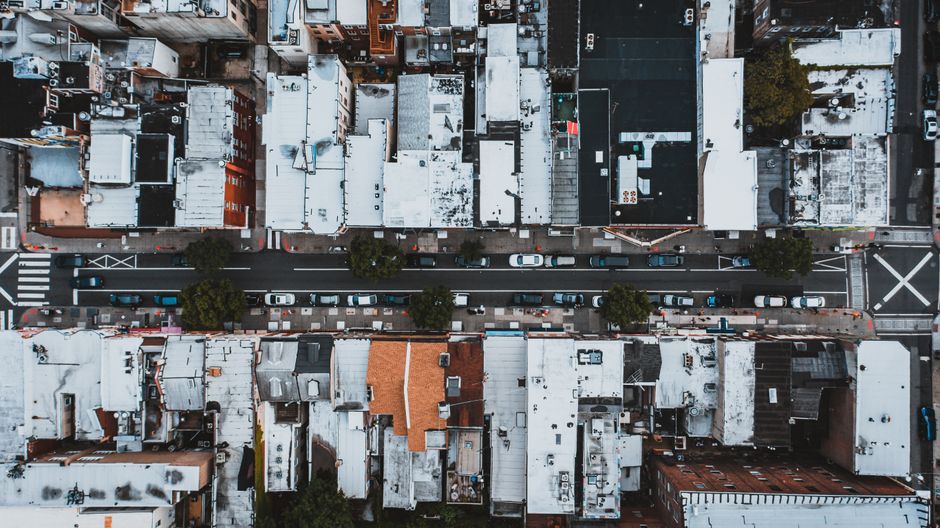
So I started wandering. Not aimlessly—Portland rewards a certain kind of intentional poking around. I'd take a random bus line, get off somewhere that looked interesting, and just walk. What I found was a city that barely resembles the postcard version. There's still plenty of downtown energy, sure, but the real texture of Portland lives in the neighborhoods and the overlooked parks, the small museums that don't make listicles, the shops where actual locals actually shop.
Hoyt Arboretum's Upper Trails
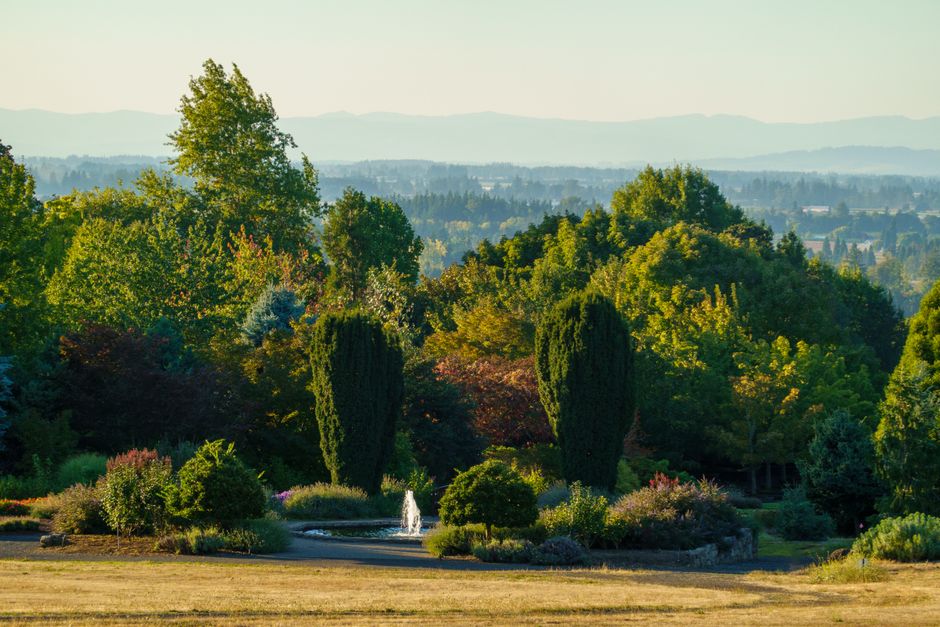
Everyone who goes to Portland goes to Washington Park. It's fine. It's green, it has the Japanese Garden, and yes, if you're into that sort of thing, it's worth an hour. But most people never venture into the Hoyt Arboretum section, which sits right on the edge of the park and climbs into actual quiet forest.
I started at the Hoyt entrance on SW Fairview Boulevard and took the Ridge Trail, which is less manicured than the main park paths—you're walking under real old-growth Douglas fir and hemlock, not specimen plantings. The trail system is well-marked if you grab a map, and on a weekday morning in October, I was almost alone. The views back toward the city are surprisingly good from the higher elevations, and there's something honest about it. This is what Portland's forest actually looks like, not a designed experience.
The whole thing takes maybe two hours if you're leisurely about it. Most people skip it entirely and head straight to the Rose Garden instead.
The Portland Art & Craft Museum
This place sits on NW Everett Street in Old Town, a few blocks from the Pearl District, and almost nobody I talked to had heard of it. It's small—you can do it in an hour—but the curation is genuinely thoughtful. They focus on contemporary craft, so it's not your typical municipal history museum.
When I visited, there was an exhibition on Northwest Native basketry that actually centered indigenous artists and their perspectives, not just the objects. The galleries are intimate, the lighting is good, and the gift shop has real things in it made by local craftspeople, not the repackaged nonsense you see everywhere else. It's the kind of place that feels like it exists for people who actually live here, not for tourists checking boxes.
Pittock Mansion and Its Overlooked Viewpoint
Most people know about Pittock Mansion—it's well-known enough that the parking lot gets crowded. But what they don't realize is that the mansion itself is less interesting than the trail system around it. The estate sits high on the West Hills, and there are a couple of routes that take you away from the manicured grounds.
I parked and walked the mansion, which is fine if you care about early-1900s Portland real-estate wealth, then headed uphill on the unmarked spur trail that branches off from the main path. It's steep and gets you above the tree line on the mansion side, with views south toward Mount Hood and west toward the Cascades. On a clear day—and I caught one—it's genuinely expansive. The view includes downtown Portland, but from a distance that makes it look like a real place instead of a destination.
The upside is you'll avoid the crowds at the mansion viewpoint. The downside is the steep climb back, but that's sort of the point.
Pastaworks and Real Neighborhood Shopping
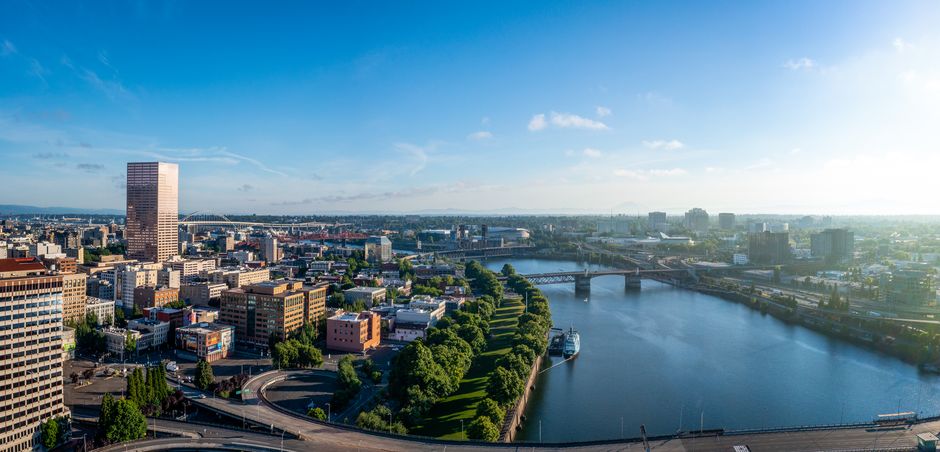
There's a food-hall trend in Portland like everywhere else, and they're all kind of similar. But Pastaworks, on SE 12th Avenue in Hawthorne, is the opposite of curated internet appeal. It's been there since 1985, and it functions as an actual neighborhood grocery and deli.
I went in looking for lunch and ended up staying longer than I expected. The sandwiches are made fresh, the Italian imports are legitimately sourced (not just what's profitable), and the whole operation feels uninterested in trend. You'll find locals doing actual shopping here, not posing. The staff knows what they're selling and will talk to you about it, which is rarer than it should be. It's crowded at lunch, but it's a different kind of crowded—busy but not designed to be an experience.
Elk Rock Island, Forest Park's Secret Edge
Forest Park runs for over 5,000 acres in the northwest of the city, and yes, it's well-known among Portland people. But Elk Rock Island isn't on most visitors' radar. It's a small forested peninsula that juts into the Willamette River, accessible via NW 29th Avenue in the St. Johns neighborhood.
There's a short trail that loops around it, maybe twenty minutes total, and it drops you down close enough to the water that you see the river working—logs moving, the current visible, occasional river traffic. The vantage is completely different from the waterfront downtown, which is all development and promenade. Here it's just forest and water and the actual industrial life of the river.
I walked it on a weekday morning and saw exactly two other people. The neighborhood around it is St. Johns, which has its own character—a bit rougher than the Pearl District, a mix of old warehouses and actual working businesses, some genuinely good food carts. It's the kind of place where you realize Portland isn't homogeneous, even if the tourism version pretends it is.

Springwater Corridor's South End
The Springwater Corridor Trail is famous, but most tourists only know the central downtown section where it's paved and pretty. The real trail extends south toward Milwaukie, through neighborhoods and industrial areas that don't photograph well.
I picked it up around SE Tacoma Street and followed it for a couple of miles south. It's gravel in places, narrow where it passes under bridges, and genuinely marginal in a way that downtown Portland isn't. You're passing small parks, old residential blocks, the backs of factories. It's not scenic in a postcard sense. But it shows you how a city actually works—how people move through space when they're not performing for Instagram.
There are places to stop—small cafes in neighborhoods like Sellwood—and the further you get from downtown, the more the trail feels like it belongs to the people who actually live there. That's exactly why it's worth walking.
Local Bookstores That Aren't Powell's
Powell's is enormous and you'll probably end up there. But for actual bookstore character, try Annie Bloom's Books in Multnomah Village or The Bookworm on NW 23rd Avenue. They're smaller, the staff actually reads, and they're organized in ways that make sense to humans instead than to algorithms.
Annie Bloom's has a particular focus on literary fiction and a used section that turns up interesting things. The Bookworm is more general but with a strong community presence. Both places feel like they exist because people wanted them to exist, not because a business model demanded it. You can spend time in them without feeling the weight of a machine designed to extract money.
In a city that's increasingly streamlined for efficiency, these spaces matter. They're where you find what you weren't looking for.