I landed in Raleigh on a Thursday evening expecting the usual sprawl of a mid-sized Southern capital. What I found instead was a city that's actually bothering to be interesting—tree-lined streets, independent restaurants that don't feel like they're trying too hard, and neighborhoods where you can walk to dinner without a car. The trick is knowing where to stay. Downtown is a given, but the real surprises are in the blocks around it, and the quieter pockets where locals actually live. I spent a week bouncing between three different neighborhoods, and I'll be honest: I kept finding reasons to extend my stay.
Downtown Raleigh: Walk Everything, Sleep Near the Buzz
Downtown is the obvious move if you want walkability and energy without leaving your block. Fayetteville Street is the spine of things—galleries, restaurants, bars, the farmer's market on weekends. The Moore Square and Martin Luther King Jr. Park areas are genuinely pleasant to wander, and you're never far from a coffee shop or somewhere to eat. An Airbnb here puts you within 10-15 minutes of most of what matters, on foot.
Nightlife is real but not overwhelming. You get live music venues, craft breweries like Lonerider and Raleigh Brewing, and a solid bar scene without it feeling like you've accidentally booked into a college town. Late-night food options exist—pizza joints, taco spots—so you're not stuck. Safety at night is fine in the main commercial blocks; I walked around at 11 p.m. without any sense of unease, though like most downtown areas, it gets quieter and more residential as you move toward the edges.
Nightly rates downtown typically run $100 to $180 for a decent one-bedroom, higher if you're being picky about finishes or views. It's not cheap, but you're paying for the absence of a car dependency and proximity to actual interesting things. If you hate driving, this is where you commit the money.
Glenwood South: The Neighborhood That Tries (and Mostly Succeeds)
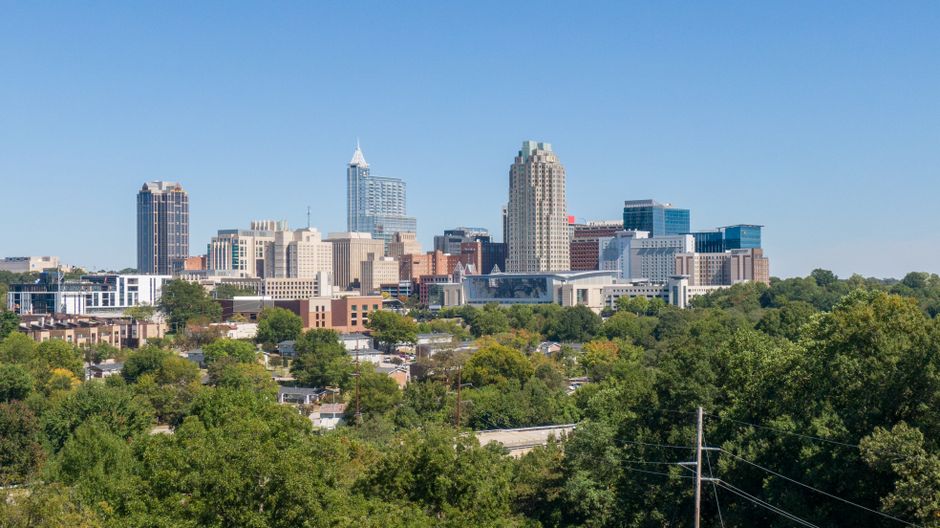
Two blocks south of downtown, Glenwood South is where Raleigh's restaurant and bar scene has concentrated over the last decade. It's the neighborhood equivalent of a place that's figured out it's cool and is cautiously doubling down on it. You've got Angkor Palace, Chamas Brazilian Steakhouse, Sardine, a rotating cast of coffee roasters—real variety, not a chain wasteland.
The vibe is young professional meets established neighborhood. There are old Victorian houses next to newer mixed-use buildings, which sounds like a mess but actually works. Walkability is excellent; the whole thing is compact enough to feel like a place, not a scattered district. Nightlife is moderate to lively depending on the night—you'll find a decent bar, but you're not going to feel like you're in a 24-hour party zone. That's probably a feature, not a bug.
Safety is solid. I saw police presence, which sounds ominous but actually indicates the city is paying attention. The area feels maintained and active even late at night. Nightly rates run roughly $90 to $160 for a one-bedroom or decent studio, which is slightly cheaper than downtown but closer to full-price. If you want walkability with a bit more neighborhood character and slightly less tourist density, this is a strong choice.
Warehouse District: Quieter but Still Walking Distance
North of downtown, the Warehouse District (or what locals sometimes call Fayetteville Street North or just the old warehouse area) is where the city is experimenting with conversion projects. It's not fully baked yet, which is actually its charm. You get quieter blocks, more space, and interesting old brick buildings that have been turned into lofts, artist studios, or just stayed as they were.
Walkability is present but less polished. Downtown is a 15-20 minute walk, so you can reach the main action, but you won't stumble into restaurants as easily. It's not a neighborhood you walk around at night for fun; you walk there with purpose. That said, it doesn't feel unsafe. It's just less animated. Safety isn't a concern—it's more that there's less foot traffic, so you're on emptier streets.
The real advantage here is cost and quiet. Nightly rates are typically $70 to $130, making it one of the more affordable pockets with actual character. This is where you go if you want to feel like you're staying in a real neighborhood rather than a tourist zone, and you're okay with a five-minute ride or 20-minute walk to the action. Work-from-Airbnb people often end up here.

Wade Avenue and Ridgetop: Residential North Raleigh
If you're someone who wants a actual quiet neighborhood experience—tree-lined streets, actual families and dogs, the absence of noise after 9 p.m.—the residential blocks north of downtown around Wade Avenue or Ridgetop are worth considering. This is where people live, not where tourists stay. You'll find yourself on tree-canopied streets with well-maintained houses, small parks, and the kind of pace that lets you actually think.
Walkability is low by any urban standard. You can walk to a coffee shop or park if there's one nearby, but you're probably driving or taking a car service to get to restaurants and bars. This is a trade-off you make consciously. The neighborhood doesn't have nightlife; it has quiet. Safety is high—these are stable, cared-for blocks where the biggest concern is someone's sprinkler system being too loud.
Rental rates are in the $70 to $120 range nightly, making it budget-friendly. You're sacrificing walkability and proximity to activity for genuine quiet and space. This works if you're staying longer than a long weekend, if you're working remotely, or if you've just come to Raleigh to rest. It's not the tourist Airbnb move, but it's the smart move if you actually want to live in Raleigh for a few weeks.
Obseratory: The Underrated Neighborhood West of Downtown
West of downtown, across I-40, the Observatory neighborhood (or Observer neighborhood, depending on who you ask) is residential with increasing energy. It's still mostly house-scale rather than high-rise, with a mix of older structures and newer construction. You're away from the buzz but close enough that it's not isolating.
Walkability exists but is uneven. There are pockets of restaurants and cafes clustering in, but you might walk six blocks without hitting anything, then find a good restaurant or coffee shop. It's less curated than Glenwood South. That's fine if you like discovery. Safety is fine—normal neighborhood safety. It's quiet at night without feeling abandoned.
Nightly rates are typically $80 to $140, reasonable for the location. You get the benefit of being west-of-downtown-adjacent (closer to some of the city's better restaurants and breweries in that direction) without the downtown premium. If you're staying for a week or more and want to feel somewhat planted without being fully cut off from things, this is worth a look.

Practical Notes Before You Book
A few things I learned the hard way: summer gets humid and hot, which affects how much you'll actually want to walk around. Pick a neighborhood based on what you'll use, not where you think you should be. If you plan to drive or use a car service, neighborhood choice matters less. If you're Ubering everywhere, you're just adding cost to cheaper neighborhoods, so stick downtown or Glenwood South.
Parking varies wildly. Downtown and Glenwood South have parking but it's tight or paid. The residential neighborhoods north of downtown often have free street parking or come with an off-street spot in your Airbnb. Check the listing carefully. Also, review both the Airbnb reviews and Google Maps of the specific block—micro-location matters more than neighborhood name. A bad block exists in good neighborhoods and vice versa.
Summer is peak season; spring and fall are better for walking and enjoying Raleigh. Weekdays are noticeably quieter downtown. If you're someone who hates crowds, show up Tuesday through Thursday. Weekends downtown get more energy and more tourists.