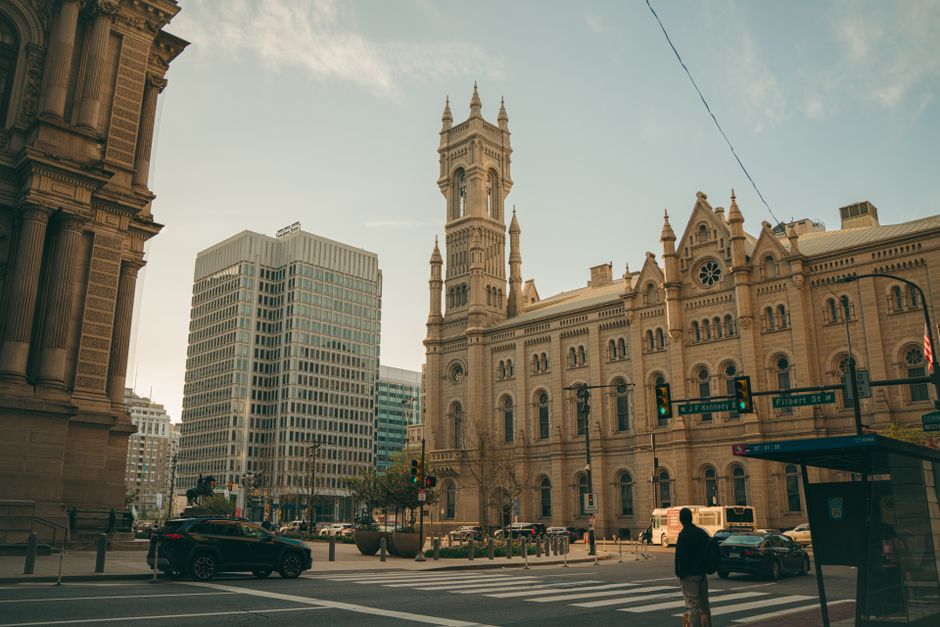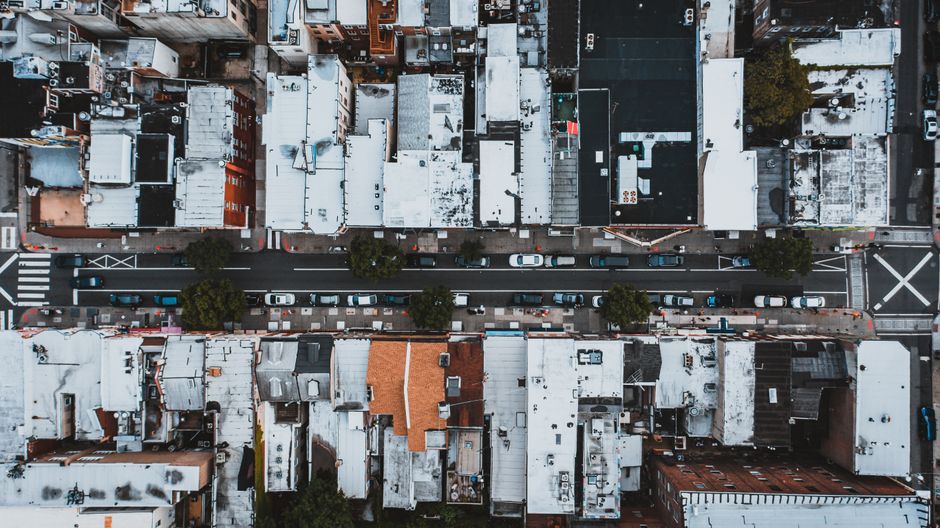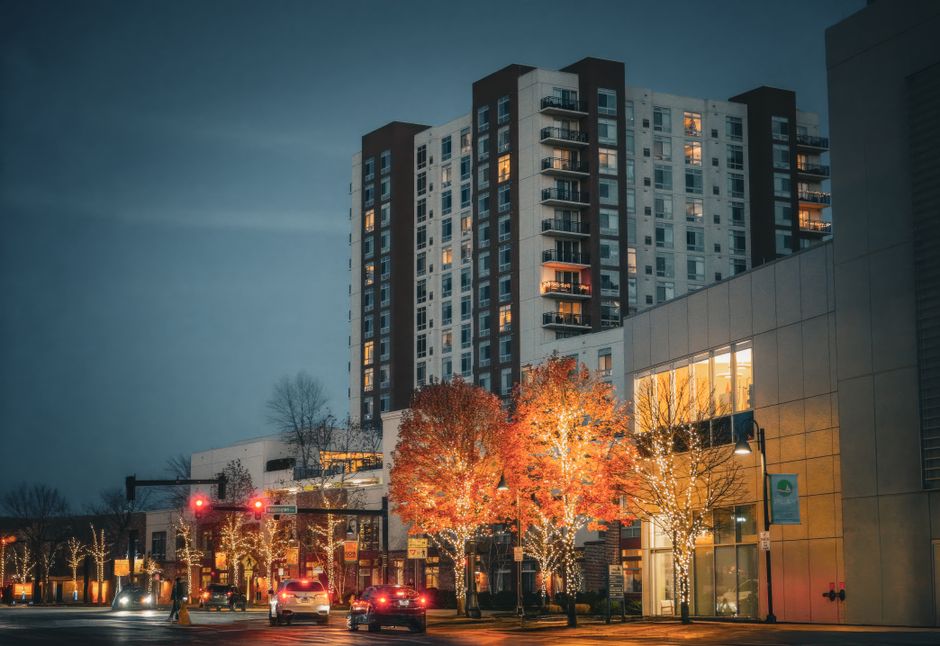
I landed in Richmond on a Thursday evening with the same vague plan I always have: find a good neighborhood, walk around, figure out where people actually eat and drink, and avoid looking like I'd never been to a city before. What struck me immediately was how vertical the place is—hills and history layered on top of each other, each neighborhood with its own personality. The James River cuts through everything like a spine. I spent three weeks bouncing between Airbnbs in different pockets of the city, and what I found was useful: Richmond isn't so large that you get lost in it, but it's big enough that choosing the wrong neighborhood can mean a lot of uphill walking or a quiet night when you wanted noise.
I'm not going to tell you Richmond is cheaper than it was five years ago—it isn't. But it's still more reasonable than most mid-sized cities on the East Coast, especially if you're willing to look beyond the immediate downtown core. The Airbnb market here reflects that. You'll find rooms ranging from $60 a night in quieter residential zones to $150-plus for the prime real estate. What matters is matching your neighborhood to what you actually want to do.
Jackson Ward: History, Bourbon, and the Sound of Live Music
Jackson Ward is where I'd tell a friend to start looking if they wanted to be in the actual middle of things. It's the historic Black neighborhood that's been gentrifying in fits and starts for the past decade, which means the bones are real but everything's still settling. Walk down Broad Street in the evening and you'll hit breweries, restaurants trying pretty hard, vintage shops, and more than a few empty storefronts—the texture of a neighborhood in transition.
The nightlife here is genuine. Venues like The Byrd and smaller clubs host live music most nights, and you'll see people actually from Richmond, not just tourists. The walking is straightforward; everything's on a grid. I felt safe enough walking back to my place at midnight, though I'm a reasonably aware traveler and I stuck to Broad and Clay. Prices run $80–$140 a night depending on the specific listing. Some Airbnbs are in converted 19th-century row houses—beautiful, characterful, occasionally a little eccentric with plumbing. Others are in newer buildings that feel like anywhere else.
The main drawback is noise, which some people want and some don't. If you're looking to sleep by 10 p.m., this isn't it. I'd estimate Thursday through Saturday nights have a genuine energy. Sunday through Wednesday quieter down significantly.
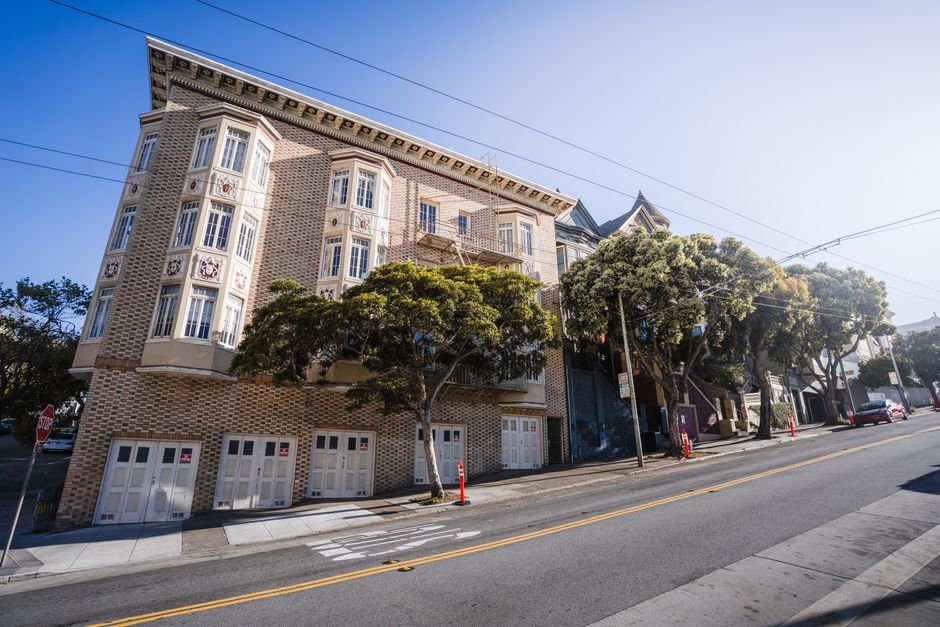
The Fan: Tree-Lined Streets and a Slightly Older Crowd
The Fan is where Richmond gets pretty. Tree-lined sidewalks, Victorian and Edwardian architecture that actually feels lived-in rather than museum-ified, and a walkability score that doesn't punish you. It's north of downtown, mostly residential, with pockets of restaurants and bars clustered around Main Street and West Main. The neighborhood got its name from the fan-like street pattern, which sounds like trivia but actually matters—it makes walking feel less grid-like and more organic.
This is where you stay if you want to be in Richmond but not of the nightlife. There's activity here, real neighborhood bars and a couple of solid restaurants, but nobody's trying too hard. Safety feels solid, especially in the core of the neighborhood. Fewer late-night disturbances than Jackson Ward. You'll run into students from VCU and older couples who've lived here forever. Prices typically run $90–$130 a night, and many listings are actual apartments in period buildings rather than shared houses.
The walk to downtown is hillier than it looks on a map—The Fan sits above the river. I'd recommend it if your trip involves daytime activities downtown but evening time in quieter bars. Late-night food options are thinner than they used to be, so plan accordingly.
Manchester: Industrial Converted Space and Younger Energy
Manchester is the neighborhood everyone points to when they talk about Richmond's "moment." Warehouse conversions, street art, galleries, younger crowd, all the stuff that makes a neighborhood feel like it's happening. It's just south of the river, accessible by the Manchester Bridge, and walkable once you're there—though getting there from other areas requires some intention.
The scene here skews toward people in their late twenties and thirties, arts crowd, restaurant industry people. The James River Arts Center and various galleries keep things culturally activated. Nightlife is more low-key than Jackson Ward but more intentional than The Fan—craft cocktails, pizza places, breweries. I stayed in a converted loft and it was atmospheric in ways that felt authentic rather than staged. Prices run $85–$150 a night depending on how recently the space was renovated.
The catch is that Manchester's still forming itself. Some blocks feel genuinely sketchy if you don't know where you're going. The neighborhood has pockets of real disinvestment next to shiny new developments. It's worth visiting and exploring, but maybe not the best choice for someone who wants to feel settled on day one. If you're willing to rough it slightly and explore, though, it's worth a look. Safety at night depends on where you are—stick to the main blocks if you're solo.

Carytown: Walkable Shops and Couple-Friendly Quietness
Carytown is west of downtown, a long strip of independent shops, restaurants, and bars along Cary Street. It's aggressively walkable—you can park once and spend an afternoon and evening moving between bookstores, vintage shops, cafes, and restaurants without getting in a car. It's the neighborhood that Richmond's young professionals move to once they're done with the nightlife scene.
The vibe is comfortable, almost small-town despite being inside the city. The restaurant scene is solid—nothing fancy, but good neighborhood places. Bars exist but they're not the main event. It feels safe to walk around at night, though it's quieter than Jackson Ward. I'd estimate $90–$140 a night for Airbnbs, though prices spike slightly during peak travel season.
The downside is obvious: if you came to Richmond for nightlife, this isn't it. There's a reason it's popular with couples and established professionals. The neighborhood is sort of set in its ways. And depending on your Airbnb's exact location, you might still need a car or rideshare to get downtown. But if you want a genuine neighborhood feeling where people live actual lives, it's there.
Downtown: Expensive, Convenient, and Harder to Judge
I'm including downtown mainly to say: prices here are $120–$200 a night, and you're paying for proximity to restaurants, museums, and the river walk. The neighborhood itself is less of a neighborhood and more of a collection of hotels, restaurants, and business-district sidewalks. I found it harder to get the sense of actual Richmond life down here. You'll be comfortable, you'll be walking distance from things, but you'll also feel more like a tourist than elsewhere.
If your trip is short and you want everything walkable, downtown works. Just know what you're trading.

Before You Book
Richmond's small enough that you can move between neighborhoods relatively easily, so don't stress too much about choosing wrong. My advice: if you want to actually experience Richmond, go neighborhood first—decide what kind of experience you want (quiet and walkable, or vibrant and noisy), then pick accordingly. Use Street View before booking. Look at multiple photos of the walk between the Airbnb and the street, because Richmond has hills and what looks like a short walk might be steeper than it looks online.
Check when you're visiting. Summer brings festivals and brings crowds. Fall and spring are genuinely pleasant. Winter is short but can be gray. And finally—and this is something I've learned the hard way—read reviews that mention specific things (the host responded at midnight, the upstairs neighbor has a dog) rather than just overall ratings. Those details matter more than a five-star average.