I pulled up to Salt Lake City on a cold March evening, rental car already returned, rolling my bag down Main Street and trying to figure out which neighborhood wouldn't require me to Uber everywhere. That's the thing about SLC—it's spread out in a way that surprises people coming from denser cities. You can't just pick any random Airbnb and assume you'll be able to walk to dinner. The good neighborhoods exist, though. They're just worth knowing about ahead of time.
I spent two weeks moving between different spots, testing walkability at different times of day, checking out what the actual nightlife situation looked like, and tallying what I was actually spending. What follows isn't a polished ranking. It's honest feedback about the places that made sense for me as someone who didn't rent a car.
Downtown—If You Want Everything in One Neighborhood
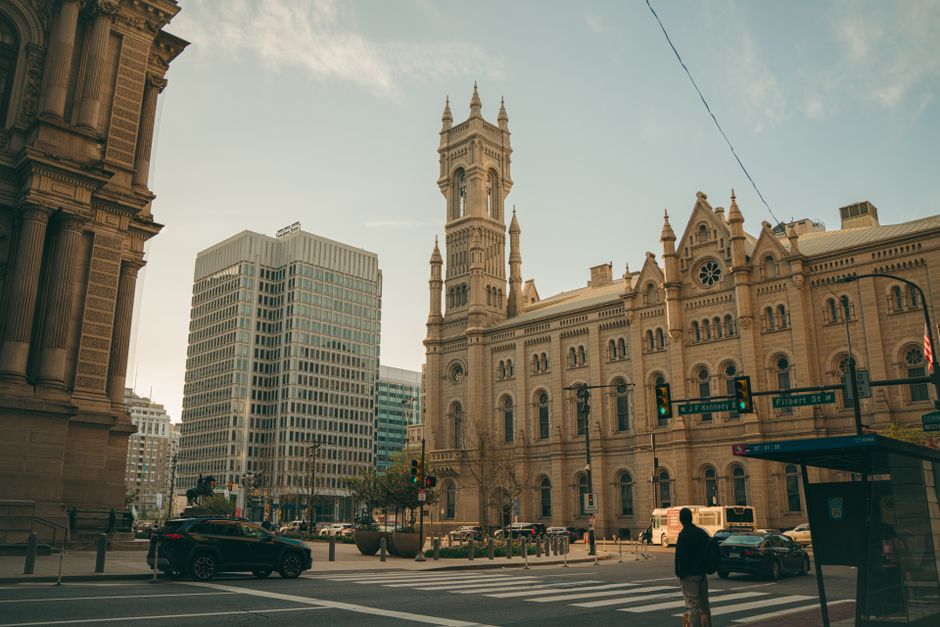
Downtown Salt Lake City is the obvious choice, and honestly, that's often for good reason. Main Street has been genuinely revitalized over the past five years. There are restaurants that matter—City Dining and Copper Common aren't jokes—plus galleries, bookstores, and enough bars that you can actually walk between them without planning. The Capitol Theatre and other live music venues are here. In the evenings, it doesn't feel empty the way some downtown cores do.
You're paying for the convenience. Nightly rates for a decent one-bedroom typically run $140 to $250, depending on season and exact location. Weekends tick higher. The area immediately around Temple Square gets tourist-heavy during the day, but that doesn't really affect the neighborhood's actual livability. After 9 p.m., Main Street is quiet but not sketchy. I walked back from bars at midnight without feeling unsafe, though like any downtown, common sense applies.
The real limitation is the view. If you want mountain scenery or that "neighborhood" feel, downtown feels more like a business district that happens to have residents. It's utilitarian. But if you're here to see things and go out, it works.
Avenues—Walkability and an Actually Neighborhood Vibe
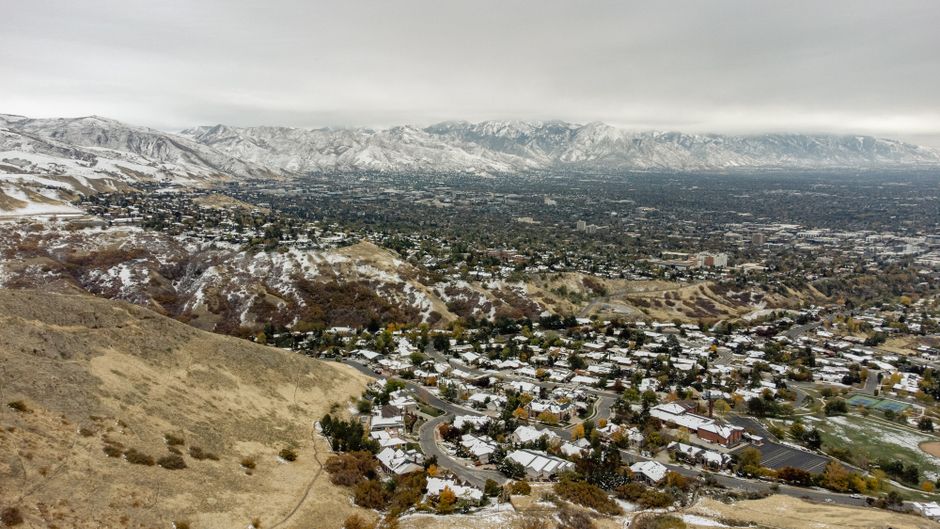
The Avenues, just east of downtown, is where Salt Lake City's older money lives. Tree-lined streets, bigger older homes converted partly to rentals, decent grades on the hills. What matters for a short-term stay: it's walkable enough. There's a small commercial strip along B Street with a couple coffee shops, a used bookstore, a few restaurants. Nothing fancy. But you can grab breakfast without a car, and you can walk to downtown in about 20 minutes if you don't mind the hill heading back.
Nightlife here is essentially nonexistent, which is either perfect or a deal-breaker depending on what you want. I stayed in an Airbnb on one of the side streets and fell asleep to quiet. That was the point. Pricing skews slightly cheaper than downtown—$120 to $200 per night for a one-bedroom—partly because there's less constant demand and partly because you're not paying for location premium. Safety at night is solid. The neighborhood is residential enough that cars are infrequent late evening, and I didn't once feel uncomfortable.
The downside: if you want to actually go out most nights, you'll be heading downtown, which means planning ahead or taking a rideshare. It's a neighborhood for people who are here to work, spend time outside, or visit friends. If that's you, it's genuinely nice. If you need to be where things are happening, it's too quiet.
Sugar House—Young, Walkable, Actual Bars and Coffee
Sugar House is the neighborhood where young people actually choose to live, not because they're priced out of downtown, but because they want to be there. It's south of downtown, centered roughly around 2100 South Street, and it has the most legitimate neighborhood feeling of any place in the city I checked.
Walkability is real here. There's a concentration of coffee shops, used bookstores, vintage clothing places, and actual neighborhood bars. Publik Coffee is solid. Twisted Fork Cafe has lines. There are restaurants you'd actually plan a meal around—Not a Chef and TheChubbyPea both have local reputations. On Friday and Saturday nights, the neighborhood has genuine energy without feeling touristy. You can walk between bars, and the crowd is younger and less buttoned-up than downtown. I spent a Saturday night here and actually understood why people who don't have to be downtown choose to stay.
Nightly rates typically run $130 to $220 for a one-bedroom, so you're paying slightly less than downtown for more personality. The catch is that neighborhood demand is competitive, so availability can be patchy. Safety-wise, it's fine at night. I walked back from bars at 11 p.m. on a weekend without issue, though like any neighborhood with younger crowds and bars, you're more likely to encounter drunk people on the street than in the Avenues.
This is my genuine recommendation if you want a neighborhood feel but don't want to completely cut yourself off from going out.
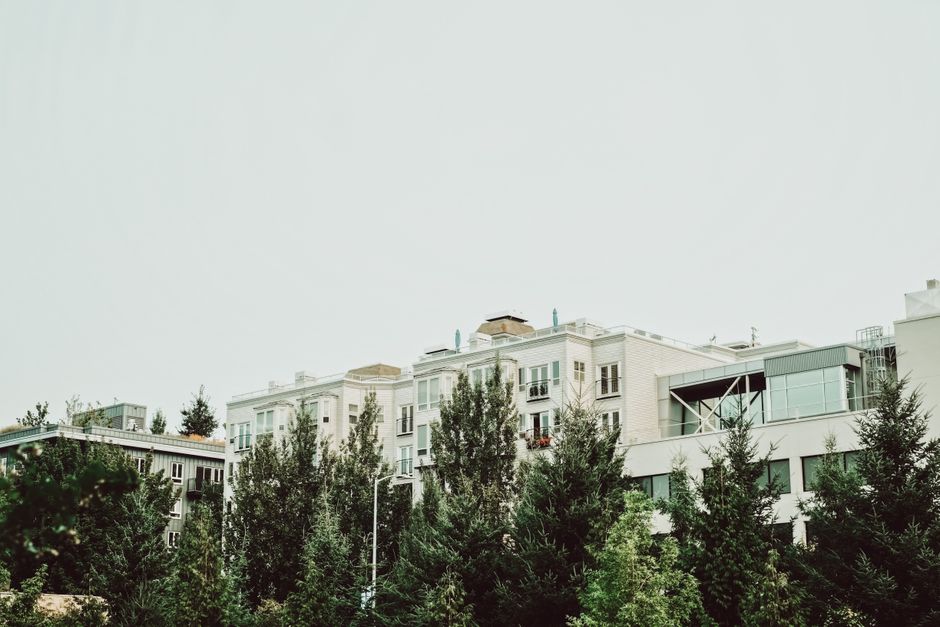
Marmalade District—Trendy, Affordable, Still Figuring Itself Out
Marmalade, west of downtown, is experiencing that in-between moment where it's becoming a neighborhood but hasn't quite finished the transformation. It's cheaper than downtown or Sugar House—$110 to $170 per night for a decent place—and it's walkable enough if you don't mind occasional blocks without much happening.
There are genuine businesses here now: New Yorker Coffee, Wild Wheat Bakery, a couple of small restaurants and shops. More keep opening. It has that frontier feeling of a neighborhood that knows it's changing. That's either appealing or not depending on your tolerance for construction and inconsistency. Some blocks feel fully established; others still have empty storefronts.
The neighborhood is safe at night, though it's less traveled than downtown or Sugar House, so you'll see fewer people walking around late. That doesn't mean unsafe—just quieter. It's honest: you're getting cheaper rent in exchange for less established walkability and fewer nightlife options. If you're working remotely and want a quiet, affordable base with interesting potential, it works. If you want guaranteed good restaurants and bars within a five-minute walk, you're probably better off in Sugar House or downtown.
What to Actually Watch For When Booking
A few practical things I learned moving between spots: parking is free almost everywhere in Salt Lake, which is great if you rent a car but irrelevant if you don't. Most neighborhoods are genuinely safe, but like any city, context matters. A block in downtown can feel different at 3 p.m. versus midnight. I never felt genuinely unsafe anywhere I stayed, but I also wasn't wandering around at 3 a.m. looking for trouble.
Walkability descriptions on Airbnb listings are routinely exaggerated. Hosts will claim walkability to things that are technically within walking distance but require a 20-minute uphill trek. Look at the actual address, pull it up on Google Maps, and check what's actually within 10 minutes on foot. Don't trust the narrative; trust the geography.
Also: Salt Lake City is at 4,200 feet elevation. It's not death if you're coming from sea level, but your first day will feel off. Don't panic. Drink water. It passes.

Finding Your Neighborhood Match
Salt Lake City doesn't have one best neighborhood for short-term stays because different people want different things. Downtown works if you want walkability and nightlife and don't mind a transient feeling. Sugar House works if you want neighborhood character and don't mind a slightly tighter selection of restaurants and bars. The Avenues works if quiet matters more than happening things. Marmalade works if you want cheap and don't mind accepting some rough edges.
My advice: be honest about what you actually do when you travel. If you want to go out multiple nights, Sugar House or downtown. If you're here for one specific thing—work, a friend, a festival—and you mostly stay put, the Avenues or Marmalade. None of these neighborhoods will disappoint you if you choose according to what actually matters to you, not according to some ranked list that pretends everyone wants the same thing.