
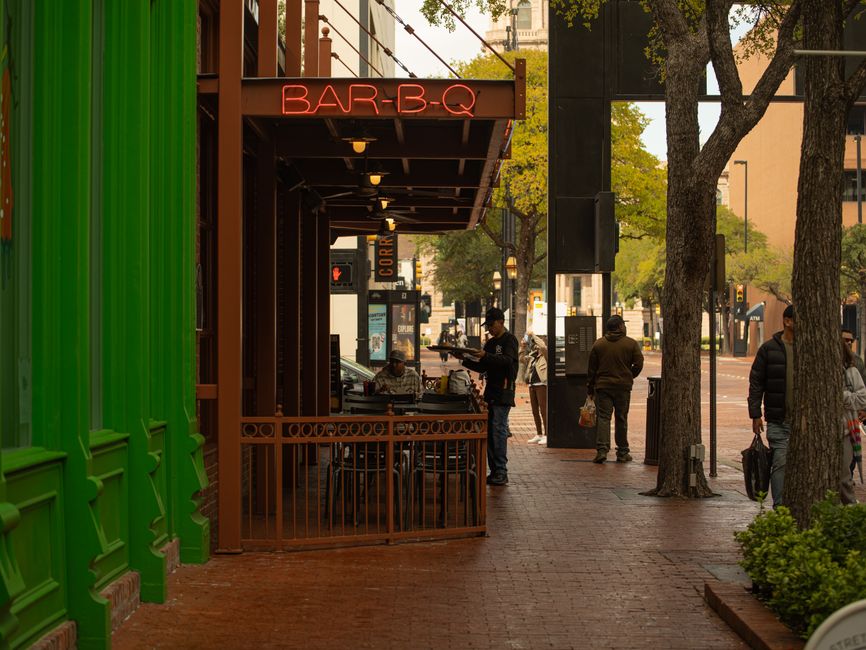
I landed at the airport on a Thursday without much of a plan, which is how I prefer it. San Antonio's one of those cities that feels instantly livable—you can tell within an hour whether a neighborhood's got oxygen or just air conditioning and chain restaurants. After eight years of solo travel writing, I've learned that where you stay in a city matters more than the list of attractions you check off. So I spent a week moving between five different neighborhoods, eating breakfast in different spots each morning, and walking around after sunset to get a real feel for what's actually worth booking.
The River Walk gets all the attention—and yeah, it's photogenic if you like crowds and margaritas served in neon-lit venues. But there's real San Antonio if you know where to look. These neighborhoods are where locals live and where an Airbnb doesn't feel like a tourist warehouse.
Southtown: Art, tacos, and genuine locals
Southtown's roughly a 15-minute drive south from downtown, anchored by South Alamo Street. This is where the city's arts scene actually breathes. You'll find galleries, murals that don't look like they were commissioned for Instagram, vintage shops, and some of the best tacos I've had in Texas. The neighborhood's genuinely mixed—young artists, long-time residents, young families. It doesn't have the forced charm of some overdeveloped areas.
Walkability is solid along South Alamo itself, especially near Pearl Brewery (more on that in a moment). Late at night? It's quieter than downtown, but you won't feel unsafe on a well-lit street. The vibe is more beer-and-conversation than late-night club circuit. Nightly rates tend to run $85–$130 for a one-bedroom that doesn't feel like someone's flipped an apartment for pure rental income. You actually get neighborhood character for that price.
Pearl Brewery District: Where money and tastefulness intersect
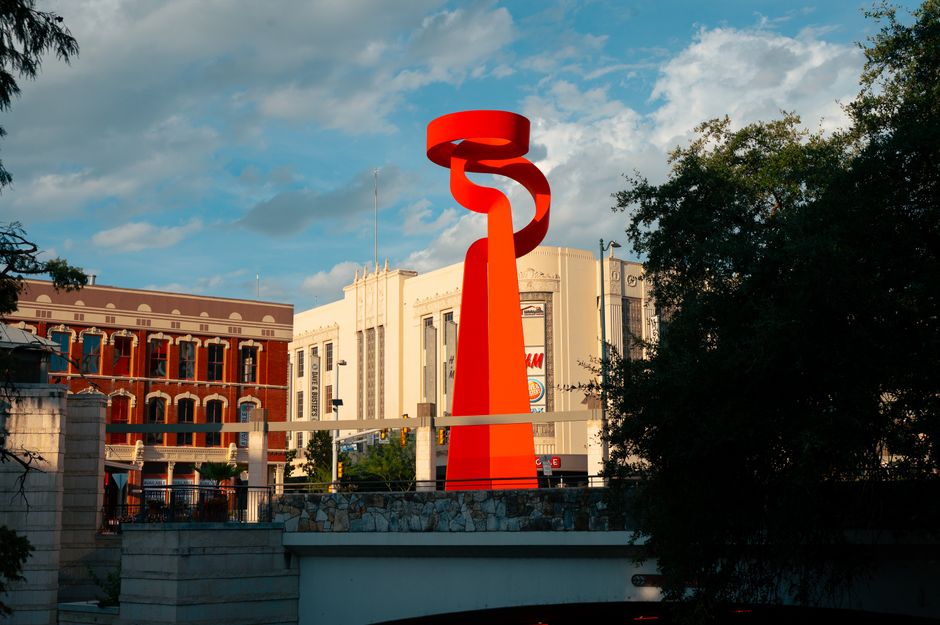
Pearl Brewery itself is a converted brewery complex just north of downtown—upscale restaurants, weekend crowds, and the kind of pedestrian appeal that draws both tourists and the people who moved here five years ago with decent salaries. If you want walkability without sacrificing aesthetics, this works. You can get dinner, get a drink, walk to a second location without a car.
The neighborhood extends beyond the brewery complex into residential blocks with actual shade trees and older homes being renovated at a measured pace. Nighttime feels safe because there's activity and decent lighting, though it's not a bar-crawl destination—it's more date-night energy. The trade-off: prices. Expect $140–$200 per night for something decent. You're paying for proximity to restaurants and the general absence of sketchy feeling. Worth it if you're here for a long weekend and want convenience without camping at the River Walk.
River North: Walkable, developed, for people who actually like neighborhoods
River North (locals sometimes call it Midtown, which can be confusing) sits north of downtown, bounded roughly by North St. Mary's Street and centered around neighborhoods like Mahncke Park. This is where San Antonio's young professional class actually lives, not where they go on vacation. You get restaurants that have been open for three years because they're good, not because they're adjacent to a tourist attraction. Walkability is genuine—you can get to coffee, get groceries, go out for a drink without planning logistics.
The safety question: it's fine on foot at night on main drags and well-populated blocks. Like anywhere, you're using basic city sense. There's a neighborhood bar culture here rather than a strip-club-and-dueling-pianos vibe. Airbnbs run $95–$155 per night typically. You're getting less touristic density, which means you're actually in San Antonio rather than in San Antonio's waiting room.
Southside: Quieter, less polished, more affordable
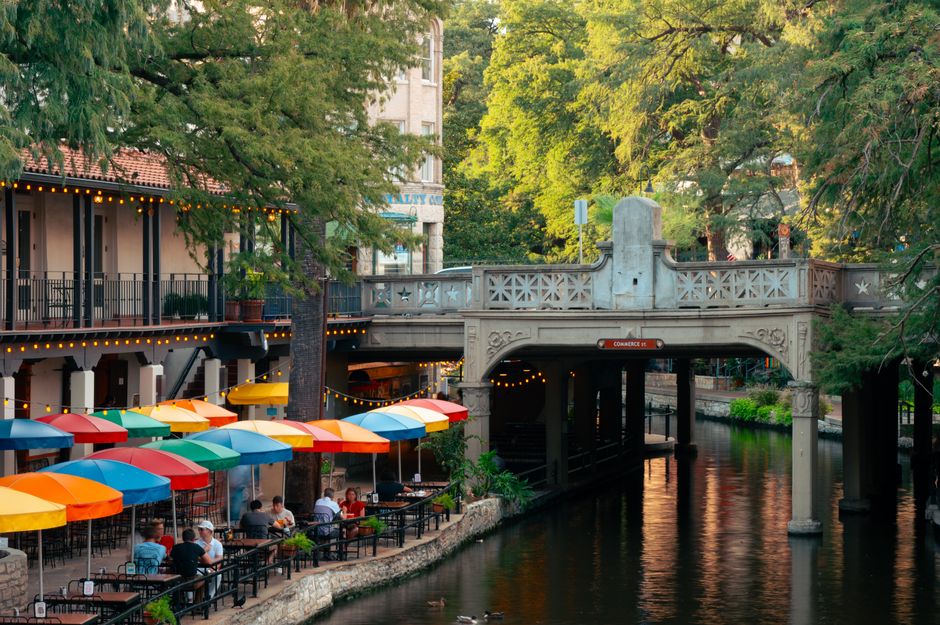
The Southside sprawls—it's not a single tight neighborhood but rather a broad area south of downtown where you get a different slice of the city. It's less walkable than the options above, more residential and car-dependent. That's not a flaw if you want quiet; it's context.
Safety-wise, use the same judgment you'd use anywhere. The area's improving and gentrifying in patches, but it still feels like a neighborhood rather than a development. Nightlife? Minimal. That's the appeal if you're here to work remote, recover from somewhere else, or want to explore the city by car and return to calm. Prices reflect the position: $70–$110 per night for solid, unremarkable apartments in residential blocks. You're not paying for character; you're paying for quiet and space.
The King William Historic District: Beautiful but buyer beware
King William sits just south of the River Walk and is technically the city's oldest residential neighborhood—restored Victorian and early 20th-century homes, tree-lined streets, legitimate beauty. The walkability is there, and aesthetically it punches above weight. But here's the honest part: it's mostly being rented out by people who've invested heavily in restoring homes as Airbnb properties. That doesn't make it bad, but it means you're in a neighborhood designed for transients rather than inhabited by people with roots.
Nighttime is safe in the sense that it's quiet and well-kept, but there's less natural activity and eyes-on-the-street than a neighborhood with actual residents. Nightly rates run $120–$180. You're paying for the aesthetics and proximity to downtown. If you want a beautiful, hassle-free base and don't mind that the neighborhood vibe is partly theatrical, it works fine.

How to actually book and what to check
When you're looking at Airbnb listings in these areas, don't just check the star rating. Read the host reviews for specific complaints about noise, parking, or neighbor issues. Photos lie about natural light and space proportions. Maps is your friend—open it, look at the street view, walk the block in your imagination before you book.
Ask about parking before booking if you plan to rent a car. Some neighborhoods have street parking that works fine; others, you'll want a garage or lot. Check whether utilities are included in the quoted rate—that $85 room can become $105 once cleaning and service fees hit. Most importantly, look at the host's response rate and whether they actually answer questions. A slightly more expensive listing with a responsive host beats a deal with someone who's running twelve properties and checking email quarterly.
The real version of San Antonio
San Antonio's biggest asset isn't any single neighborhood—it's that the city hasn't completely flattened itself into a monoculture yet. You can still find blocks where what you see is actually what locals made, not what marketing consultants designed. Southtown and River North feel most like real neighborhoods where people chose to live because they like the place, not because a real estate app recommended it.
Fill your days however you want. Take a day trip to Brackenridge Park. Eat breakfast tacos from a taqueria where the line's 20 people deep and nobody's speaking English. Walk the River Walk once because you should, then go back to your neighborhood and never go back. That's when you understand the city.


